
Bury a Teaspoon of Cinnamon to Stop Seedling Fungus in Its Tracks
If you’ve ever seen your delicate young seedlings suddenly fall over and wither, you’ve likely encountered "damping off," a common fungal issue. Instead of buying expensive chemical fungicides, reach for the cinnamon in your spice rack. This kitchen staple reportedly has natural antifungal properties that protect vulnerable stems. Simply sprinkle a light dusting of ground cinnamon over the soil surface around your sprouts. It is allegedly one of the most effective ways to keep your indoor starts healthy and strong.
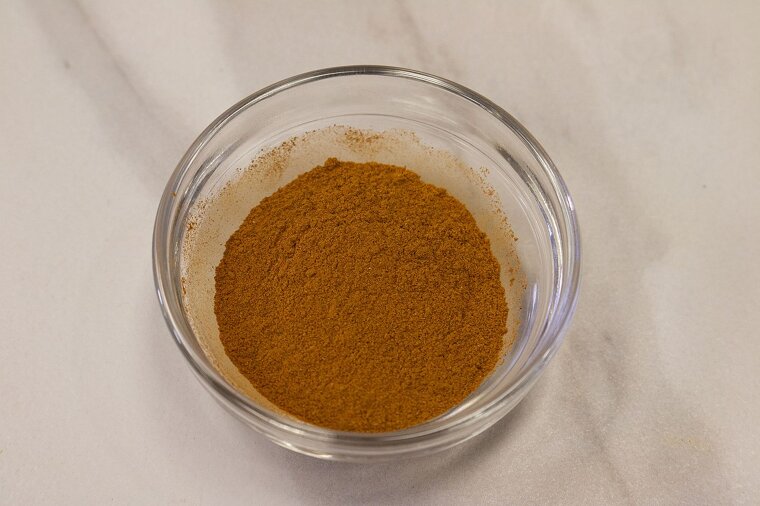
And, not to mention, it makes your potting shed or windowsill smell absolutely delightful while it works.
Pour Your Leftover Cooking Water on Your Roses for a Mineral Boost
The next time you boil pasta, potatoes, or even hard-boiled eggs, don’t let that nutrient-rich water vanish down the drain. As these foods cook, they release vitamins and minerals—like starch and calcium—into the water. Once the liquid has cooled completely to room temperature, use it to water your garden or potted roses. This reportedly acts as a mild, liquid fertilizer that helps promote lush foliage and stronger stems.
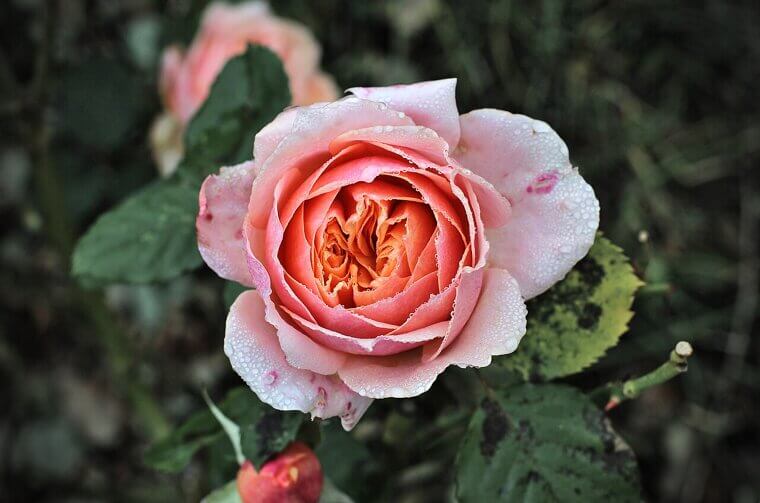
It’s a frugal way to feed your plants with "liquid gold" that most people consider waste, and it’s completely free.
Use a Dash of Cayenne Pepper to Ward Off Unwanted Garden Critters
If squirrels or stray cats are treats your flower beds like their personal playground, a little heat from the pantry can go a long way. Capsaicin, the compound that makes cayenne pepper spicy, is highly irritating to the sensitive paws and noses of small mammals. Sprinkle a perimeter of the red powder around your most prized plants or mix it into a spray with water and a drop of dish soap.
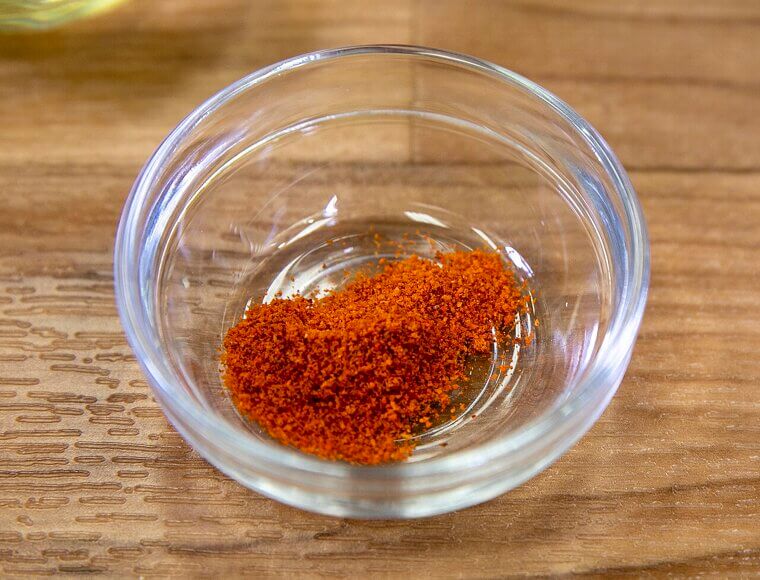
This non-toxic deterrent allegedly keeps the local wildlife at bay without causing them any permanent harm, ensuring your tulips actually get a chance to bloom.
Give Your Acid-Loving Plants a Caffeine Kick With Leftover Cold Tea
Ferns, gardenias, and even African violets often struggle when the soil becomes too alkaline. If you have half a pot of black tea left over from breakfast, don’t toss it. Once cooled, use it to water your acid-loving houseplants or garden shrubs. The tannic acid in the tea reportedly lowers the pH level of the soil just enough to keep these finicky plants happy and vibrant.

Additionally, the tea leaves themselves can be tucked into the top inch of soil to provide a slow-release source of nitrogen, which helps leaves stay deep green.
Mist Your Wilted Lettuce With Sugar Water to Revive Its Spirit
It sounds like a tall tale, but sugar can actually act as a quick energy boost for plants that have been stressed by heat or transplanting. If your garden greens are looking a bit limp after a long afternoon in the sun, try mixing a tablespoon of sugar into a gallon of water. Use this solution to give the base of the plants a good soak. This reportedly helps the plant’s root system absorb water more efficiently by adjusting the osmotic pressure.
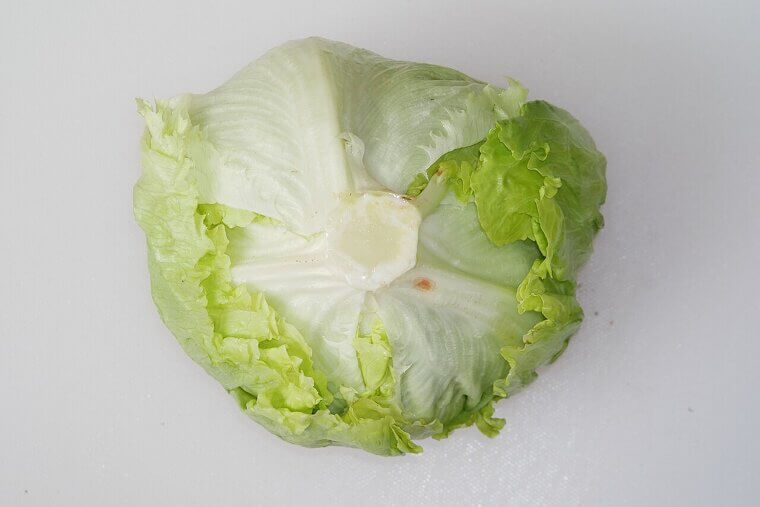
It is a secret trick used by some competitive gardeners to keep their show plants looking perky.
Use White Vinegar to Kill Stubborn Weeds Growing in Your Driveway
You don’t need harsh industrial weed killers to clear out the cracks in your sidewalk or patio. Standard white vinegar from the pantry is a natural herbicide that can desiccate unwanted plants on contact. For the best results, wait for a sunny day and spray the vinegar directly onto the leaves of the weeds. The acetic acid allegedly draws the moisture out of the plant, causing it to wither and die within twenty-four hours.
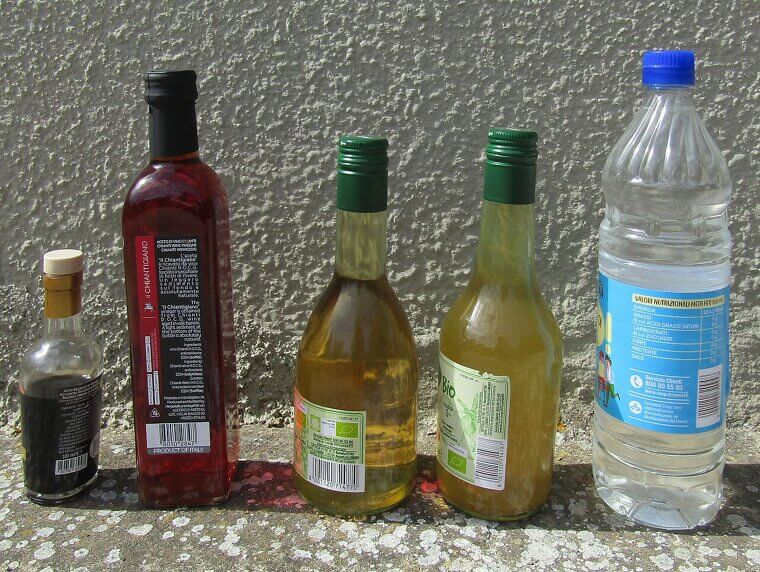
Just be careful not to spray it on your flowers, as vinegar doesn’t distinguish between a weed and a prize-winning petunia.
Turn Old Molasses Into a Feast for Your Beneficial Soil Microbes
Healthy soil is alive with tiny, beneficial bacteria and fungi, and just like us, they love a sugary treat. Molasses is packed with carbon, sulfur, and potash, which act as a superfood for these microbes. Mix two tablespoons of unsulphured molasses into a gallon of water and apply it to your garden beds once a month. This reportedly encourages the "good" bugs in the soil to multiply, which leads to better nutrient uptake and healthier plants overall.
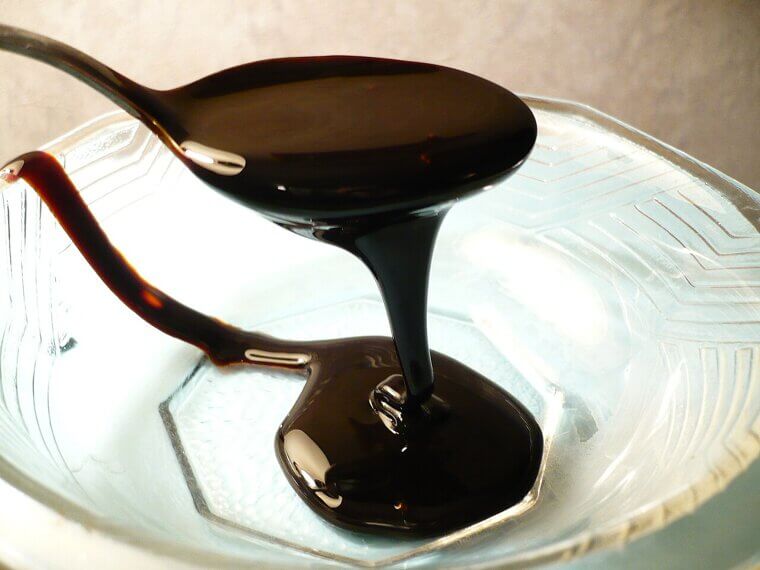
It’s a classic organic farming secret that transforms plain dirt into a thriving, nutrient-dense ecosystem.
Sprinkle Baking Soda on the Soil to Make Your Tomatoes Taste Sweeter
If your homegrown tomatoes are a bit too tart for your liking, the solution might be sitting in your baking cabinet. Baking soda is alkaline, and when sprinkled lightly on the soil surface around the base of your tomato plants, it reportedly helps lower the acidity of the fruit itself. As the plant absorbs the baking soda from the ground, the resulting tomatoes allegedly develop a much sweeter, milder flavor profile.
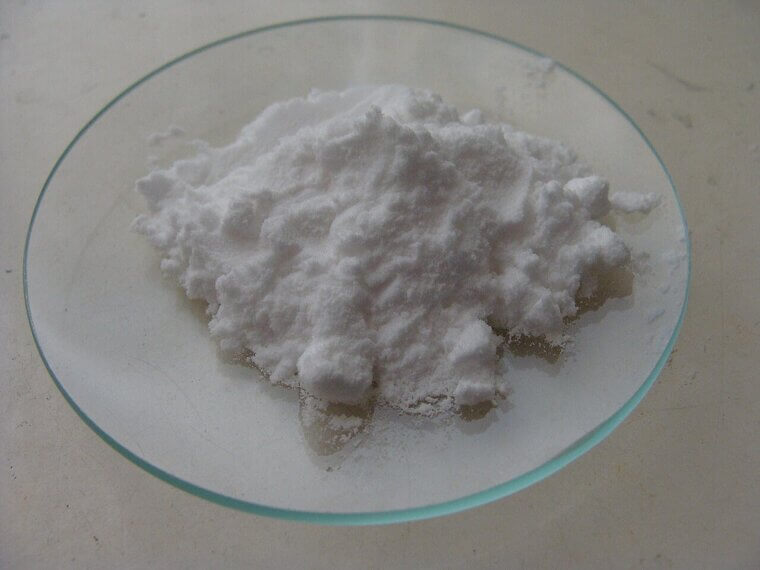
Be careful not to overdo it; a small dusting every few weeks is all you need to achieve that perfect, vine-ripened sweetness.
Create a Protective Barrier Against Slugs Using Coarse Cornmeal
Slugs and snails can decimate a vegetable patch overnight, but they have a fatal attraction to cornmeal. Place a few small piles of dry cornmeal in jars turned on their sides near your hostas or lettuce. The pests are reportedly drawn to the scent and will gorge themselves on the grains. Because they cannot properly digest the cornmeal, it allegedly expands in their stomachs and eliminates them.
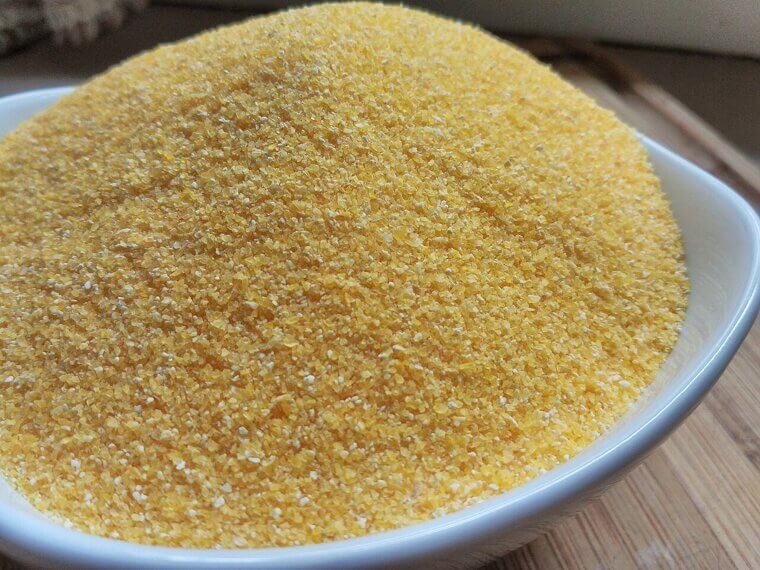
It is a much safer alternative to chemical slug pellets, especially if you have pets or grandchildren playing in the yard who might accidentally encounter the garden.
Use Plain Unflavored Gelatin to Provide a Slow-Release Nitrogen Source
Nitrogen is the primary nutrient responsible for leaf growth, and plain gelatin is surprisingly high in it. If your houseplants are looking a bit pale and spindly, you can dissolve a packet of unflavored gelatin in hot water, then dilute it with several cups of cold water. Use this mixture to water your plants once a month. The gelatin reportedly breaks down slowly in the soil.
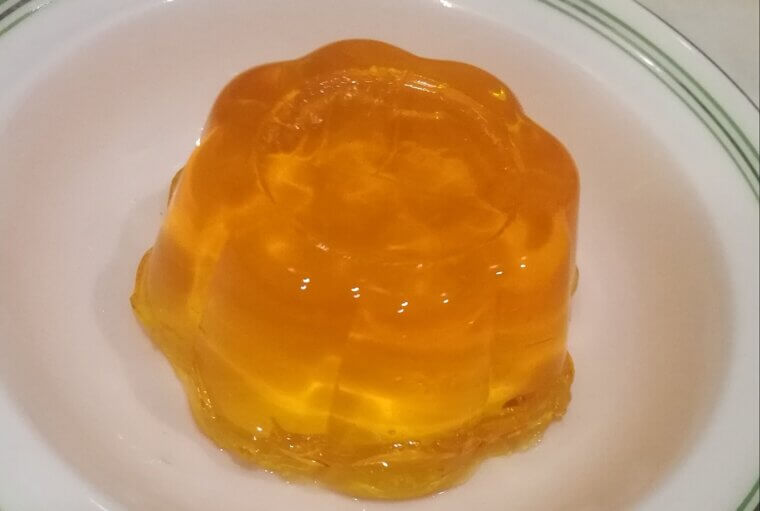
It provides a steady, gentle stream of nitrogen that won't "burn" the roots like some synthetic fertilizers can. It is an affordable way to keep your indoor jungle looking professional.
Repel Annoying Aphids With a Spray Made From Garlic Scraps
Those tiny green bugs that cluster on the stems of your roses are no match for the pungent power of garlic. If you have garlic cloves that have started to sprout or just the skins and ends left over from dinner, boil them in water to create a "tea." Once strained and cooled, spray the liquid onto any infested plants. The sulfur compounds in the garlic allegedly act as a natural repellent.
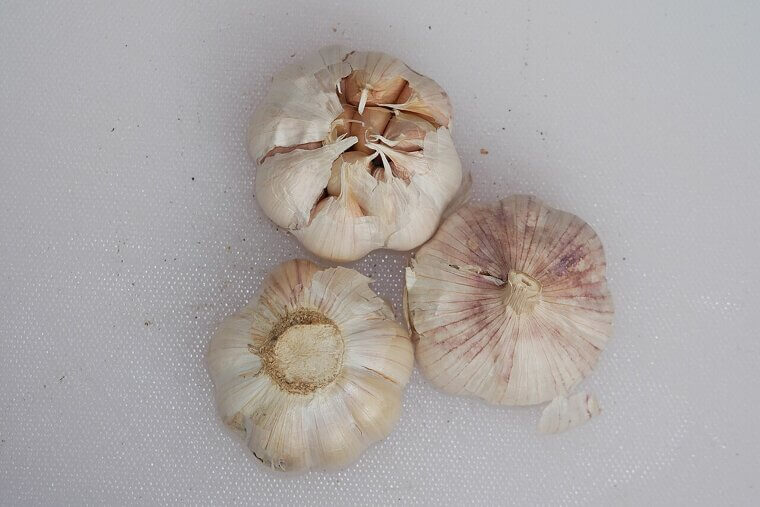
It drives aphids away without harming beneficial insects like bees. It’s a smelly but highly effective way to keep your garden pest-free naturally.
Polish Your Houseplant Leaves With a Drop of Leftover Mayonnaise
Dusty leaves don't just look bad; they can't photosynthesize properly, which stunts the plant’s growth. To give your large-leafed plants like Monsteras or Fiddle Leaf Figs a showroom shine, put a tiny dab of mayonnaise on a soft cloth and wipe the leaves. The oils in the mayo lift away the dust and leave behind a stunning, waxy glow that reportedly lasts for weeks.
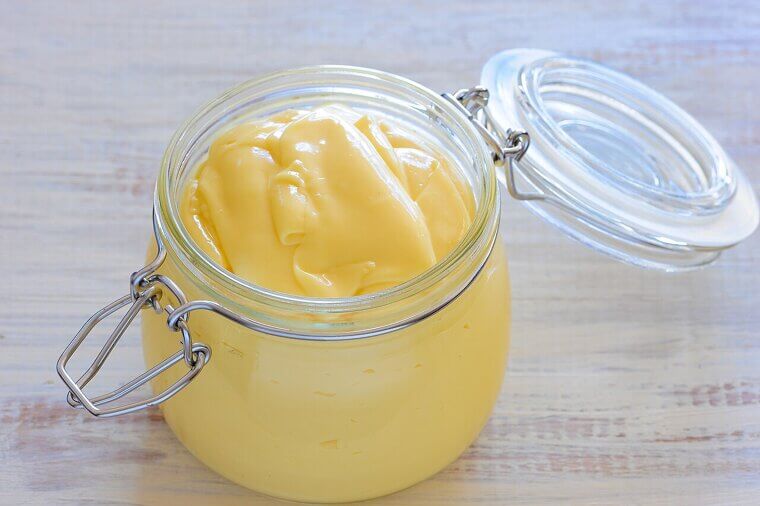
It is allegedly a secret used by professional florists to make their arrangements look more vibrant. Just be sure to use a very small amount so you don't clog the plant's pores.
Use Old Rice Water to Build Up Your Plant’s Natural Immunity
When you rinse your rice before cooking, don't throw that cloudy water away. Rice water contains traces of starch, nitrogen, phosphorus, and potassium, but more importantly, it reportedly encourages the growth of "lactobacilli." These are beneficial bacteria that help strengthen the plant's cell walls and improve its resistance to disease. Watering your garden with this starch-heavy liquid allegedly makes your plants more resilient to environmental stress and pests.
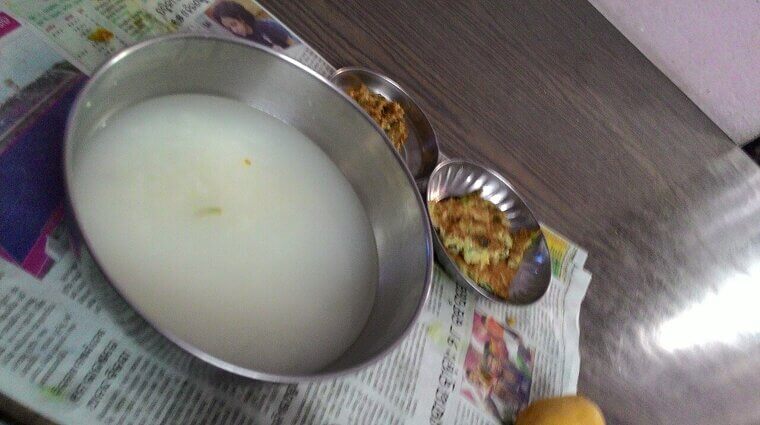
It is a simple, no-waste habit that has been a staple in Asian gardening traditions for centuries with fantastic, visible results.
Deter Thirsty Ants With a Simple Barrier of Cream of Tartar
Ants are often drawn to the garden to "farm" aphids for their honeydew, which can lead to a double pest problem. If you see a trail of ants heading toward your favorite shrub, draw a line in their path using cream of tartar from your spice drawer. Ants allegedly won't cross the powdery barrier because it interferes with their scent trails and is irritating to their bodies.
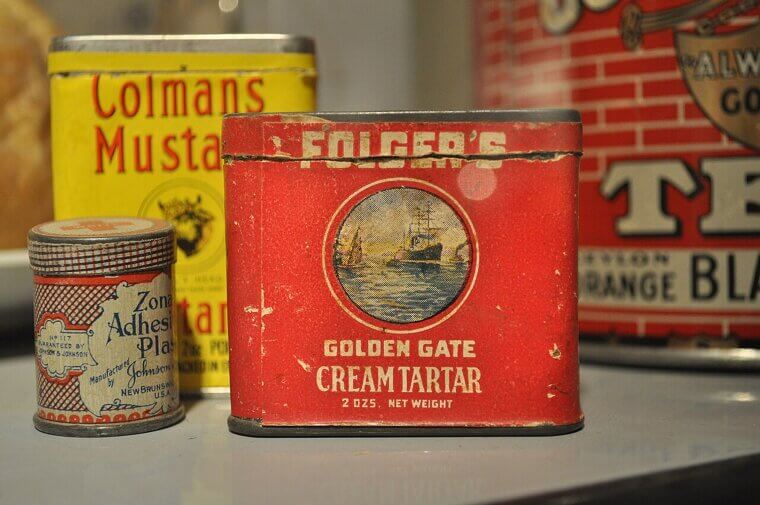
It is a clean, non-toxic way to redirect them away from your porch or your flower beds without resorting to the heavy-duty poison sprays that can linger in the soil.
Add a Pinch of Epsom Salts to Your Pepper Plants for More Fruit
Peppers and tomatoes are heavy users of magnesium, and a deficiency can lead to yellowing leaves and fewer vegetables. Epsom salts—which are actually magnesium sulfate—are the perfect pantry fix. Dissolve a tablespoon of the salts in a gallon of water and use it as a foliar spray or a soil drench once your plants start to flower. This reportedly helps the plant produce more blossoms and stronger, thicker-walled peppers.
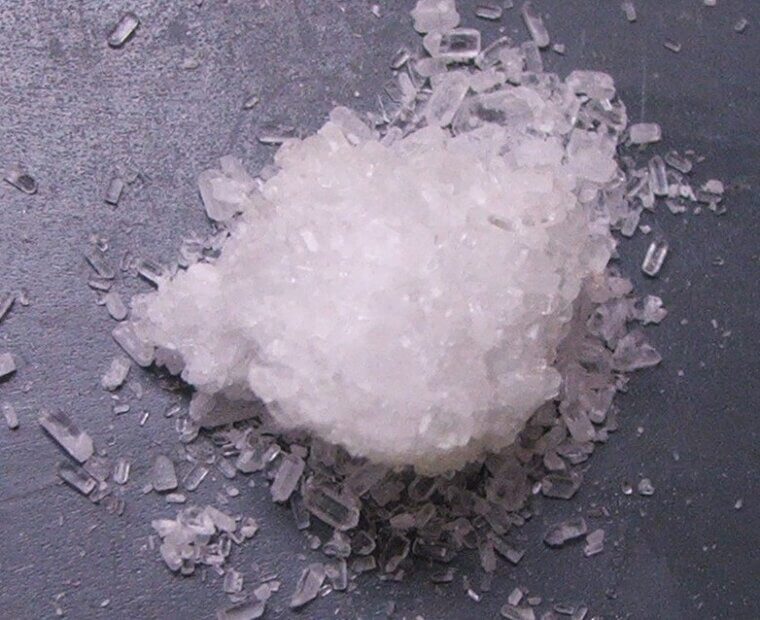
It is one of the most common "secret" tips shared among master gardeners who want to maximize their harvest every single summer.
Use Stale Beer to Trap Slugs Without Using Any Poison
If the cornmeal trick isn't for you, the old-fashioned beer trap is a legendary garden hack. Slugs are reportedly attracted to the yeast and sugar in beer. Bury a small tuna can or plastic container so the rim is level with the soil, and fill it halfway with stale beer. The slugs crawl in for a drink, fall into the liquid, and cannot get back out. It is a highly effective way to protect your garden overnight.

Just remember to empty the traps every morning to keep things clean and ready for the next night’s "guests."
Protect Your Seedlings From Cutworms With Recycled Plastic Straws
Cutworms are notorious for chewing through the stems of young plants at the soil line, essentially "beheading" them. A simple pantry or kitchen scrap fix is to use a piece of a plastic straw. Cut the straw into two-inch segments, slit them down the side, and wrap them around the base of the seedling stem, pushing them slightly into the dirt. This creates a "collar" that the cutworms reportedly cannot get past.
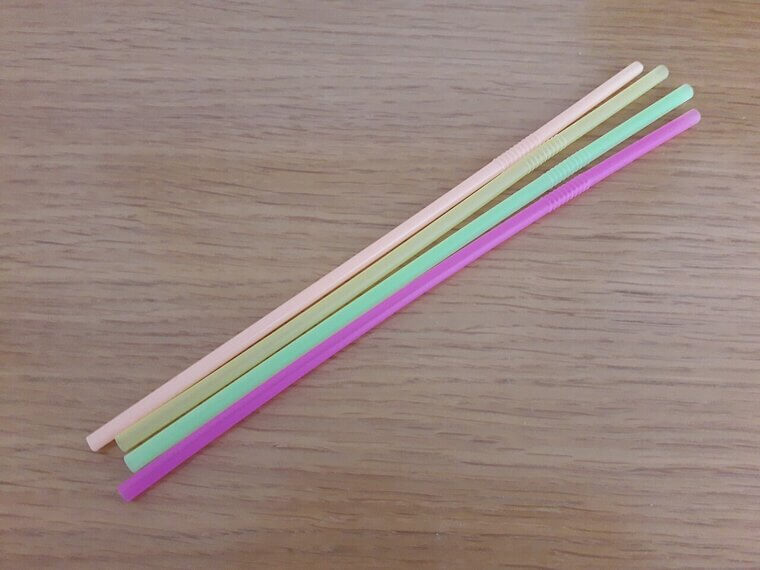
It’s a brilliant way to use up those leftover straws from takeout while saving your garden from total destruction in the early spring.
Boost Your Compost Pile’s Speed With a Splash of Flat Soda
If your compost pile seems to be "stalling" and isn't breaking down fast enough, a can of flat, sugary soda might be the catalyst it needs. The high sugar content provides an instant hit of energy for the bacteria that do the heavy lifting of decomposition. Additionally, many sodas contain phosphoric acid, which reportedly helps break down tough materials like straw or wood chips more quickly.

It is a weird but wonderful way to clear out the pantry and speed up the creation of that "black gold" your garden loves so much for next season.
Use a Cornstarch Slurry to Help Your Soil Retain Extra Water
In the height of a dry summer, keeping your hanging baskets hydrated can feel like a full-time job. A clever trick involves using cornstarch. By mixing a little cornstarch with water to create a thin slurry and pouring it into the soil of your pots, you can reportedly help the dirt hold onto moisture longer. The starch molecules bind with the water and slow down the evaporation process.
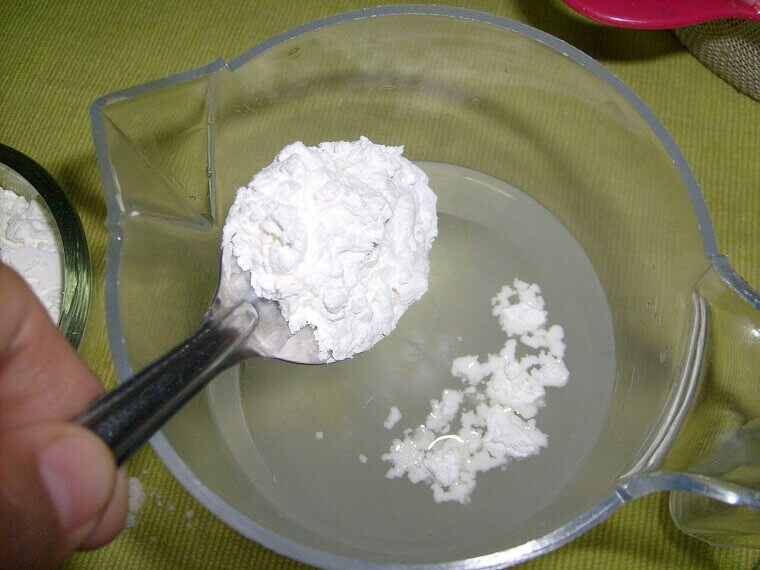
This allegedly allows you to water your plants less frequently without them wilting in the afternoon heat, making it a lifesaver for busy or traveling gardeners.
Turn Old Sponges Into Water Reservoirs for Your Potted Plants
Before you toss out a kitchen sponge that’s lost its scrubbiness, give it a new job. Place a clean, damp sponge at the bottom of a flower pot before you add the soil and the plant. The sponge acts as a hidden reservoir, soaking up excess water and then slowly releasing it back into the soil as the plant gets thirsty. This reportedly prevents root rot by managing excess moisture.
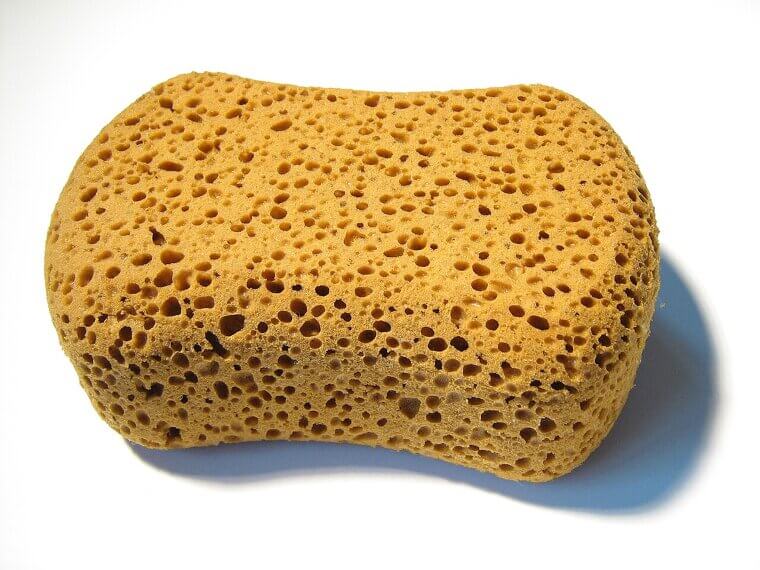
It smiluntaneously provides a "safety net" during dry spells. It is a great way to recycle household waste into a functional garden tool that works 24/7.
Spray Your Fruit Trees With a Milk Solution to Prevent Mildew
Powdery mildew is a white, dusty-looking fungus that can quickly coat the leaves of cucumbers, squash, and fruit trees. A surprising but effective remedy is a mixture of one part milk to nine parts water. Spray this onto the leaves of your plants during the sunniest part of the day. The proteins in the milk allegedly react with the sunlight to create an antiseptic environment that kills the fungus.
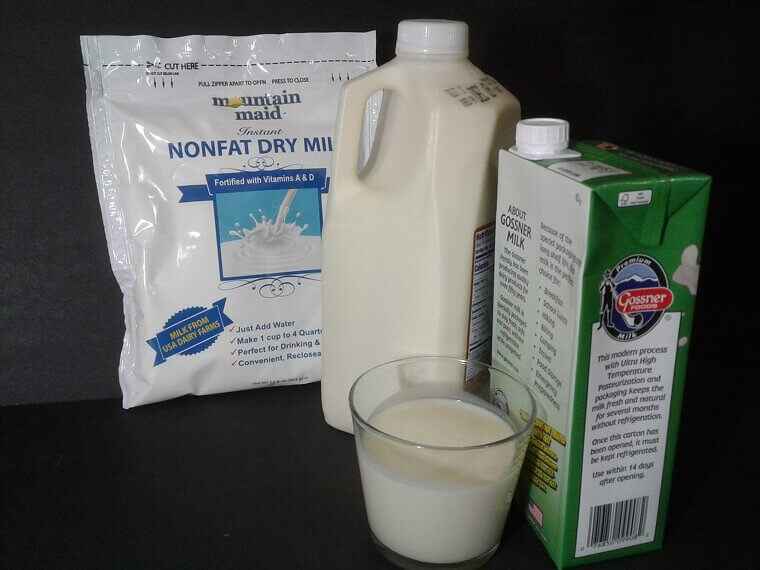
It is a non-toxic, pantry-based alternative to sulfur sprays that gardeners have allegedly used for decades to keep their harvests clean and healthy.
Use an Old Muffin Tin to Create Perfectly Spaced Seed Holes
Achieving the perfect spacing for your carrots or radishes can be a struggle, but your baking cabinet has the answer. Simply press an empty muffin tin into the soft, prepared soil of your garden bed. This creates a series of perfectly uniform, evenly spaced indentations that are exactly the right depth for most small seeds. It saves you from having to measure with a ruler and ensures your garden looks organized and professional.

It’s a simple "why didn't I think of that?" hack that makes the planting process much faster and more enjoyable.
Apply a Mustard Powder Barrier to Keep Cabbage Worms Away
Those little white butterflies may look pretty, but they lay eggs that turn into hungry cabbage worms. If you want to protect your broccoli and kale without using dusts or sprays, try dry mustard powder. Sprinkle it around the base of your plants or lightly on the leaves when they are damp with dew. The pungent scent and heat of the mustard allegedly repel the butterflies and make the leaves unpalatable to the worms.

It is a completely natural, food-grade solution that keeps your dinner greens looking pristine and hole-free all season long.
Use Dried Bay Leaves in Your Seed Storage to Prevent Weevils
If you save your own seeds from year to year, you know how devastating a weevil infestation can be. These tiny beetles can eat through a collection of bean or corn seeds in no time. To prevent this, place a few dried bay leaves from your spice rack inside your seed envelopes or jars. The strong aroma of the leaves allegedly acts as a natural insect repellent that keeps weevils and other storage pests at bay.
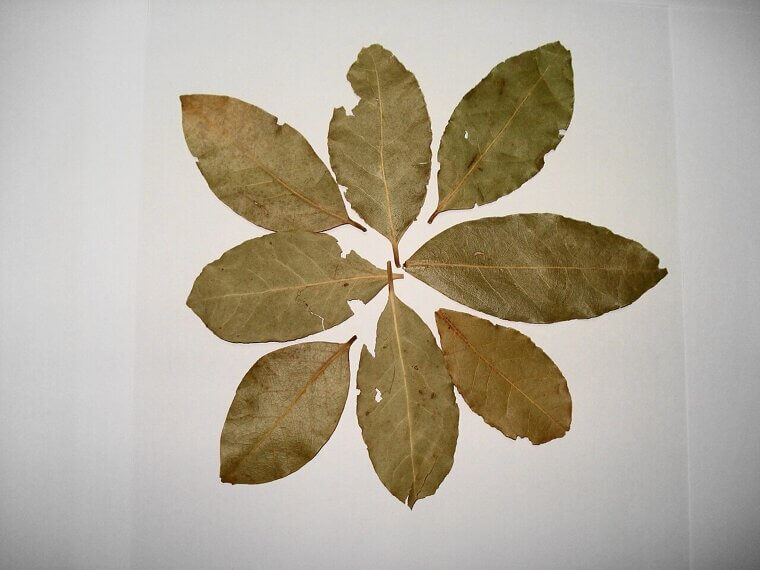
It is a low-cost, effective way to protect your future garden and ensure your seeds remain viable for the next planting.
Mist Your Orchids With a Diluted Vanilla Extract Solution
Orchids can be notoriously difficult to get to bloom again once the original flowers fall off. Some veteran orchid growers suggest that a very diluted solution of water and a drop of real vanilla extract can help stimulate growth. The trace minerals and the scent of the vanilla allegedly mimic the tropical environment where orchids naturally thrive. While it is reportedly not a "magic wand," many enthusiasts swear by it.
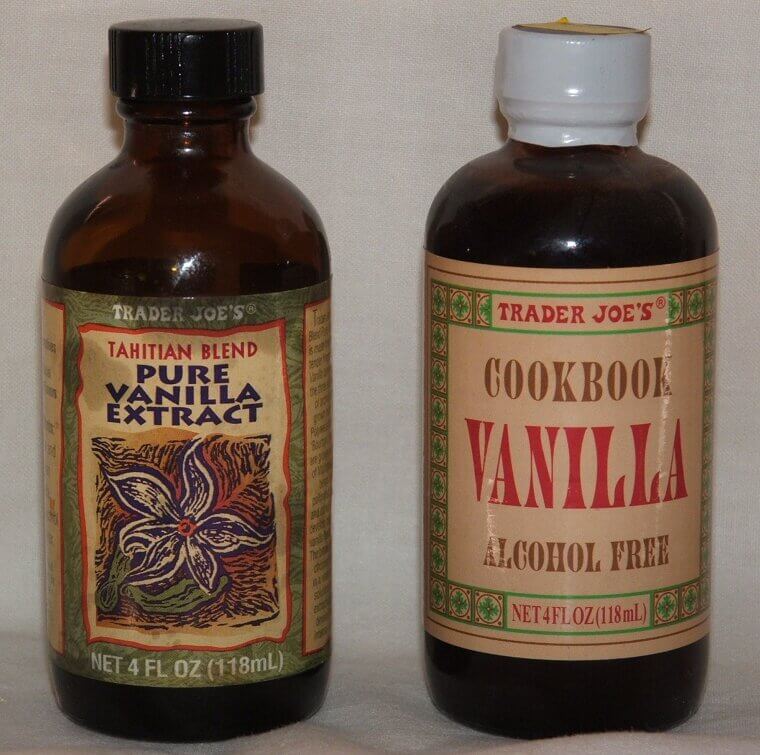
They say it encourages new spikes and keeps the leaves looking glossy and healthy. It’s a fragrant and gentle way to pamper your most delicate houseplants.
Use Coconut Oil to Keep Your Garden Tools Rust-Free and Smooth
After a long day in the garden, your shears and shovels deserve a little TLC. Instead of using industrial lubricants, reach for a jar of coconut oil. Rub a small amount over the metal surfaces of your tools and into any moving joints. The oil reportedly creates a water-resistant barrier that prevents rust and keeps the blades sliding smoothly. Plus, it's food safe and non-toxic.
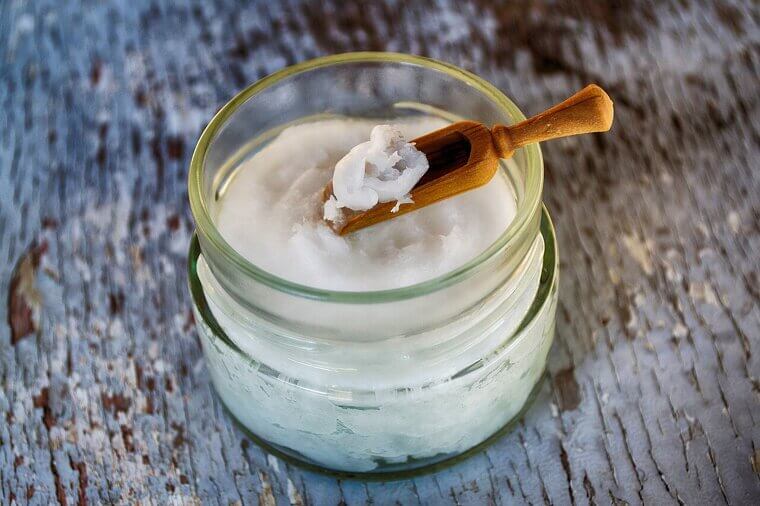
Because it is food-safe, you don’t have to worry about getting chemicals in your soil. It is a natural, aromatic way to maintain your equipment and ensure it lasts for decades of gardening.
Sprinkle Used Paper Towels With Salt to Kill Slugs on Contact
If you don't want to use beer or cornmeal, you can create a "salt trap" using damp paper towels. Slugs love to hide under cool, damp objects during the day. Place a few damp towels in the garden in the evening, and in the morning, lift them up to find the slugs hiding underneath. Sprinkle a little table salt on them to finish the job.
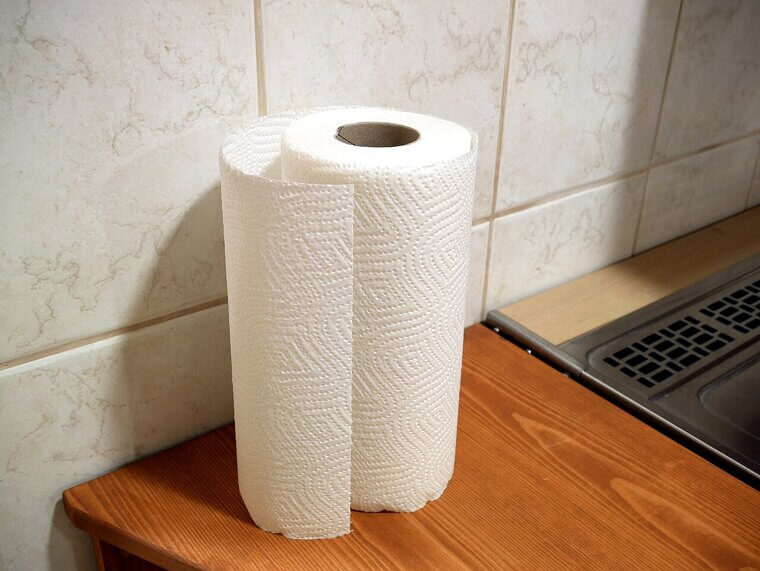
While salt is bad for soil in large quantities, using it specifically on the slugs over a towel prevents it from leaching into your garden beds. It’s a targeted, effective way to clear out pests.
Use a Cinnamon and Honey Paste to Heal Damaged Tree Bark
If a tree in your yard has suffered a nick from a lawnmower or a broken branch, you can create a natural "bandage" from your pantry. Mix ground cinnamon with a little bit of honey to form a thick paste and smear it over the wound. The honey acts as a natural sealant and antibacterial agent, while the cinnamon provides antifungal protection. This reportedly helps the tree heal faster.
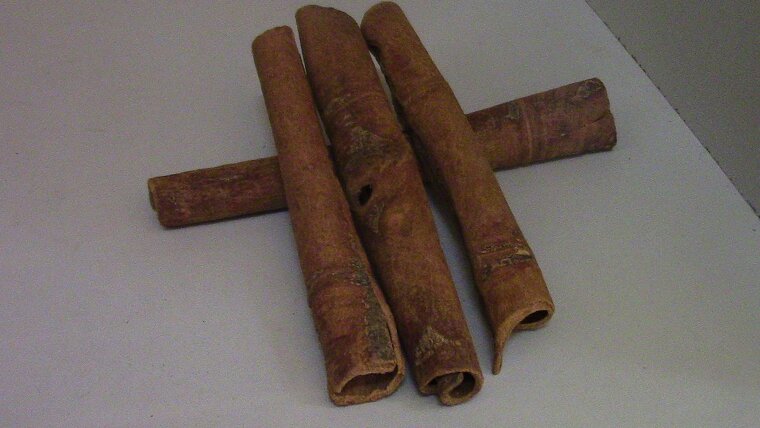
It also prevents infections from taking hold in the exposed wood. It is a gentle, supportive way to care for your yard’s largest inhabitants using simple ingredients.
Feed Your Compost Pile Your Old, Soggy Flour
If you find a bag of flour in the back of the pantry that is past its prime or has gotten a little damp, don’t throw it in the trash. Flour is a source of carbohydrates that can help fuel the heating process in your compost pile. Spread it out in thin layers between your "green" and "brown" materials to avoid it clumping into a sticky mess.
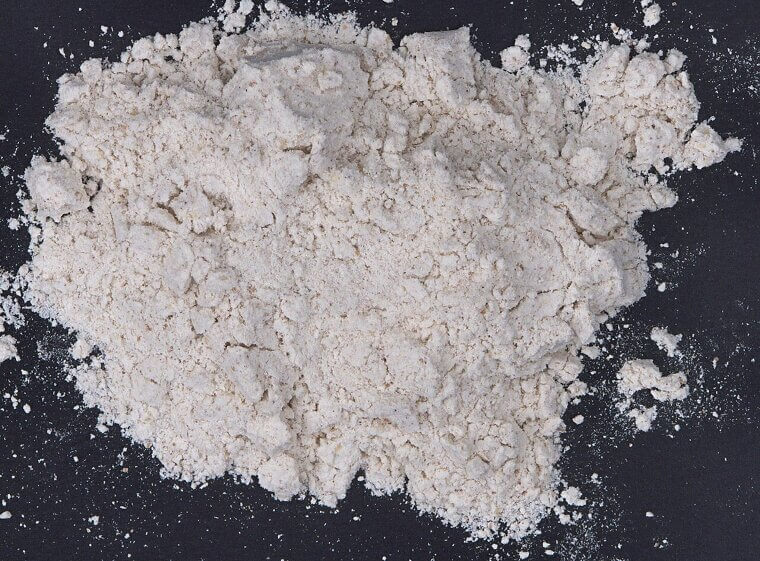
As it breaks down, it reportedly provides a boost to the beneficial fungi in the pile, helping you turn your kitchen scraps into rich, usable soil even faster than before.
Use Old Aluminum Foil to Reflect Extra Light Onto Sun-Hungry Plants
If you have a garden bed that is tucked in a slightly shady spot, you can "cheat" the sun using scraps of aluminum foil. Attach the foil to a piece of cardboard or a fence behind your plants. The reflective surface will bounce sunlight onto the leaves that would otherwise be in the shadows. This reportedly helps sun-loving plants like peppers or tomatoes grow more vigorously in less-than-ideal conditions.
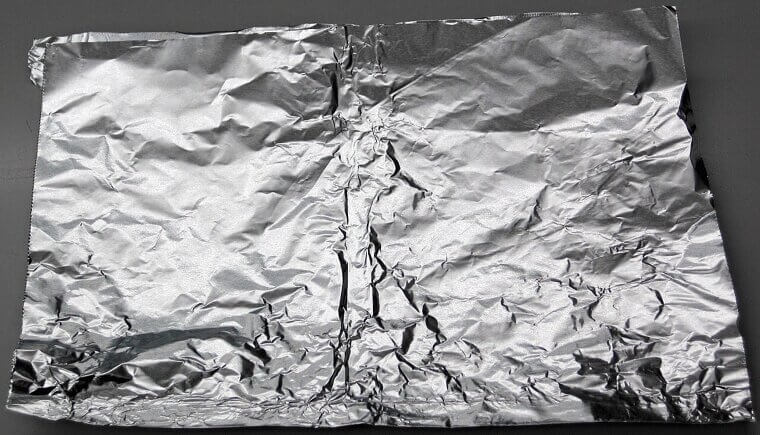
It is a clever, no-cost way to maximize the natural light in your yard and improve your garden’s overall productivity.
Sprinkle Nutmeg in Your Potted Plants to Stop Cat Digging
Many indoor gardeners struggle with cats who think a large potted palm is a litter box. To discourage this behavior, try sprinkling a bit of ground nutmeg on the surface of the soil. Most cats reportedly find the strong, spicy scent of nutmeg to be quite off-putting and will avoid the area entirely. It is a much nicer solution than using physical barriers or unpleasant sprays, and it adds a warm, spicy fragrance to your home.
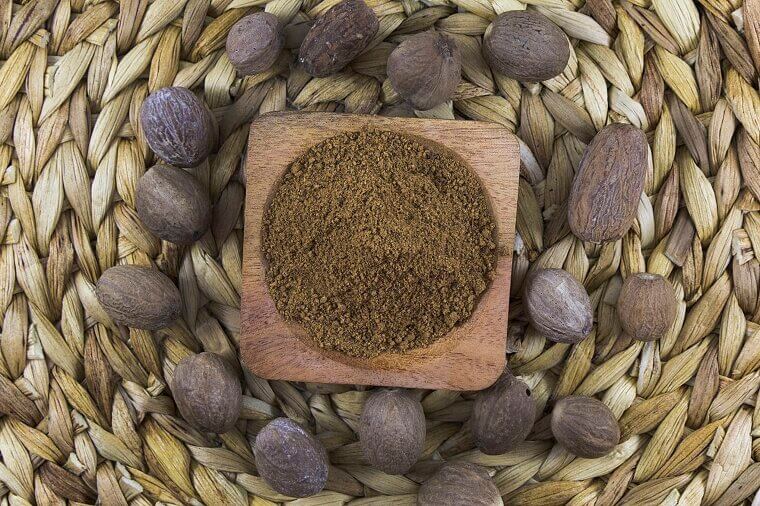
Just a light dusting every few weeks should be enough to keep your feline friends and your plants in harmony.
Use a Piece of Stale Bread to Soak Up Spilled Garden Oil
If you accidentally spill a bit of lawnmower oil or tool lubricant on your garden path or near your plants, reach for a slice of stale bread. The porous nature of the bread makes it an incredible sponge for greasy liquids. Simply lay the bread over the spill and press down lightly. It will reportedly lift the oil out of the dirt or off the stone much more effectively than a paper towel would.

Once the bread is saturated, dispose of it in the trash. It’s a quick, low-tech way to handle a messy garden accident.
Add Vinegar to Your Cut Flower Water to Make Them Last Longer
When you bring a fresh bouquet of garden flowers inside, you want them to stay beautiful for as long as possible. A simple pantry trick is to add two tablespoons of white vinegar and two tablespoons of sugar to the vase water. The vinegar reportedly helps kill bacteria that can clog the stems and cause wilting, while the sugar provides a source of food for the blooms.

This combination allegedly keeps your flowers looking fresh and vibrant for several extra days, allowing you to enjoy your hard work in the garden even longer.
Use an Empty Pringles Can to Store Your Long Garden Stakes
Those long, thin bamboo or plastic stakes used to support peonies and lilies are notorious for getting lost or tangled in the garden shed. An empty, cleaned-out Pringles can is the perfect size for storing these stakes vertically. It keeps them organized, dry, and easy to grab when you need them. You can even decorate the outside of the can with old seed packets to make it look charming.
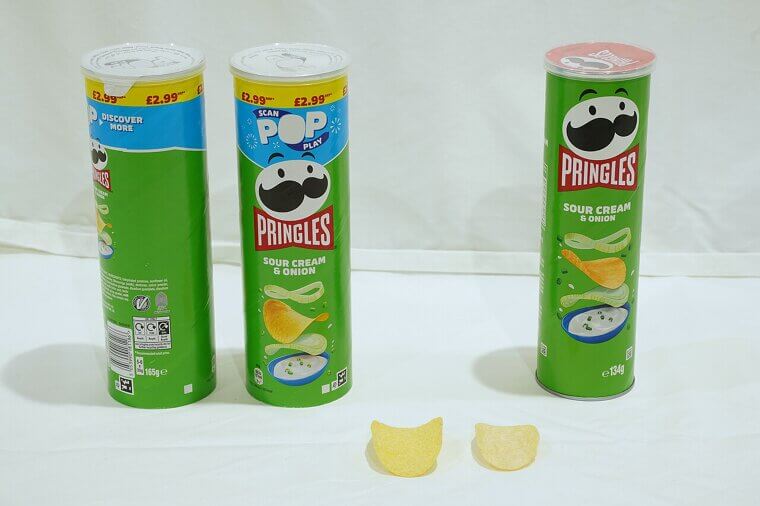
It’s a great example of how a simple piece of "junk" can become a highly functional organizational tool for a tidy gardener.
Deter Deer From Nibbling Your Hostas With a Soap Scrap "Scent Barrier"
If deer are treating your garden like an all-you-can-eat buffet, try using your leftover soap scraps. Grate the bits of soap into small pieces or hang them in old stockings from the branches of your shrubs. The strong, "human" scent of the soap reportedly confuses and repels deer, who are naturally wary of anything that smells out of place. This is allegedly a favorite trick for rural gardeners who want to protect their landscapes without installing tall, unsightly fences.
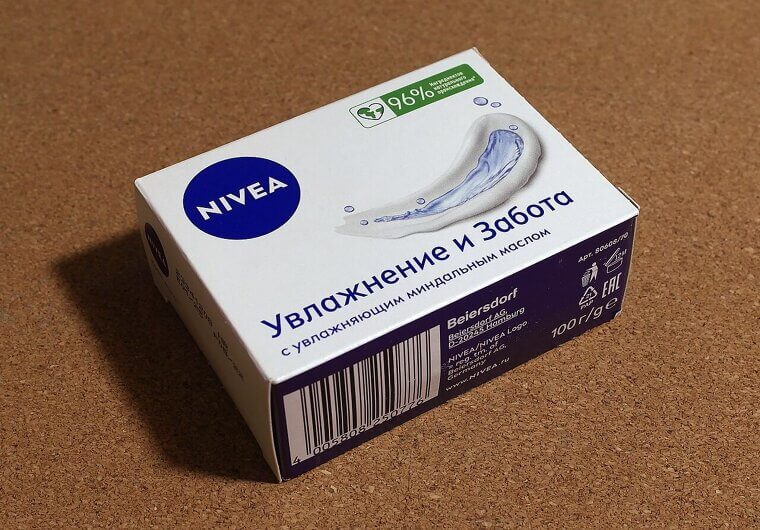
It is a cheap, invisible way to keep your garden safe from hungry visitors. Sounds like a win-win to us.