
The Shimmering Rows of Iowa: Great-Grandmother’s Secret "Silver Queen" Corn
The traveler’s quest began in the humid heart of Iowa, standing on the very porch where her great-grandmother once shucked corn until her thumbs were stained green. Finding these specific non-hybrid kernels required a long afternoon spent with a distant cousin who still farms the original family plot. This variety is known for its exceptionally pale, creamy kernels and a sweetness that feels like a culinary hug from the past.
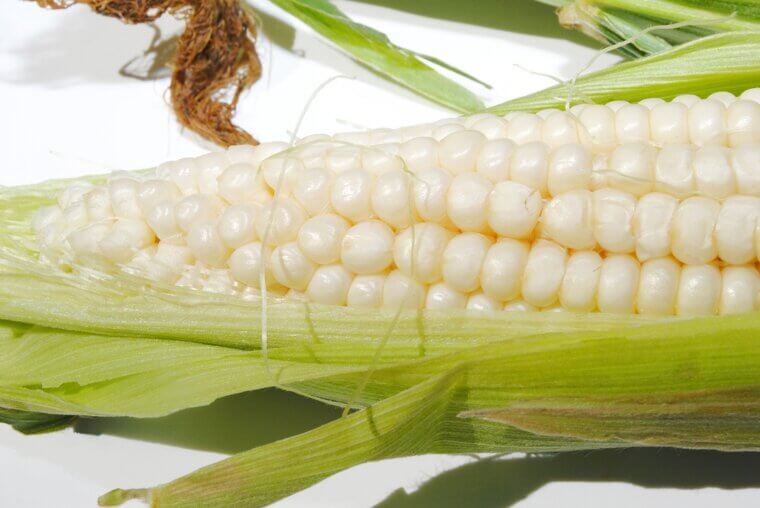
For the modern heritage gardener, ensuring your soil is at least 65°F before planting is the secret to capturing that authentic, sugary crunch that defined the traveler's childhood summers.
Crimson Memories of Ohio: Aunt Martha’s "Velvet Petal" Snapdragons
She drove east to Ohio, searching for the vibrant snapdragons that once lined Aunt Martha’s walkway during Sunday tea. These flowers allegedly descended from a batch brought over from England in the late nineteenth century, and finding a few survivors in a shaded corner of the old garden felt like a miracle. They boast a deep crimson hue and a soft, felt-like texture that feels like expensive fabric.
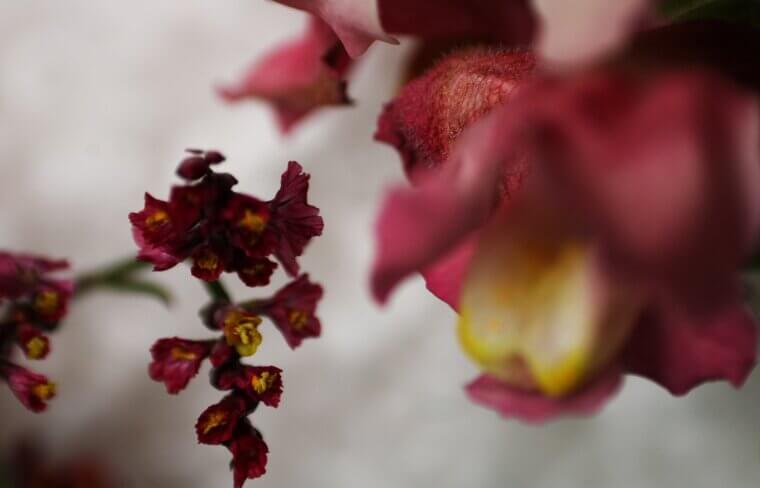
To keep these beauties thriving in your own backyard, it is reportedly best to pinch back the central stem when the plant is young to encourage bushier growth and more frequent blooms.
Jewels in a Kentucky Pouch: The "Glass Gem" Rainbow Starlight Beans
In Kentucky, an old neighbor of the woman's grandfather handed her a pouch of beans that looked more like polished jewelry than garden produce. The neighbor shared stories of how these were a staple in the kitchen for making hearty winter stews during the lean years of the Great Depression. Each pod reveals a stunning array of translucent, multicolored beans that shimmer beautifully in the sunlight.
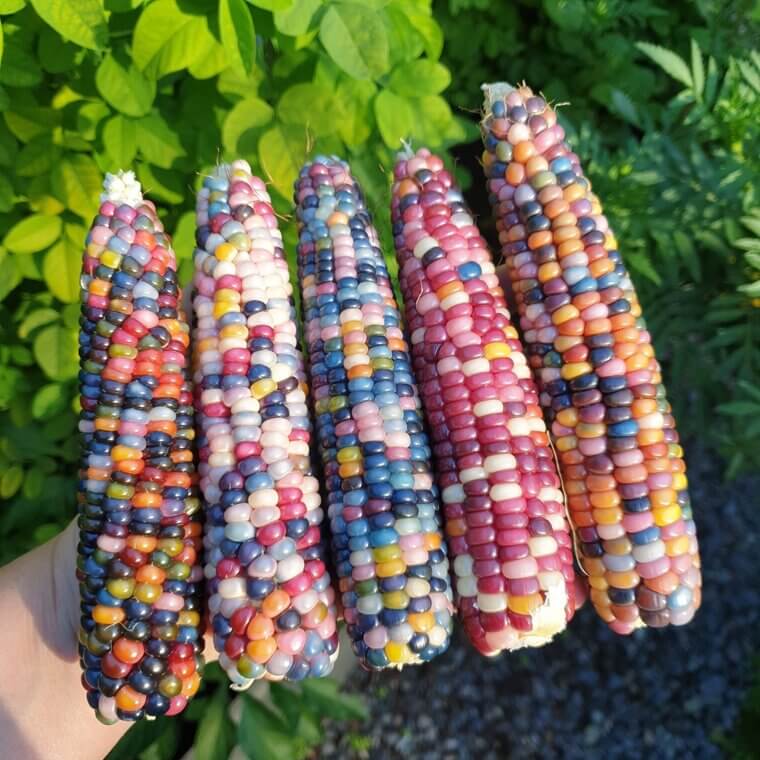
When growing these at home, remember that they are vigorous climbers that require a sturdy trellis. You should harvest them only once the pods have completely dried to ensure those vibrant colors.
The Hillside Rescue in Virginia: Grandmother Rose’s "Scent of Heaven" Lavender
The traveler visited Virginia to rescue a strain of lavender from a hillside just before her grandmother’s old farmhouse was demolished for new development. The aroma is notably more intense than common store-bought varieties, carrying hints of rosemary and honey that immediately evoked memories of a clean linen closet. This plant served as a natural freshener for generations of women in the family. For those looking to replicate this fragrance, it is essential to provide well-draining, slightly alkaline soil.
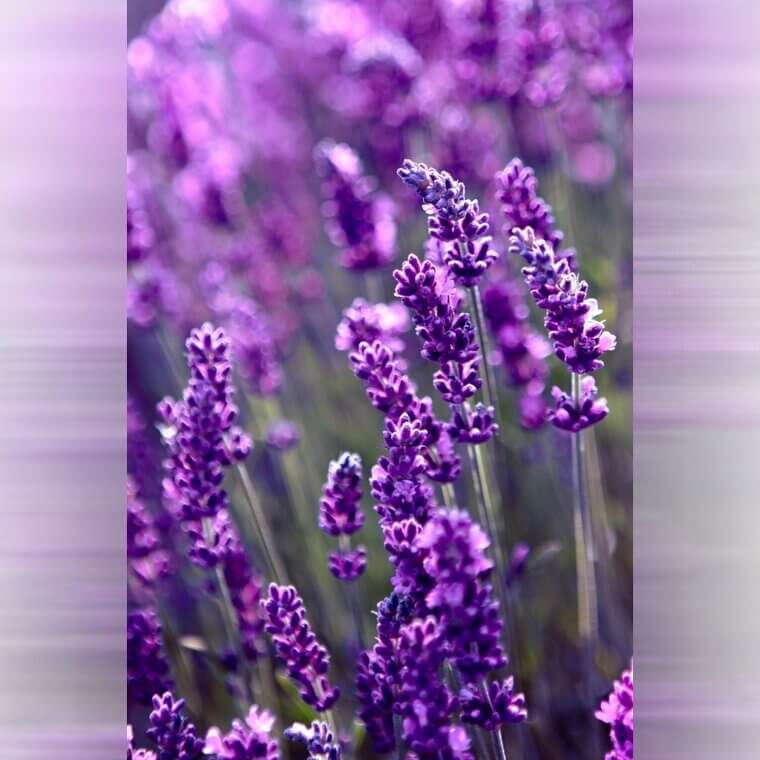
This Mediterranean native prefers "dry feet" to maintain its potent essential oils and beautiful, fragrant purple spikes. It's definitely worth all the hard work.
Smoky Flavor From the 1950s: The Tennessee "Sunday Morning" Heirloom Tomato
Crossing into Tennessee, she sought out the massive beefsteak-style fruit that was the centerpiece of every family brunch during the 1950s. This tomato features a deep, smoky flavor and a thin skin that melts in the mouth, a far cry from the modern grocery store varieties. Because these plants are indeterminate, they will continue to produce fruit until the first frost hits. Modern gardeners should focus on consistent watering patterns.
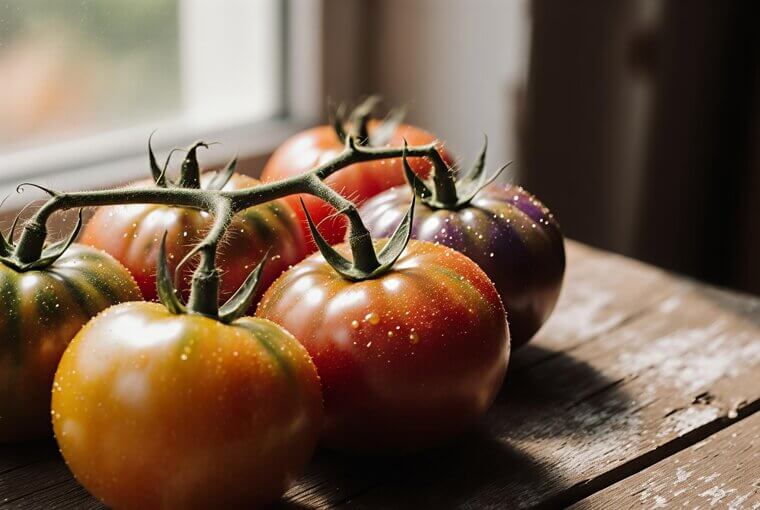
This prevents the delicate skins from cracking, which preserves the beautiful, rustic appearance of these massive, flavor-packed giants that once sat on her family’s breakfast table.
Whispers in the Pennsylvania Wild: Cousin Clara’s "Midnight Lace" Ruffled Poppies
She found these stunning black and purple poppies growing wild near a fence line in Pennsylvania where Clara once ran a small family nursery. They were reportedly the cousin's favorite for attracting pollinators like honeybees to the vegetable patch, and finding them felt like receiving a silent greeting. The petals have a delicate, ruffled edge that gives them a sophisticated, vintage appearance. If you want these to return year after year, you must do one specific thing.
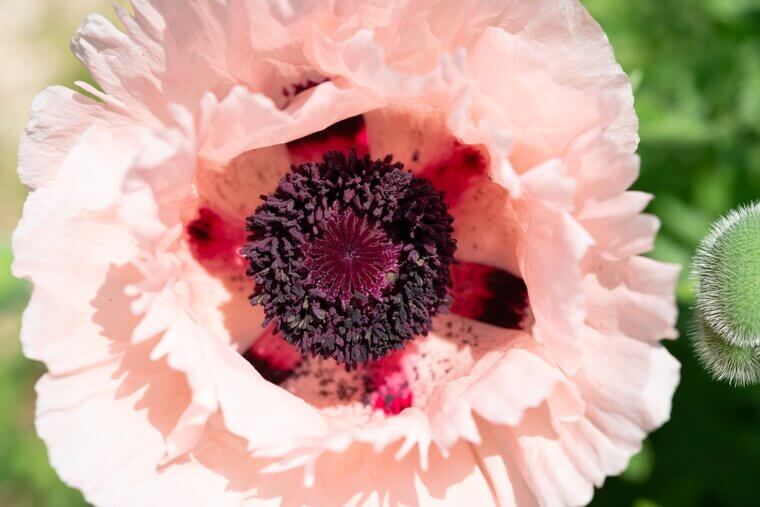
You must allow the seed pods to dry out and "pepper" the ground naturally in the autumn. They prefer cool weather, so sow them in very early spring.
A Trellis of Missouri History: The Pale Pink "Porch Swing" Climbing Roses
In Missouri, the woman took a cutting from a rose bush that is a direct descendant of the one that climbed her mother’s childhood trellis. These flowers are known for their pale pink, cabbage-style blooms and an intoxicating, old-fashioned perfume that modern roses often lack. They are incredibly hardy, having survived decades of neglect before being rediscovered. To keep these roses looking their best, prune them during their dormant winter phase to remove dead wood.
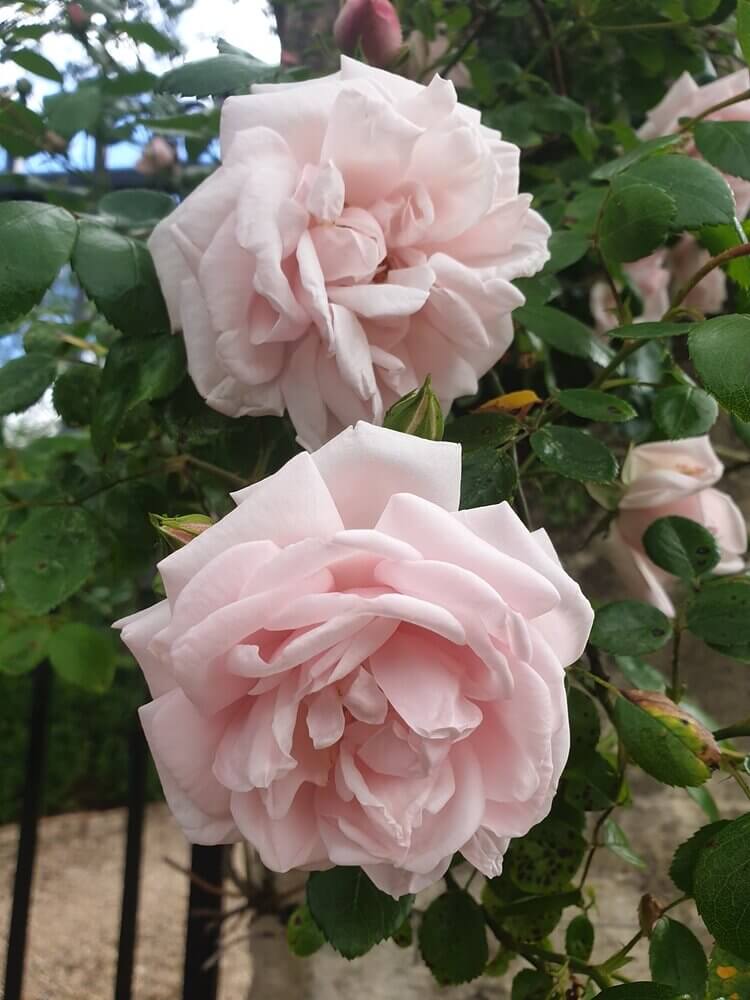
A thick layer of organic mulch around the base will help retain the moisture needed for those lush, romantic, and deeply historic blossoms.
Blue-Ribbon Pride of the Illinois Fair: Uncle Ben’s "Giant Ribbed" Pumpkin
The woman's tires kicked up dust in Illinois as she tracked down the pumpkin variety that was the pride of her Uncle Ben’s county fair entries in the late 1940s. These pumpkins feature deep ridges and a thick, orange flesh that is perfect for making traditional family pies from scratch. They are allegedly more resistant to common garden pests than many modern hybrids. When growing these in your heritage garden, give them plenty of space to roam.
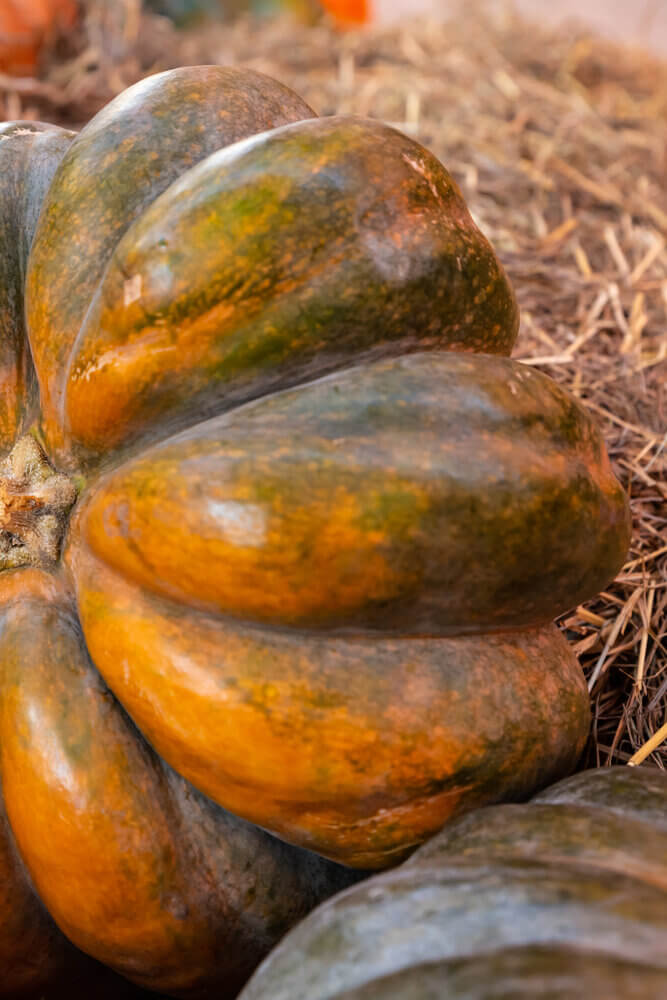
Space is crucial because the vines can reach twenty feet. Heavy feeding with composted manure in mid-summer will help you grow a truly impressive harvest.
Echoes of a New York Childhood: The "Forgotten Orchard" Golden Pippin Apple
While not a traditional seed, a graft from an ancient tree in New York allowed her to bring home a piece of the orchard where her father played as a boy. This variety was reportedly used by her ancestors for both cider and baking because of its perfect balance of tartness and sugar. The skin is a mottled green and gold, reflecting a rugged history of survival.

Heritage gardening enthusiasts should look for semi-dwarf rootstock when attempting to plant older apple varieties. Regular thinning of the fruit in early summer ensures that the remaining apples grow large, juicy, and crisp.
Hidden Gems in a Michigan Attic: The Fragrant "Kitchen Window" Sweet Basil
In a dusty Michigan attic, she found seeds tucked away in a handwritten recipe book. This particular basil has leaves as large as a person’s hand and an aroma that filled the air with the scent of a grandmother's kitchen. It was the secret ingredient in the family’s signature pasta sauce for over sixty years. To keep your heritage basil from going to seed too quickly, be sure to harvest the top leaves regularly.
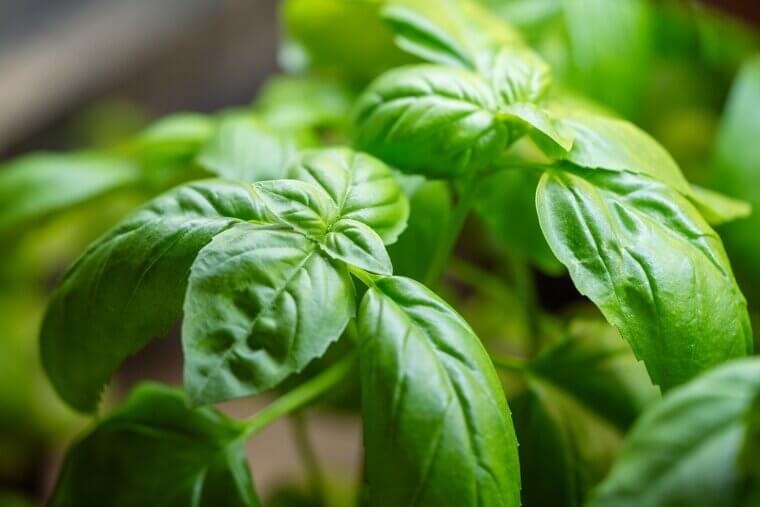
It thrives in the heat of the sun but requires plenty of water to keep those large, succulent leaves from wilting during the peak of the summer.
Moonlight Glow in Nebraska: Mama’s Fluffy "Starlight" White Marigolds
She remembered her mother tending to these rare white marigolds in a small Nebraska garden; her mother loved how they seemed to glow under the moonlight. They were reportedly bred by an amateur gardener in the family who wanted something unique for the evening hours. These blooms are exceptionally fluffy and provide a beautiful contrast to darker green foliage. Beyond their beauty, marigolds are excellent for deterring harmful nematodes in the soil.
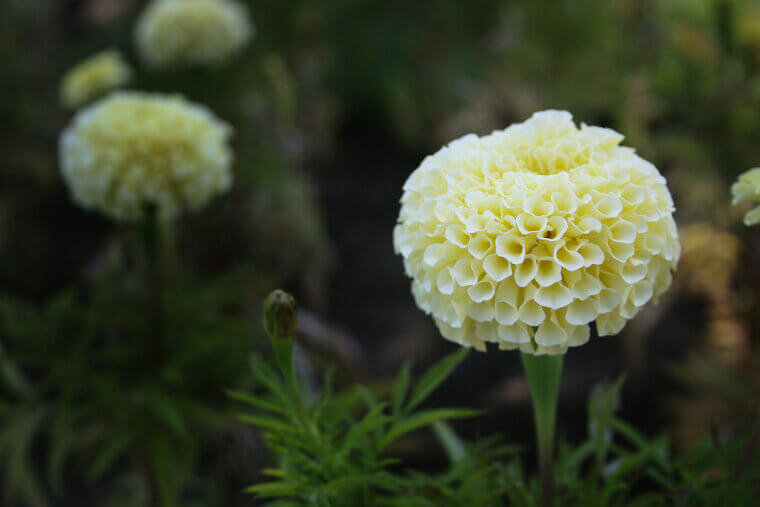
To maintain the pure white color in future generations, keep them isolated from other marigold varieties to prevent cross-pollination in your heritage garden.
Survival Seeds From Ontario: The "Homestead" Hardy Curly Kale
Long before kale was trendy, this hardy variety was a staple in the cold-weather gardens of her ancestors in Ontario. It was allegedly brought over by Scottish great-grandparents who valued its ability to survive even under a blanket of snow. The leaves are incredibly curly and turn sweet after the first frost of the year. For the best results in your own garden, plant this kale in late summer for a fall harvest.
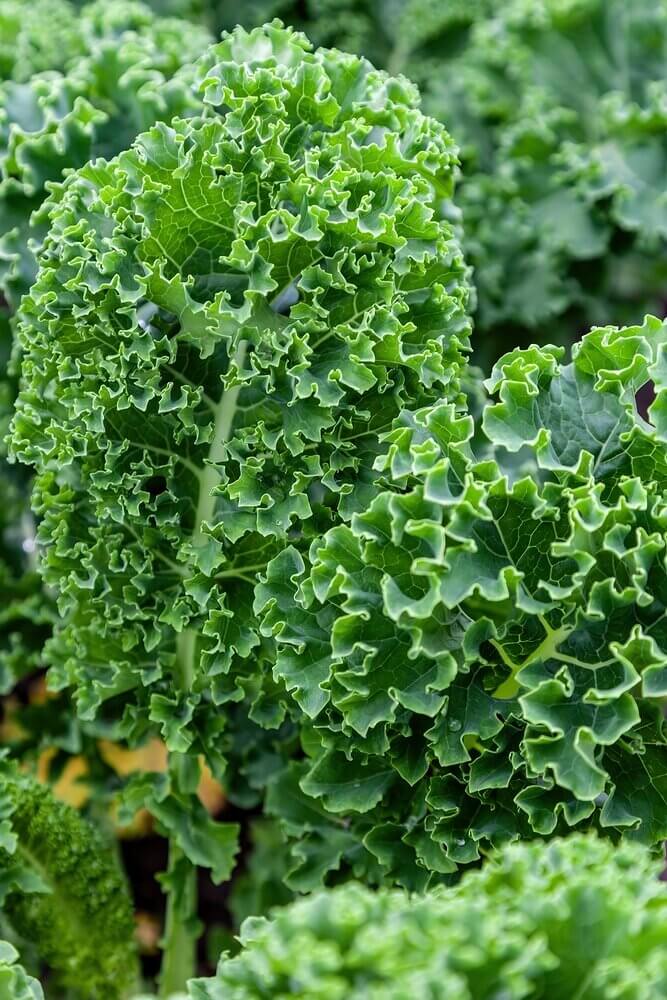
The cold temperatures actually convert the plant's starches into sugars, making it far more delicious than anything one could ever find in a modern grocery store.
A Masterpiece on a Maine Fence: Great-Aunt Sue’s "Painted Lady" Runner Beans
In a coastal town in Maine, she found these beans still growing on the same old iron fence where Great-Aunt Sue first planted them. They are famous for their stunning bi-color flowers of red and white, which made the original garden look like a painting. The beans themselves are large and speckled, perfect for drying and using in hearty winter soups. These plants love a cooler climate and plenty of moisture, reflecting their seaside origins.
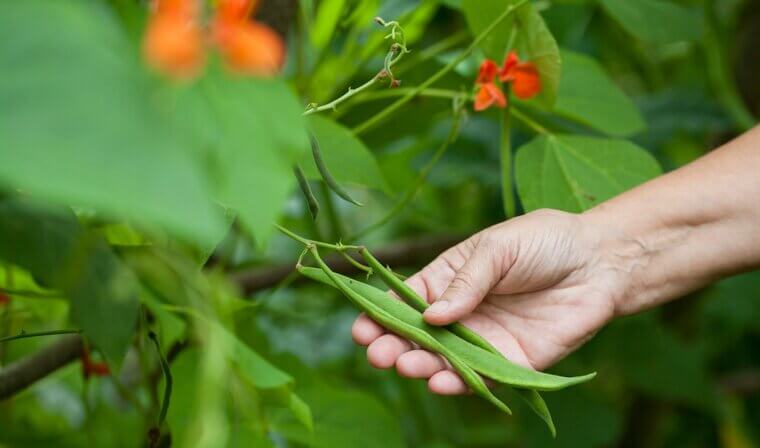
Providing a tall, sturdy support system is vital, as these "Painted Ladies" love to climb, often reaching over eight feet tall.
Citrus Zest From the Ohio Ruins: The "Old School" Fragrant Lemon Balm
She found this lemon balm near the foundation of a collapsed greenhouse in Ohio; the scent was so strong it evoked the tea her mother made whenever she was sick. This variety has a citrus zest aroma that modern versions reportedly cannot match. It was historically used by the family to calm the nerves and attract bees to the fruit trees. This plant is incredibly resilient and can take over a garden if not managed.
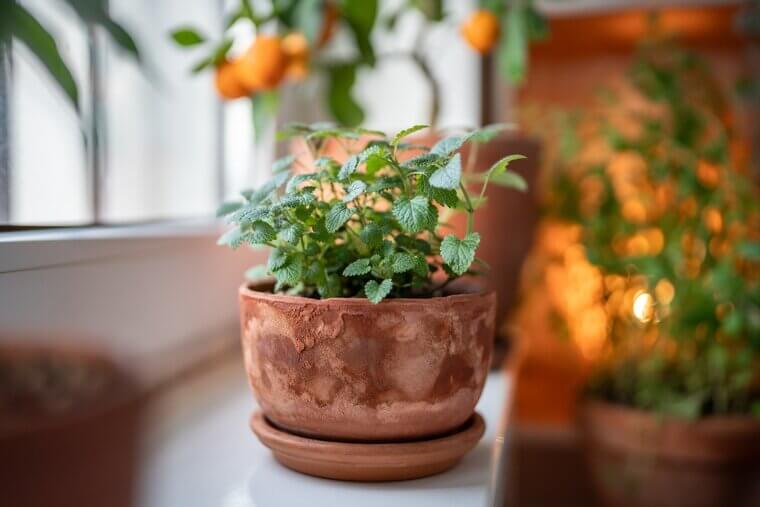
For modern gardeners, it is reportedly best to grow this in a large pot to prevent the roots from spreading too far.
Oklahoma’s Toughest Survivor: The "Dust Bowl" Resilient Heat-Loving Okra
These seeds were passed down through family members who survived the harsh conditions of Oklahoma during the 1930s. This variety is known for being incredibly drought-tolerant, producing long, tender pods even when the ground is parched. The flowers are stunning, resembling pale yellow hibiscus blooms with a deep burgundy center. To get the best harvest, the traveler learned to pick the pods when they are no more than three inches long.
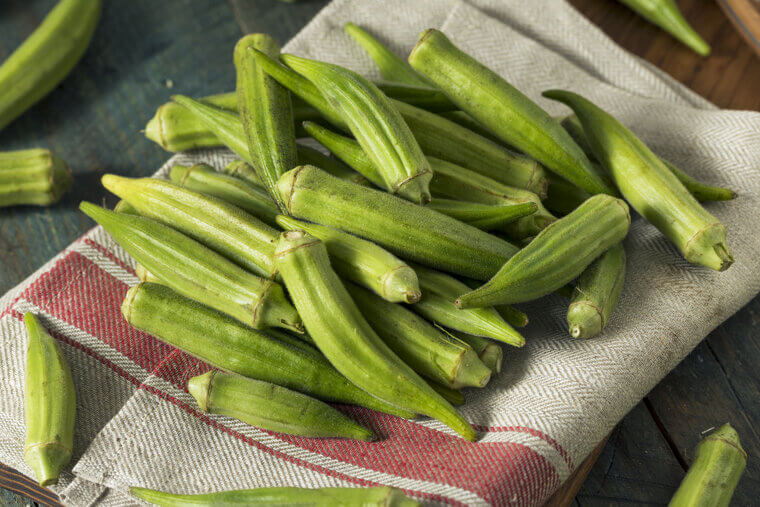
Soak the seeds in warm water overnight before planting to help break their tough outer shells and speed up the germination process in the garden.
Vermont Linens in the Wind: The "Backyard Fence" Scented Sweet Peas
The traveler rescued these fragrant climbers from an overgrown garden in Vermont. They carry a scent that is reminiscent of vintage perfume and fresh linens drying in the breeze, a smell that always lived in her mother’s hair. Unlike modern varieties that prioritize size, these heirloom sweet peas are grown for their intense, nostalgic aroma. They prefer the cool weather of early spring and should be planted as soon as the ground can be worked.
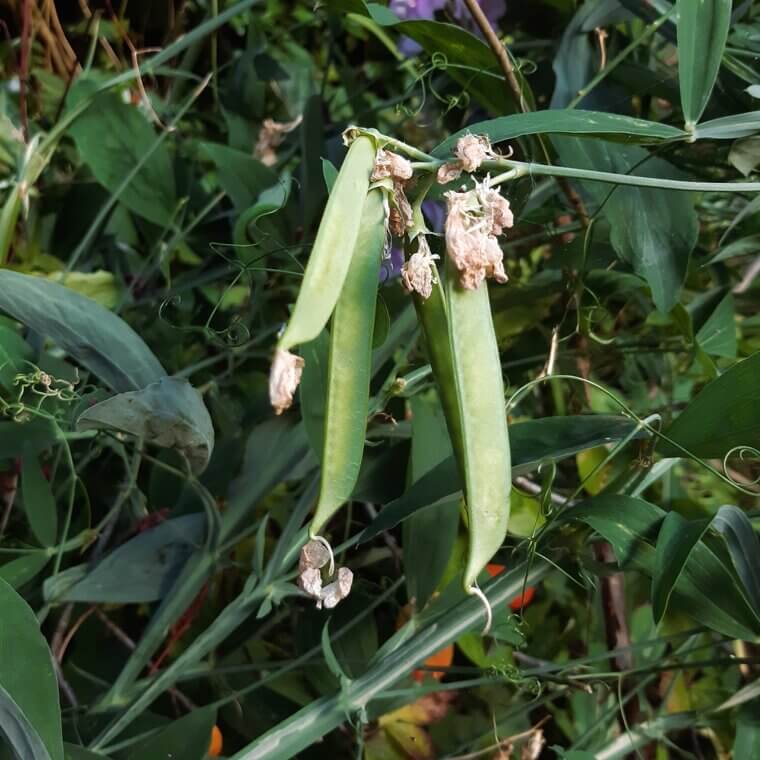
To encourage a long blooming season, it is vital to cut the flowers frequently for indoor bouquets, which keeps the plant blooming longer.
Jewels of the Colorado Meadows: The Tiny "Mountain Top" Wild Strawberries
High in a Colorado meadow where her family once had a summer cabin, she found these tiny strawberries that pack more flavor than any commercial berry. They are incredibly hardy and spread via runners, creating a lush groundcover that protected the mountain soil. While the fruits are small, they are intensely sweet and aromatic. To grow these successfully in a home garden, provide them with a spot that receives morning sun and afternoon shade.
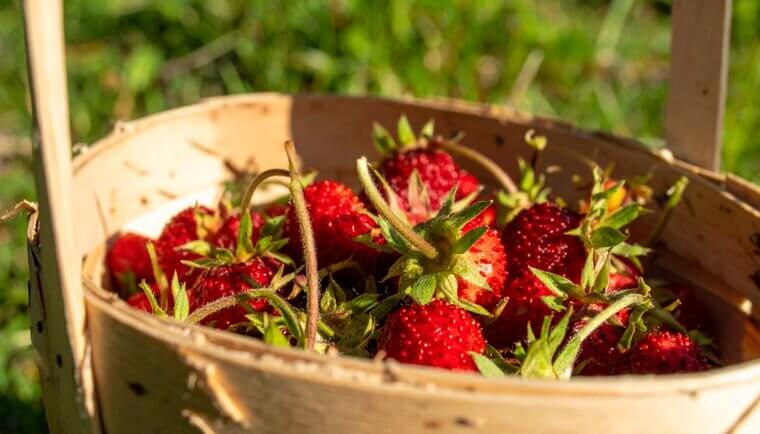
Keeping the soil consistently moist but not soggy will ensure a steady supply of these "jewels" throughout the early summer months.
Indiana’s Thick-Walled Giants: Grandpa’s "Iron-Clad" Deep Red Bell Peppers
Her grandfather’s farm in Indiana was famous for these peppers; they were known for their thick walls and ability to stay fresh for weeks in the cellar. They transition from a deep green to a brilliant, shiny red as they ripen, just as she remembered them on his kitchen counter. This variety is reportedly more resistant to common garden blights than many contemporary seeds. For the most flavorful peppers, allow them to fully ripen on the plant.
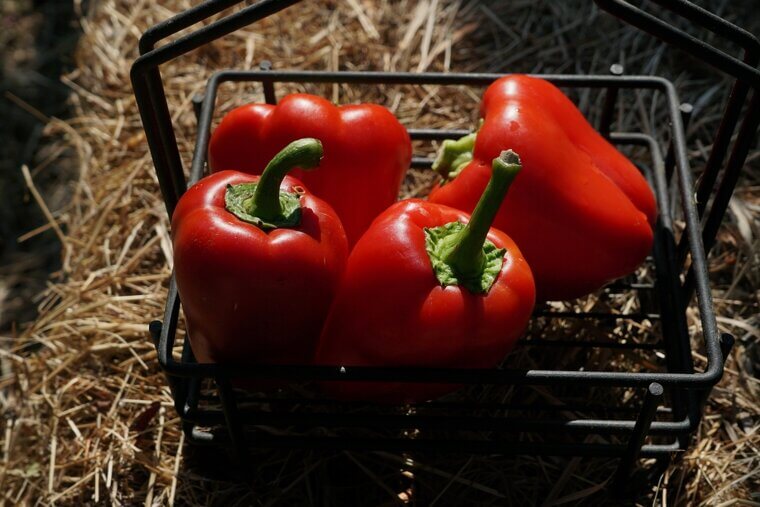
Adding a bit of Epsom salt to the soil at the time of planting can provide the magnesium boost they need.
A Connecticut Christmas Secret: The "Secret Patch" Tart Pink Gooseberries
These tart berries were found in a hidden corner of an old estate in Connecticut where the traveler's grandmother once worked. They were her favorite for making the jams that were the talk of the town during the holidays. The bushes are thorny, but they produce an abundance of fruit that turns a lovely shade of pink when ripe. Because they are prone to mildew, it is essential to plant them in a location with excellent air circulation.
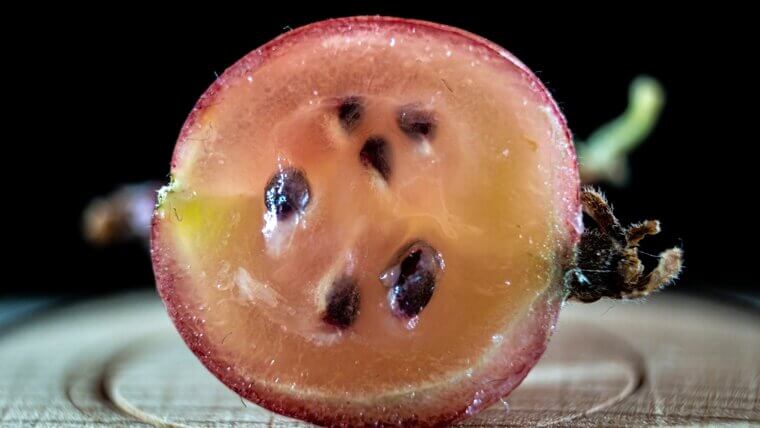
Pruning the center of the bush to keep it open will help keep the plant healthy and make the harvest much easier.
A Centennial Wedding Legacy: The Massachusetts "Anniversary" White Lilacs
These lilacs were originally planted to commemorate her grandparents' wedding in 1920 in a small Massachusetts town. Taking a cutting felt like preserving the legacy of their sixty-year marriage for her own garden. The flowers are pure white and have a heavy, romantic fragrance that defines the arrival of spring. Lilacs prefer a sunny spot with neutral soil to thrive. To ensure a spectacular show of blooms every year, it is reportedly best to remove the spent flower heads immediately after they fade.
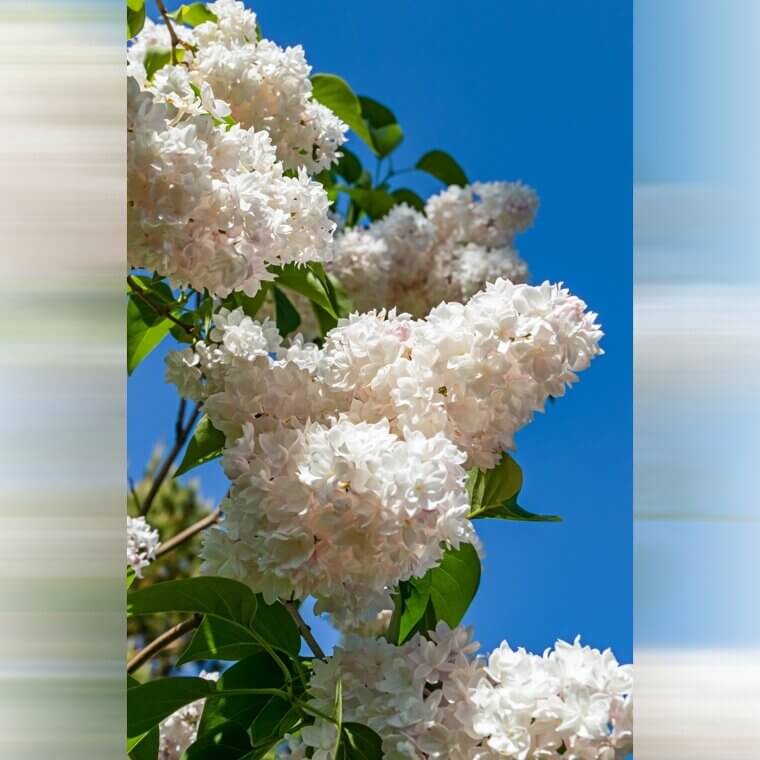
That's because this practice redirects the plant's energy into forming the buds for the following year's display.
The Zesty Dare of Wisconsin: The "Heritage Hill" Pungent Horseradish Roots
The woman dug up this horseradish from an old garden in Wisconsin, a place where her uncles used to dare each other to eat the raw roots. It is famously pungent and was the secret to the family’s zesty holiday sauces. The roots grow deep into the earth, making them very difficult to move once they take hold. For this reason, she chose to start growing her horseradish in large, deep containers.
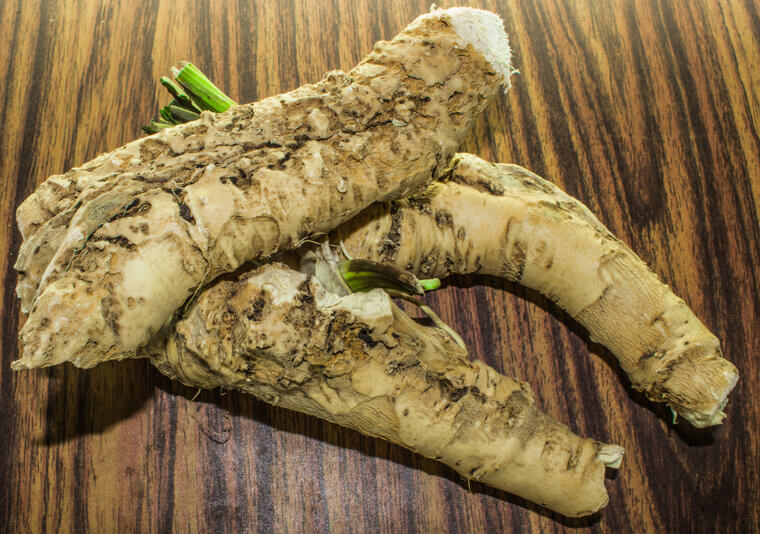
Harvest the roots in late fall after the first few frosts, as the cold weather is said to improve the flavor and "kick" of this traditional root.
Dolls of the Maryland Brick Walls: The "Cottage Garden" Maroon Hollyhocks
These towering flowers were a staple against the brick walls of the traveler's childhood home in Maryland. They feature large, saucer-shaped blooms in shades of deep maroon that she used to make into "dolls" as a little girl. Hollyhocks are classic "pass-along" plants, with seeds easily shared between neighbors. They are technically biennials, meaning they grow leaves the first year and bloom the second.
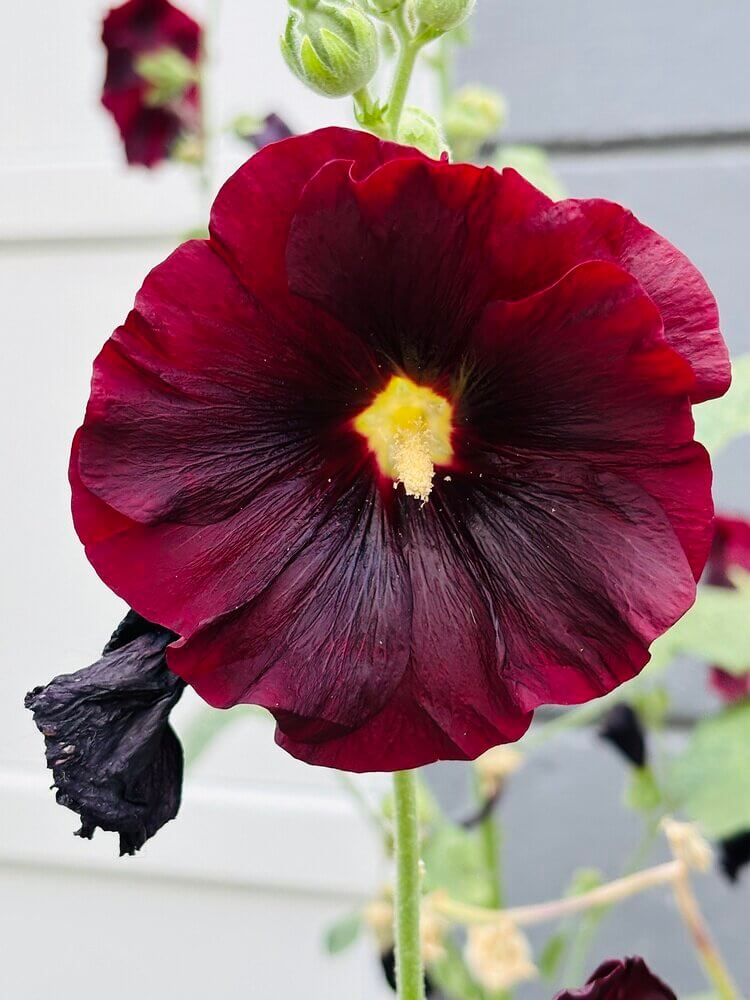
To keep them looking tidy, provide a tall stake for support against summer winds. They are also famous for attracting beautiful butterflies and hummingbirds, bringing life to any heritage garden.
Oregon’s Magic Roots: The Two-Toned "Midnight" Deep Purple Carrots
She rediscovered these unusual carrots in a family garden in Oregon; they date back to a time before orange became the standard color for the vegetable. Her mother used to call them "magic carrots" because of their dark purple exterior and bright orange core. They are reportedly sweeter and more peppery than standard varieties. To grow straight, long carrots, it is essential to have loose, sandy soil free of rocks.
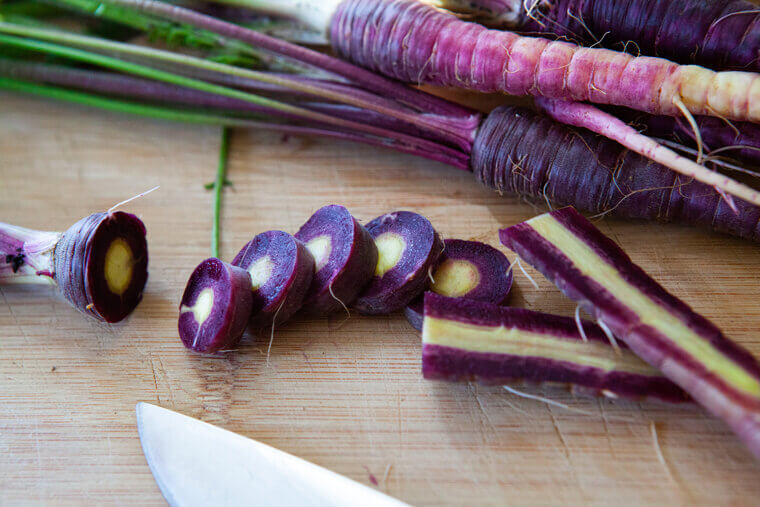
Sowing the seeds thinly and then thinning the young plants to three inches apart will give the roots the room they need to expand into their full potential.
A Nordic Giant in Minnesota: The "Old World" Tall Scandinavian Dill
This dill was grown from seeds brought from Scandinavia by the woman's great-grandmother and planted in Minnesota. It grows taller and more robust than typical store-bought seeds, often reaching five feet in height, just as it did in the background of all her old family photos. The large flower heads are perfect for making traditional pickles. Dill is a favorite food source for the caterpillars of the Black Swallowtail butterfly, so she always plants extra.
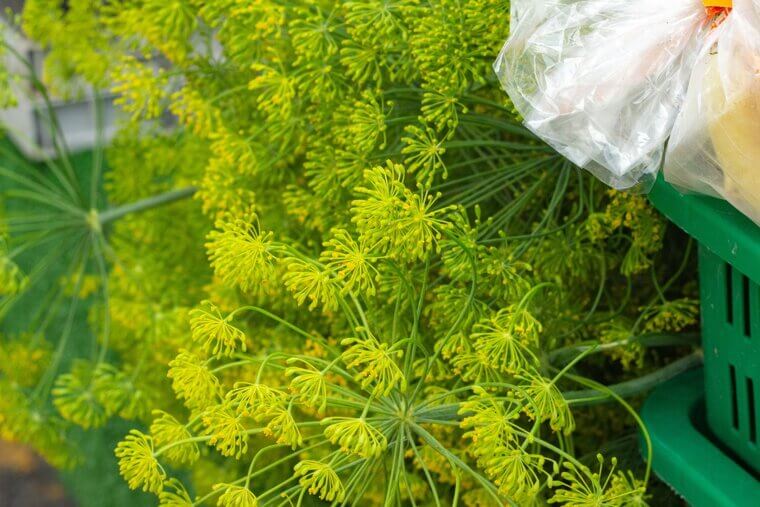
To ensure a continuous supply of fresh leaves, sow a new batch of seeds every few weeks throughout the spring.
Georgia’s Heat-Defying Rainbow: The "Summer Porch" Long-Stemmed Zinnias
These cheerful, multicolored zinnias were the pride of the woman's mother’s backyard in Georgia. They are known for their incredibly long stems and ability to withstand the intense heat of the South. The colors range from vibrant oranges to the soft pinks her mother loved so much. They are one of the easiest flowers to grow from seed, making them perfect for sharing with grandchildren. For the best display, plant them in full sun and "deadhead" the old blooms regularly.
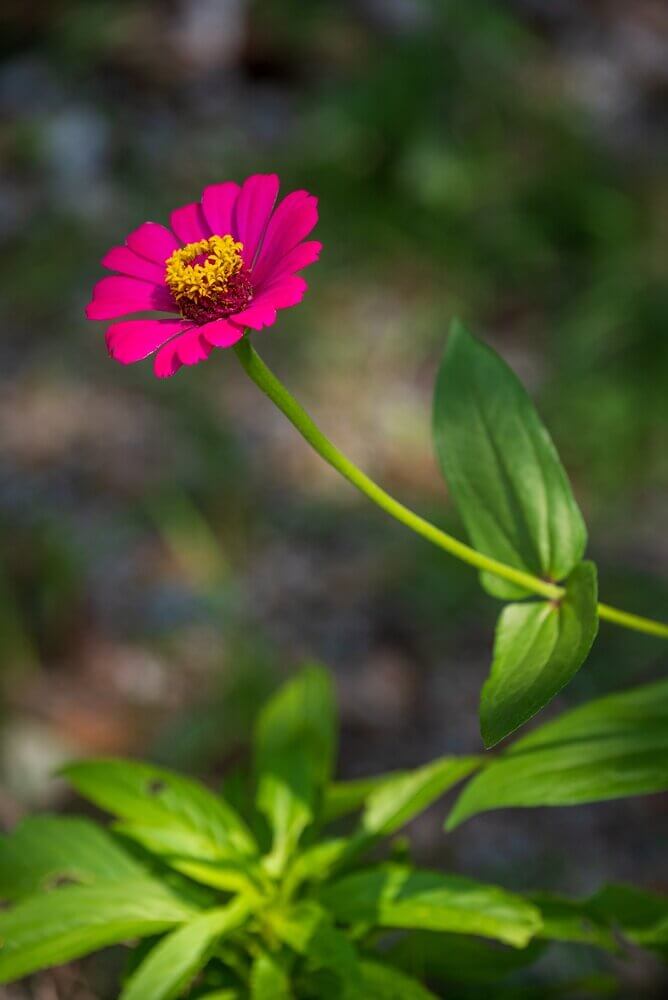
This encourages the plant to keep producing new flowers, providing a constant supply of happy, vibrant bouquets.
Sentinels of the Kansas Plains: The Branching "Prairie Gold" Sunflowers
These are smaller, multi-branching sunflowers she found near an old family homestead in Kansas. They produce dozens of bright yellow flowers on a single plant, providing a massive amount of nectar for bees, just as they did for the pioneers. They were reportedly used by the family's ancestors to mark the boundaries of their property. Because they are so hardy, they can grow in relatively poor soil with very little water.
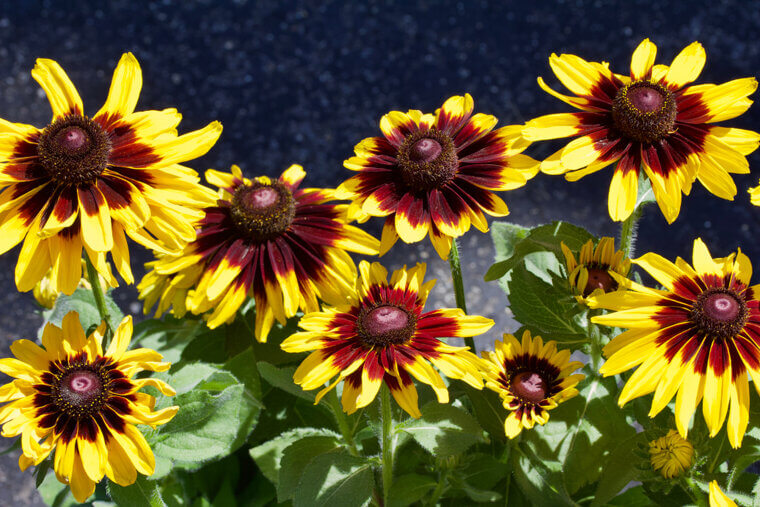
They look best when planted in large groups, creating a sea of gold that sways beautifully in the wind, evoking the feeling of the open plains.
South Carolina Summer Afternoons: The Sweet "Family Reunion" Watermelon
This heirloom watermelon was once the star of large outdoor gatherings in South Carolina. It is a large, oblong fruit with an incredibly sweet, ruby-red interior that tastes like a humid summer afternoon. These seeds were reportedly saved from the biggest melon of each year’s harvest for over fifty years. Watermelons need a lot of space and a long, hot growing season. But how do you know when it's ready to harvest?
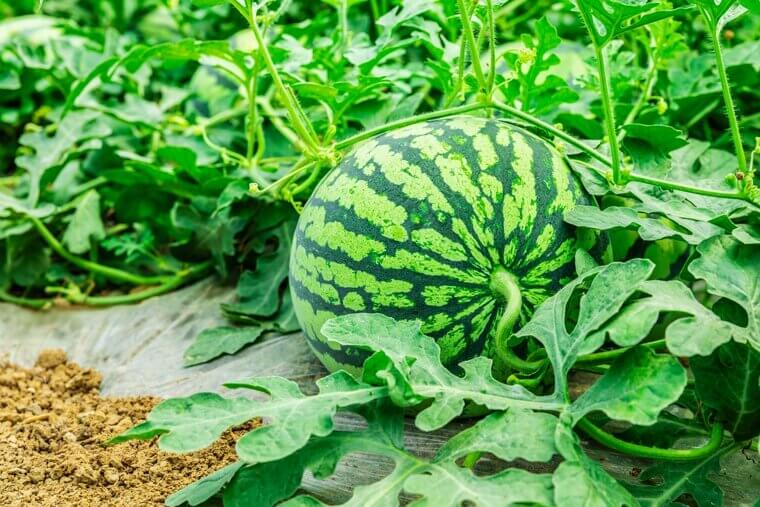
To tell when it is ready to harvest, look for the small tendril nearest the fruit to turn brown and dry, and listen for a dull "thud" when the melon is given a gentle tap.
The Bumpy Sentinel of Maine: The "Winter Cellar" Blue-Gray Hubbard Squash
The traveler found these seeds in a root cellar in rural Maine, belonging to a great-uncle she barely remembered. These seeds produce a large, blue-gray squash with a bumpy skin that was prized for its ability to keep all winter long. The flesh is a deep orange and is perfect for roasting or using in traditional family pies. Because the vines are quite large, she grows them at the edge of her garden where they can sprawl.
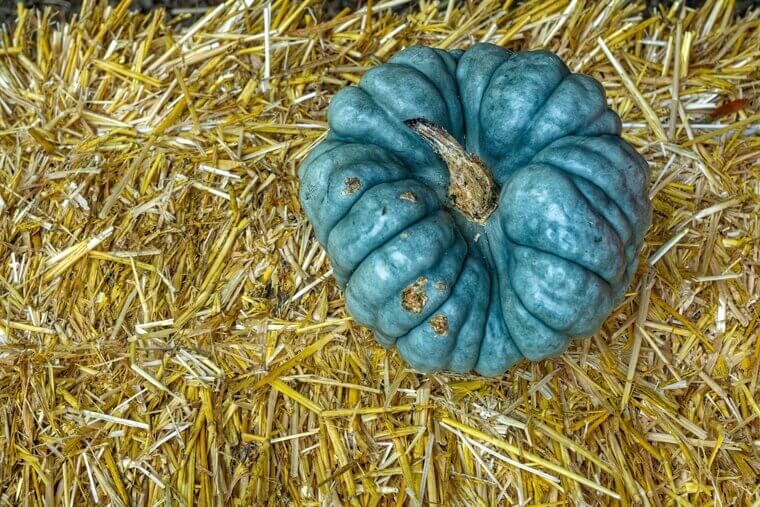
The tough skin protects the squash from light frosts, but they should be harvested before a hard freeze occurs for proper storage.
Twilight Fragrance in New Mexico: The "Evening Star" Potted Four O'Clocks
These unique flowers were a favorite in a New Mexico garden because they only open their blossoms in the late afternoon. They emit a sweet, citrus-like fragrance that is particularly strong at dusk, the time when the woman's family used to sit and talk. The seeds are large and black and were reportedly collected by a grandmother who loved the twilight hours. These plants form a large tuber underground, which can be dug up and stored over winter.
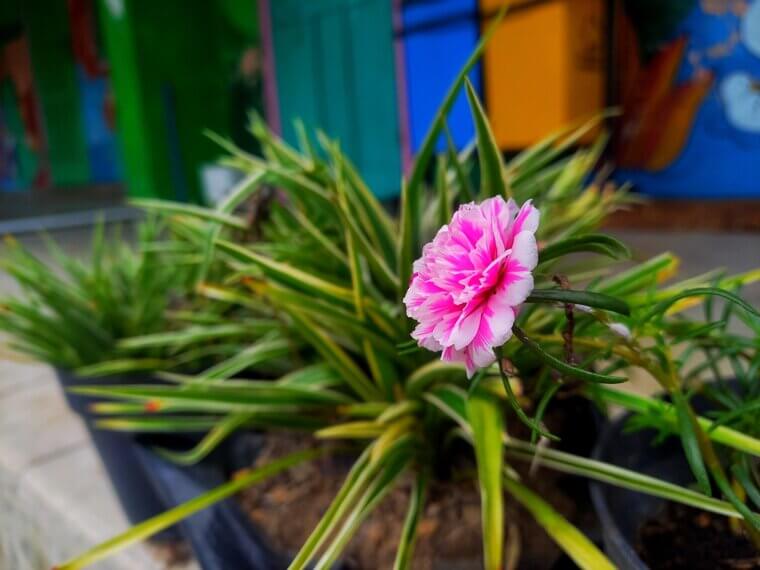
They are incredibly easy to grow and will often self-seed, ensuring they return to the heritage garden every year.
Pennsylvania Church Flowers: The "Sunday Best" Fragrant White Peonies
These stunning peonies were transplanted from a family home in Pennsylvania that dates back to the early 1900s. The flowers are massive and white with just a hint of crimson, exactly like the ones her mother pinned to her dress for church. Peonies are famous for their longevity, often outliving the gardeners who plant them. They prefer a spot with full sun and protection from wind. One important heritage tip is to avoid planting them too deep.
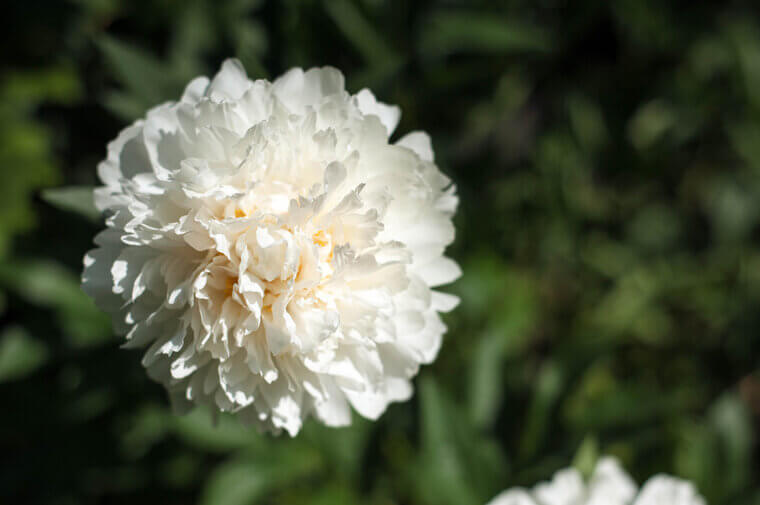
The buds on the roots should be no more than two inches below the soil surface to ensure blooms.
The North Dakota Crust Secret: The "Kitchen Garden" Tart Red Rhubarb
The woman's rhubarb patch was started from a crown taken from her mother's garden in North Dakota over forty years ago. It produces thick, red stalks that have the perfect tartness for the crumbles they used to bake together. Rhubarb is a perennial, coming back every year with very little effort. It is reportedly best to wait until the plant is three years old before you start harvesting heavily to ensure the root system is well-established.
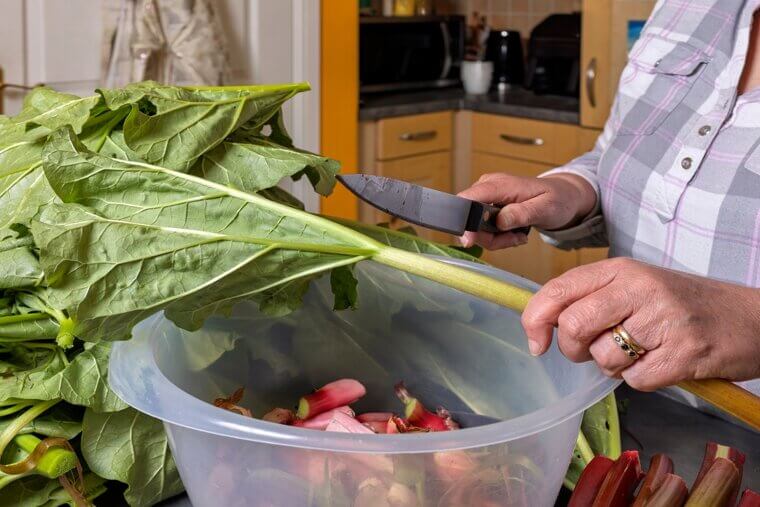
Always remember to discard the leaves, as they are not safe to eat, though they make great additions to your compost pile.
The "Border Fence" Sweet Alyssum
This tiny, honey-scented flower was found along the edges of a garden path in a small town in Washington where she lived as a young bride. It forms a low-growing carpet of white blossoms that bloom until the first hard frost. It was traditionally used to "soften" the edges of stone walls. Alyssum is popular with beneficial insects like hoverflies, which help control garden pests naturally.
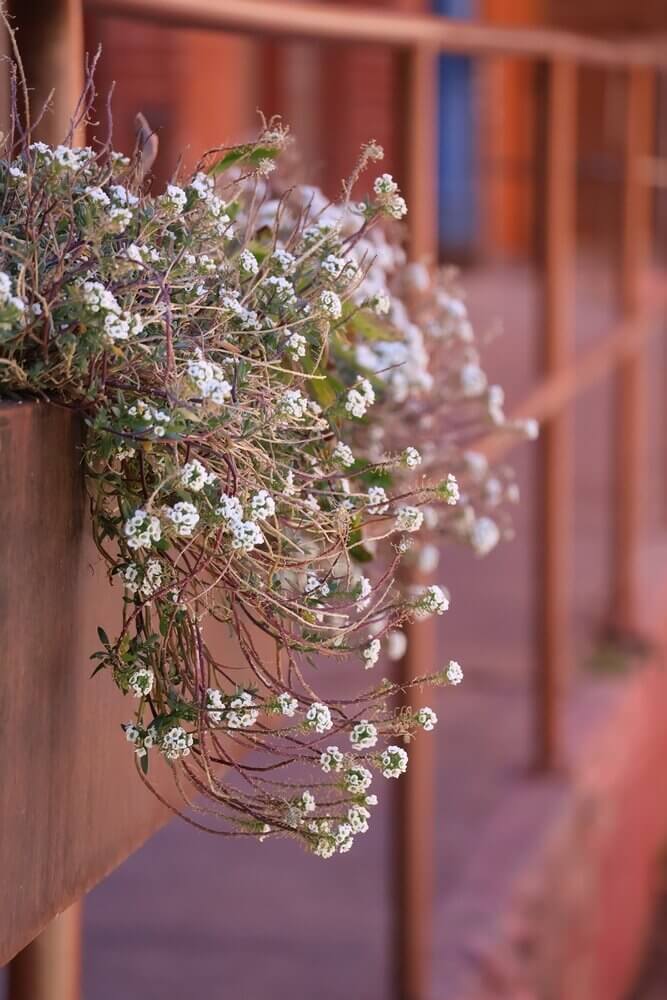
It is a very easy plant to grow from seed and will often "volunteer" in the cracks of sidewalks, adding a touch of unplanned beauty to the most functional areas of the yard.
The Desk of the Illinois Homestead: The "Legacy" Thick-Speared Green Asparagus
This asparagus bed was started from seeds found in an old envelope in her grandfather's desk in Illinois. It takes a few years for asparagus to reach full production, but once it does, it can provide a harvest for twenty years or more, representing a true garden legacy. This heritage variety is known for its thick, tender spears. To grow it successfully, one must have patience and keep the bed free of weeds.
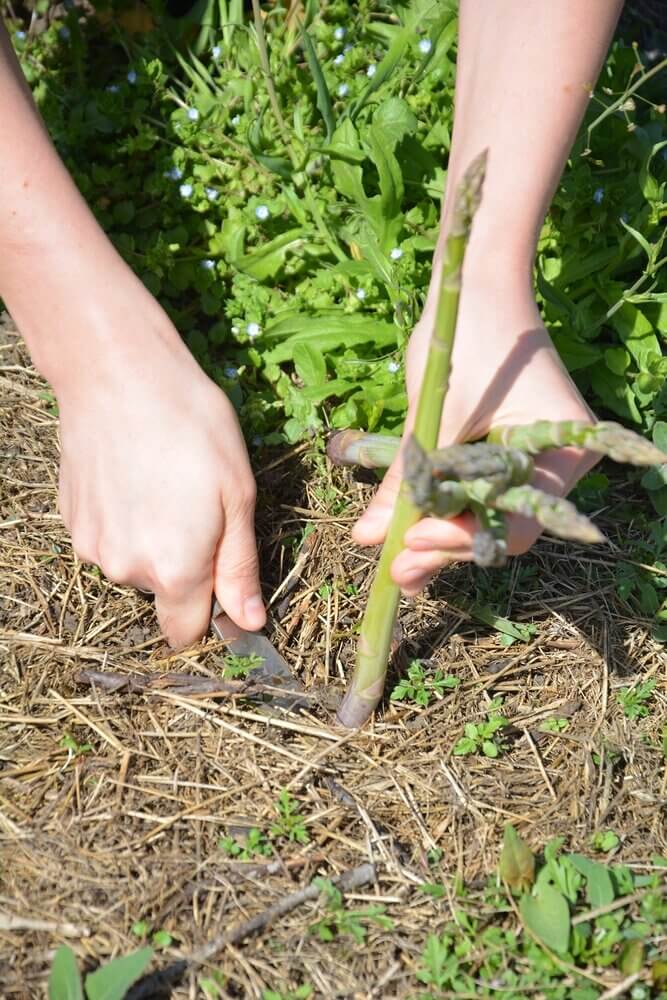
In the fall, allow the ferns to turn yellow and die back naturally before cutting them down, as this helps the plant store energy for the spring.
Letters From a Chicago Apartment: The "Porch Pot" Edible Peppery Nasturtiums
These vibrant flowers were grown in pots on the balcony of her first apartment in Chicago, using seeds her mother sent in a letter. Both the leaves and the flowers are edible, offering a peppery flavor that she still loves in her salads today. These seeds were passed down because of the plant’s ability to thrive even in poor soil with very little care. In fact, giving them too much fertilizer will actually result in more leaves and fewer flowers.
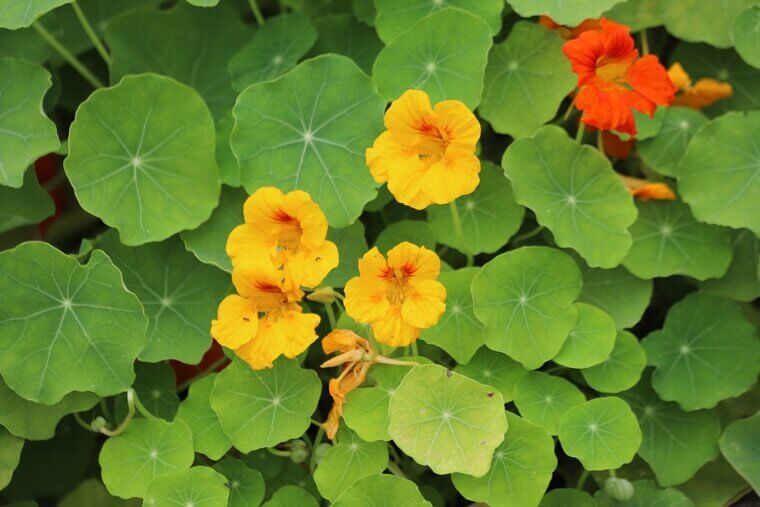
They are wonderful for trailing over the edges of containers, providing a splash of edible color to a patio.
A Third-Generation Arizona Gift: The "Ancestral" Earthy Purple-Spiked Sage
The journey ended with a cutting of a sage bush that has been in her family garden in Arizona for three generations. It has soft, silvery-green leaves and an earthy flavor that she uses every Thanksgiving to season the stuffing, just as her mother taught her. It is incredibly drought-tolerant and produces beautiful purple flower spikes in the summer. To keep the plant from becoming too woody, it is reportedly best to prune it back by about a third every spring.
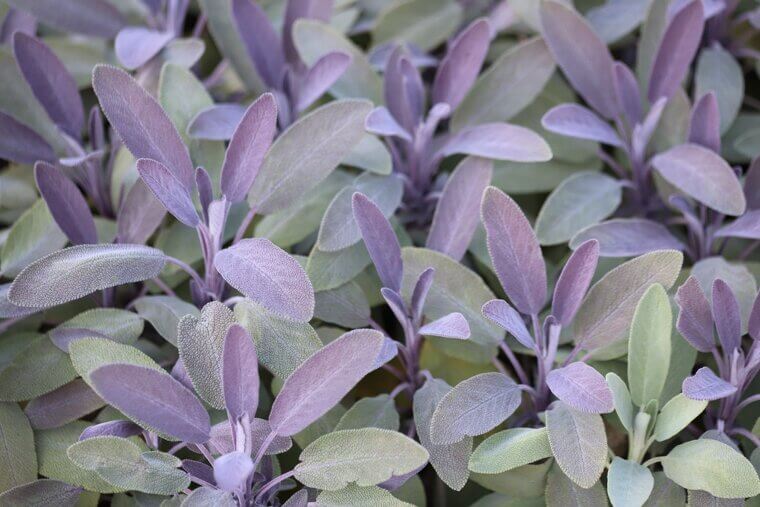
This encourages fresh growth that is perfect for seasoning or making a soothing, ancestral herbal tea.