
The Potassium Punch: Burying Banana Peels Beneath Your Roses
Grandma never tossed a banana peel in the trash; she knew they were "rose food" in disguise. These peels are packed with potassium, a vital nutrient that helps roses develop a strong immune system and promotes vibrant, hearty blooms. By chopping the peels and burying them about an inch deep at the base of the bush, you allow them to decompose slowly, releasing minerals directly to the roots.
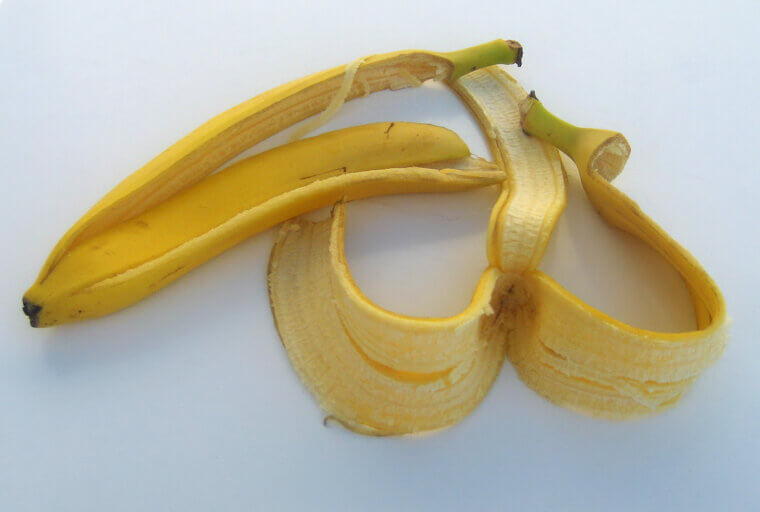
Unlike chemical spikes, this organic method improves soil structure over time. It’s a gentle, sustained way to ensure your garden's stars stay healthy and resilient all season long.
The Epsom Salt Spark: Igniting Growth in Pepper Plants
If your bell peppers seem a bit sluggish, a sprinkle of magnesium might be the cure. Epsom salt is actually magnesium sulfate, which is essential for chlorophyll production and seed germination. Grandma would often add a tablespoon to the hole before planting or create a foliar spray to mist the leaves. This trick reportedly helps the plant absorb other nutrients like nitrogen and phosphorus more efficiently.
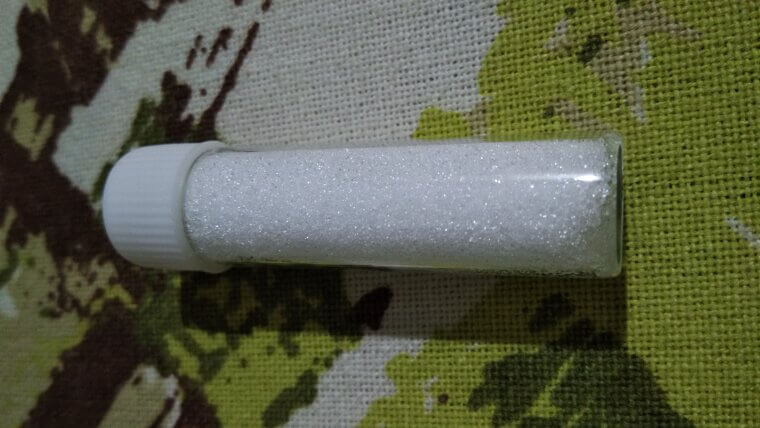
The result is often a sturdier plant with darker green leaves and a much more prolific harvest of crisp, spicy, or sweet peppers for your table.
The Calcium Shield: Crushed Eggshells to Thwart Slimy Slugs
Slugs and snails can decimate a hosta bed overnight, but Grandma had a sharp solution. Instead of using harsh pellets, she saved every eggshell, dried them out, and crushed them into jagged shards. When spread in a thick circle around vulnerable plants, these shells act like a bed of nails for soft-bodied pests. Beyond the physical barrier, the shells eventually break down, adding much-needed calcium to the soil.
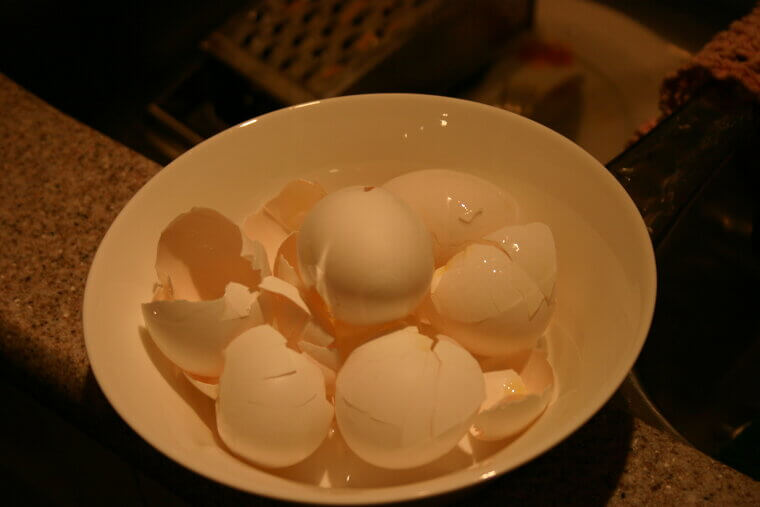
This prevents blossom end rot in tomatoes and peppers, making it a dual-purpose hack that protects and nourishes simultaneously without any chemicals.
The Penny Pincher’s Protection: Copper Cures for Fungal Woes
Before modern fungicides, gardeners relied on the natural properties of metals. Grandma might have buried a few older, high-copper-content pennies near her tomato plants or wrapped a bit of copper wire around a wooden stake. The theory is that as moisture hits the copper, tiny amounts of copper ions are released into the soil or onto the plant, which allegedly helps prevent common fungal diseases like blight or powdery mildew.
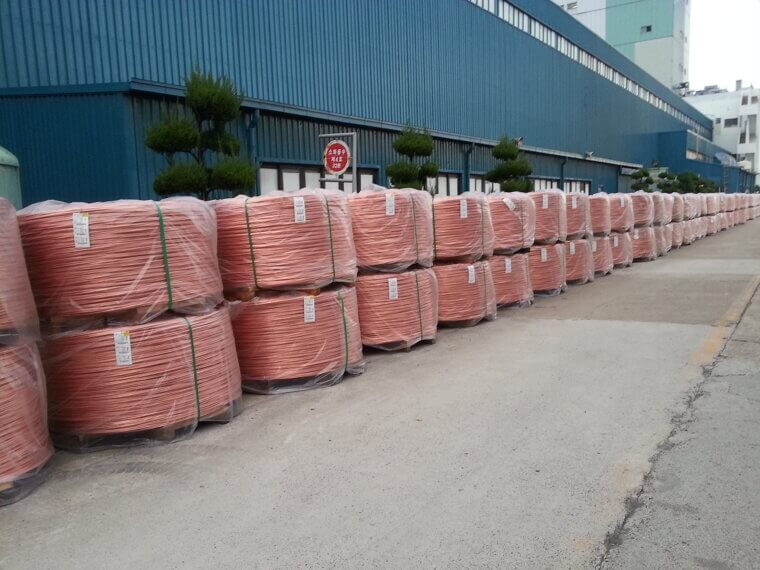
While not a guaranteed cure-all, many old-timers swear by this method for keeping their heirloom tomatoes standing tall and spot-free during the humid summer.
The Infinite Bloom: Mastering the Art of "Deadheading"
To the untrained eye, snipping off fading flowers seems like a chore, but Grandma knew it was the secret to a double bloom. When a plant begins to wither, it puts all its energy into creating seeds for reproduction. By "deadheading"—pinching off the spent flower head just above the first set of full leaves—you trick the plant into thinking it hasn't finished its job yet. It will redirect its energy into producing more buds.
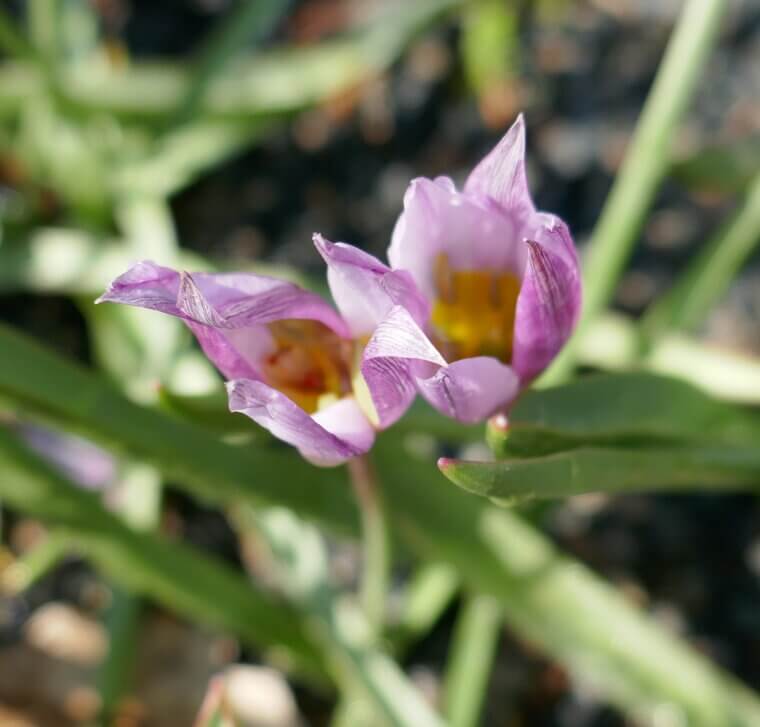
This simple snip keeps your marigolds, zinnias, and petunias looking lush and vibrant well into the late autumn months.
The Chamomile Cold Cure: Preventing "Damping Off" in Seedlings
There is nothing more heartbreaking than watching a tray of new seedlings suddenly collapse and die. This is often "damping off," a fungal issue. Grandma’s remedy was a weak batch of chamomile tea. Chamomile has natural antifungal properties that are gentle enough for delicate sprouts. Once the tea has cooled completely, use it to mist your seedlings or water them from the bottom. This organic "medicine" helps strengthen the stems.
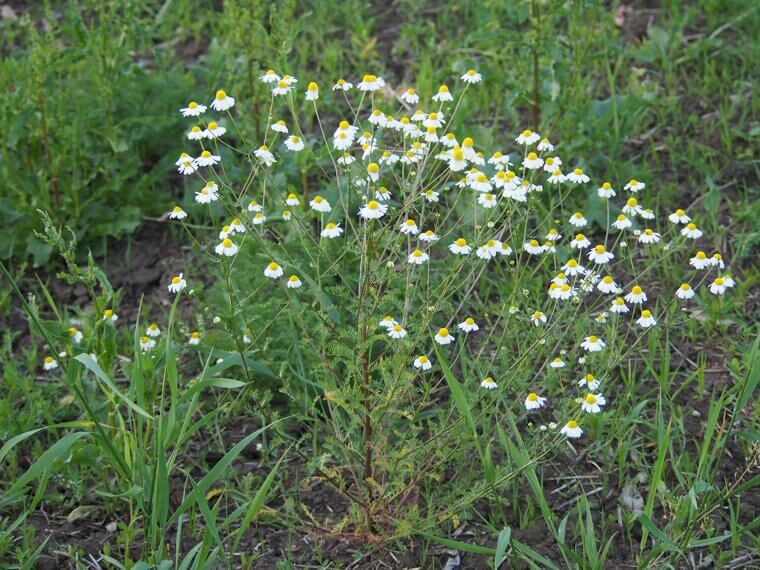
And keeps the soil surface clear of harmful molds, ensuring your young plants make it safely from the windowsill to the garden bed.
The Cinnamon Sanitizer: Healing Pruning Wounds and Cuttings
Cinnamon isn't just for toast; it’s a powerful natural ally in the greenhouse. Whenever Grandma took a cutting from a favorite geranium or accidentally nicked a stem while pruning, she would dab the "wound" with a bit of ground cinnamon. Cinnamon is a natural fungicide and antibacterial agent that prevents pathogens from entering the plant’s system. It also reportedly encourages root growth in new cuttings.
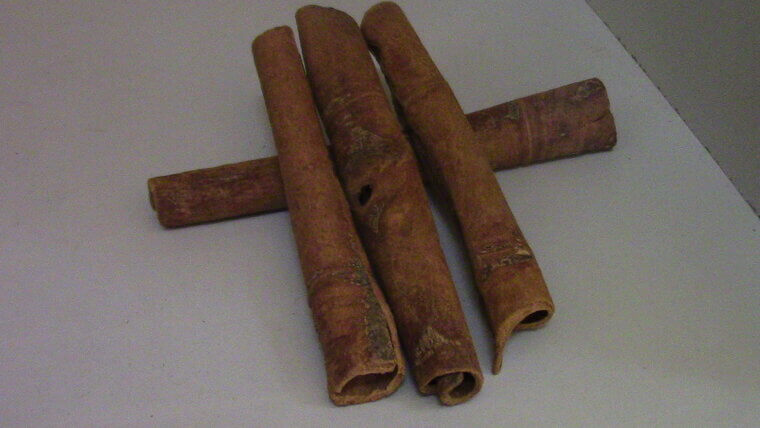
It’s a fragrant, safe, and effective way to ensure your plants heal quickly and stay healthy, avoiding the need for expensive, synthetic rooting hormones or sealing waxes.
The Coffee Ground Kick: Energizing Acid-Loving Soil
Your morning cup of joe can do more than just wake you up; the leftover grounds are a treasure for the garden. Grandma would scatter used coffee grounds around her blueberries, azaleas, and hydrangeas to slightly lower the soil's pH. As the grounds decompose, they add nitrogen and improve the soil's drainage and aeration. Interestingly, earthworms are reportedly quite fond of coffee grounds, and they will flock to the area.
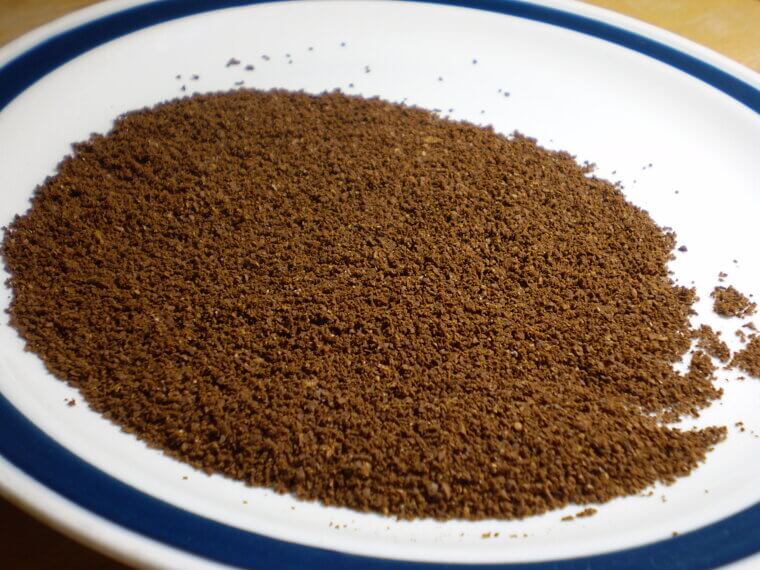
That further tills the soil for you. It’s a wonderful way to recycle kitchen waste while giving your acid-loving perennials a gentle, organic boost.
The Baking Soda Secret: Sweetening Your Tomato Harvest
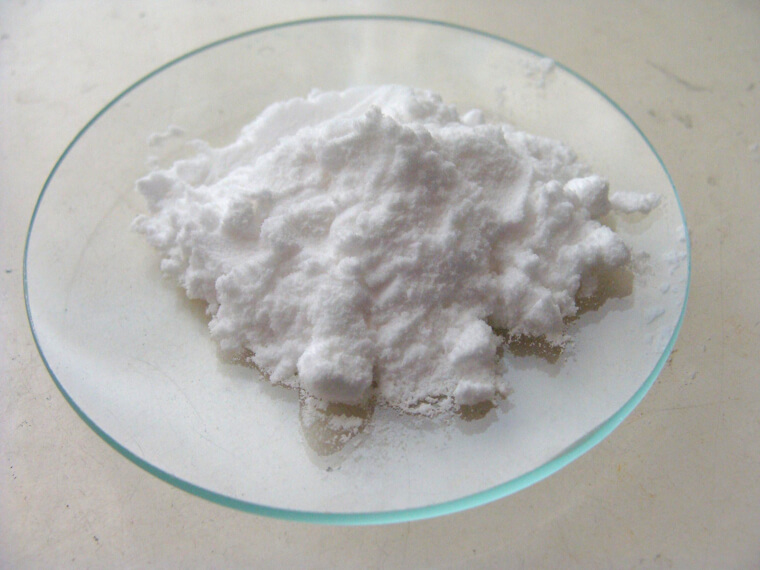
If you find your homegrown tomatoes are a bit too tart, Grandma had a kitchen-cupboard trick to fix the flavor. By lightly dusting a small amount of baking soda on the soil around the base of your tomato plants (avoiding the plant itself), you can allegedly lower the acidity of the fruit. The baking soda is absorbed by the plant and works to balance the pH levels, resulting in a much sweeter, more "old-fashioned" tomato taste.
It’s a subtle change that makes a world of difference when you’re slicing them up for a fresh summer salad.
The Molasses Magic: Feeding the "Good" Microbes
Grandma knew that healthy soil is alive, and like any living thing, it needs a treat. Unsulphured blackstrap molasses is a dense source of carbon, iron, and B-vitamins. When diluted in water and applied to the garden, it acts as a "prebiotic" for the beneficial bacteria and fungi in the dirt. These microbes break down organic matter more quickly, making nutrients more available to your plants. This reportedly results in faster growth.
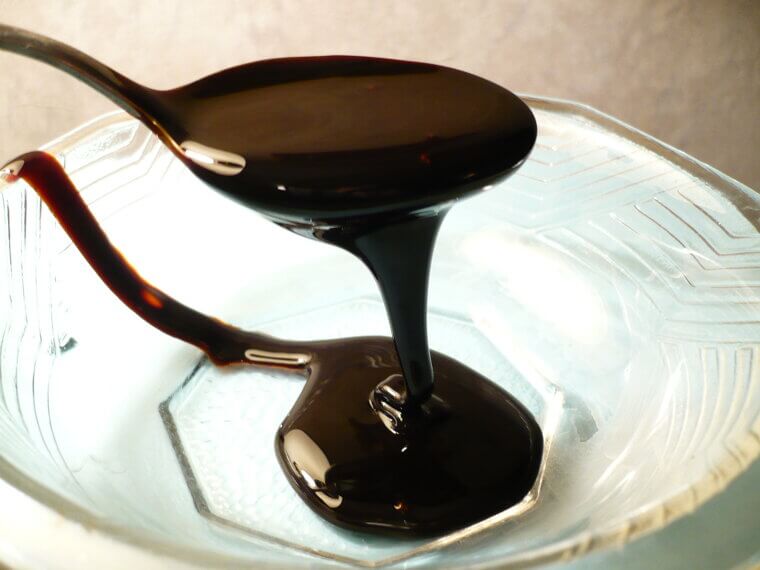
And results in increased pest resistance. It’s a sweet way to build long-term soil health that pays dividends in bigger, better blooms every single year.
The Cardboard Carpet: Smothering Weeds Without the Ache
Weeding can be back-breaking work, but Grandma preferred to let gravity and darkness do the job for her. She would lay down plain brown cardboard (with the tape removed) over a new garden plot or between rows, then cover it with a thick layer of mulch. This "sheet mulching" method effectively smothers existing weeds and prevents new seeds from germinating by blocking all sunlight. Over the season, the cardboard decomposes.
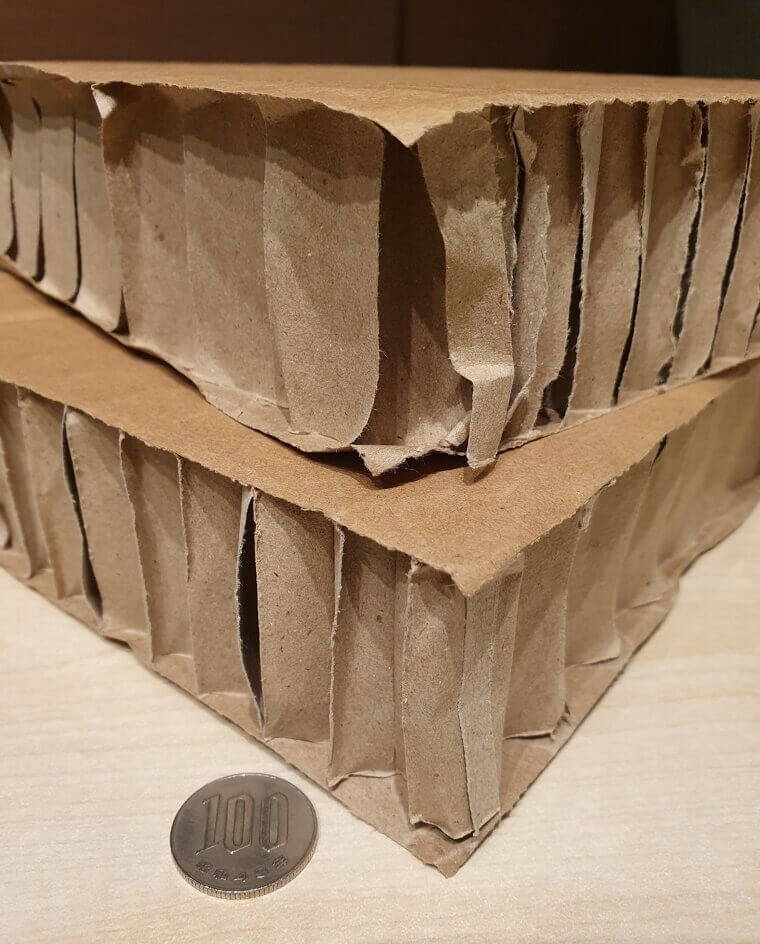
And that adds an organic matter back into the earth and attracting earthworms. It turns a chore into a passive process, leaving the soil rich, moist, and weed-free.
The Hair Brush Harvest: Using Human Hair as Deer Deterrent
If deer are treating your garden like an all-you-can-eat buffet, Grandma had a quirky but effective solution. She would save hair from her hairbrush or visit the local barbershop for clippings. By placing clumps of hair in mesh bags and hanging them from tree branches or scattering them around the perimeter, she created a scent barrier. Deer are incredibly sensitive to the scent of humans, and the presence of hair allegedly signals that a predator is nearby.
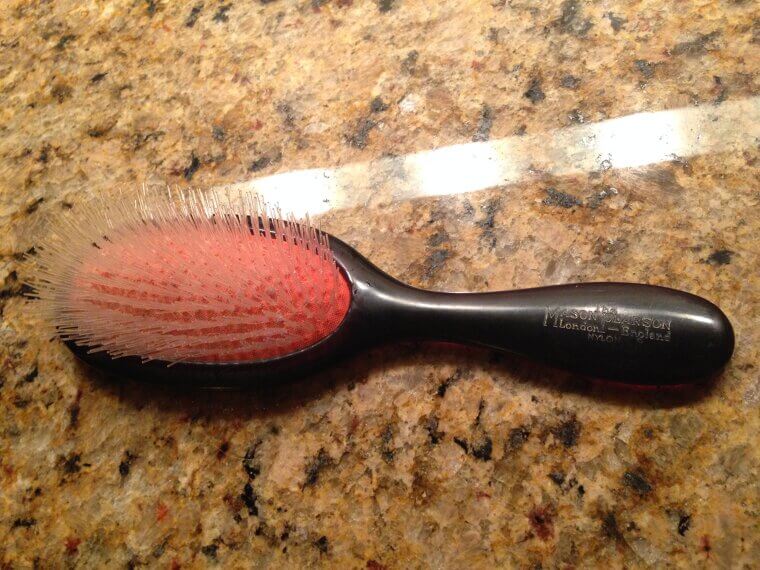
It’s a humane, scent-based deterrent that helps keep your prized lilies and hostas safe from hungry nighttime visitors.
The Newspaper Nursery: Biodegradable Pots for Sensitive Roots
Certain plants, like cucumbers and poppies, hate having their roots disturbed during transplanting. Grandma’s solution was to make her own "pots" out of black-and-white newspaper. By rolling strips of paper around a glass and folding the bottom, she created a sturdy little vessel for seeds. When it was time to move them into the garden, she buried the entire paper pot. The newsprint decomposes quickly in the moist soil.

And that allows the roots to grow right through it without any "transplant shock." It’s an eco-friendly, zero-cost way to ensure your most sensitive seedlings thrive after moving outdoors.
The Aspirin Assist: Boosting the Plant’s Immune System
It turns out that what helps your headache might also help your tomatoes. Salicylic acid, the active ingredient in aspirin, is a compound that plants naturally produce when they are under stress. Grandma would dissolve one uncoated aspirin in a gallon of water and spray her plants every few weeks. This reportedly triggers a "Systemic Acquired Resistance" (SAR), essentially putting the plant’s immune system on high alert.
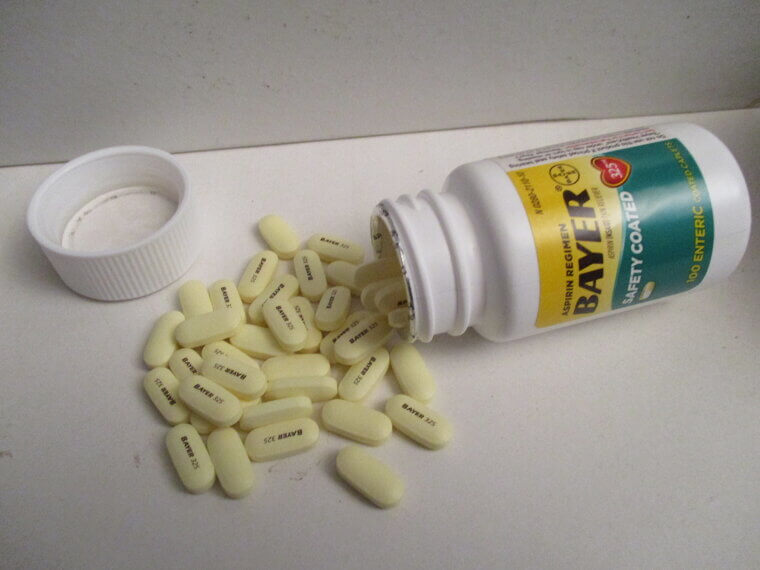
This makes them better equipped to fight off pests, fungus, and even drought. It’s a simple way to help your garden "self-medicate" and stay robust through the summer heat.
The Vinegar Vanquisher: A Natural Way to Clear the Path
Grandma didn't like using harsh chemicals on her driveway or patio cracks, so she reached for the white vinegar. The acetic acid in vinegar acts as a natural desiccant, drawing the moisture out of weed leaves and killing them within hours. For the best results, she would apply it on a hot, sunny day when the sun would help "cook" the unwanted plants. You have to be careful not to get it on your flowers.
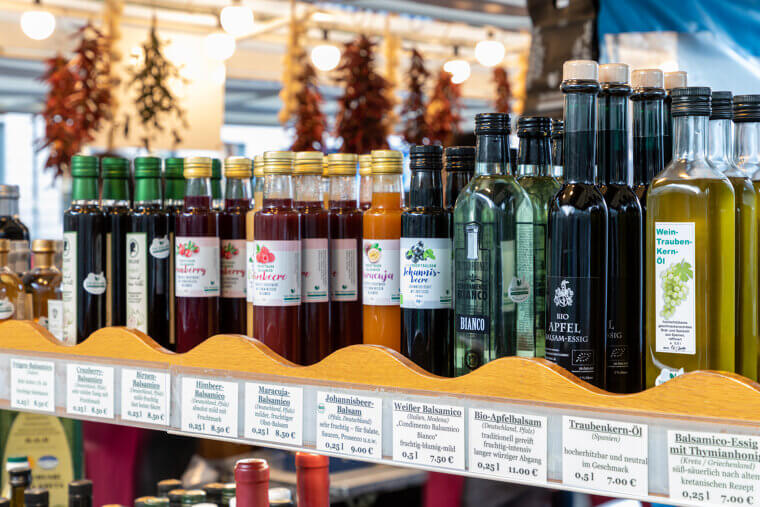
But it’s a brilliant, non-toxic way to keep your walkways looking tidy and pristine without harming the local groundwater or your pets.
The Milk Mist: A Surprising Cure for Mildew
If your squash or cucumber leaves look like they’ve been dusted with flour, you likely have powdery mildew. Instead of a chemical spray, Grandma used a mixture of one part milk to nine parts water. When sprayed on the leaves in bright sunlight, the proteins in the milk reportedly react with the sun to create a natural antiseptic effect that kills the fungi. Many gardeners swear that this works better than commercial products.
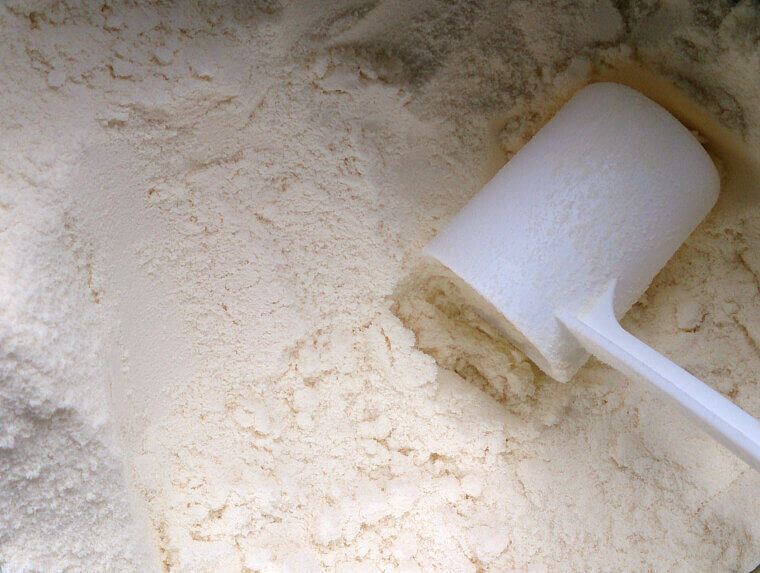
It also provides a small boost of calcium to the plant leaves, helping to strengthen their cellular structure against future infections or environmental stress.
The Rusty Nail Trick: Adding Iron to Your Hydrangeas
If your hydrangea leaves are turning yellow while the veins stay green, they might be suffering from iron deficiency. Grandma’s old-school fix was to bury a few rusty nails or a piece of scrap iron near the roots. As the iron continues to oxidize (rust) in the damp soil, it slowly releases iron oxide, which the plant can eventually absorb. While it’s a slow-release method, it’s a classic example of "waste not, want not."
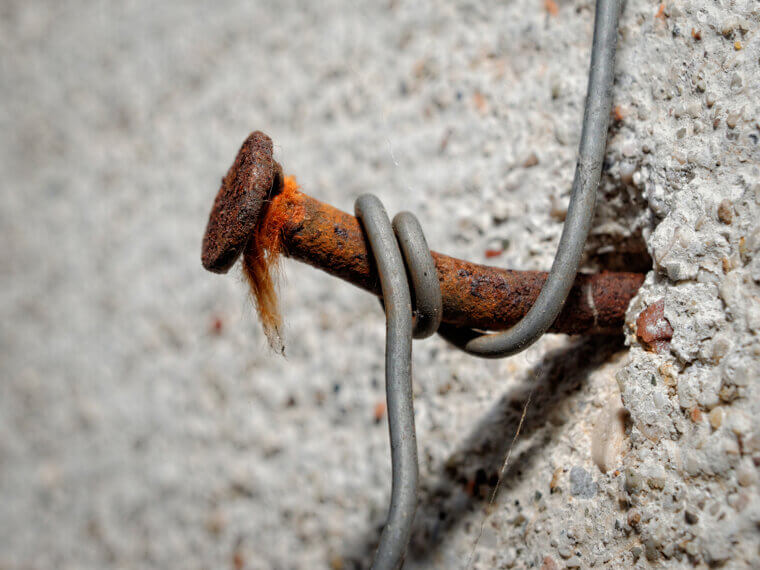
Over time, this helps the plant regain its deep green luster and supports the production of those stunning, large flower heads we all love.
The Matchstick Mineral: Sulfur for Sturdier Onions
Onions and garlic crave sulfur to develop their pungent flavors and strong bulbs. Grandma would often push a couple of wooden matches (the kind with the strike-anywhere tips) into the soil, head-down, near each onion set. The phosphorus and sulfur on the match head dissolve slowly into the ground, providing a targeted "snack" for the growing bulb. This reportedly helps the onions grow larger and stay firmer during storage.
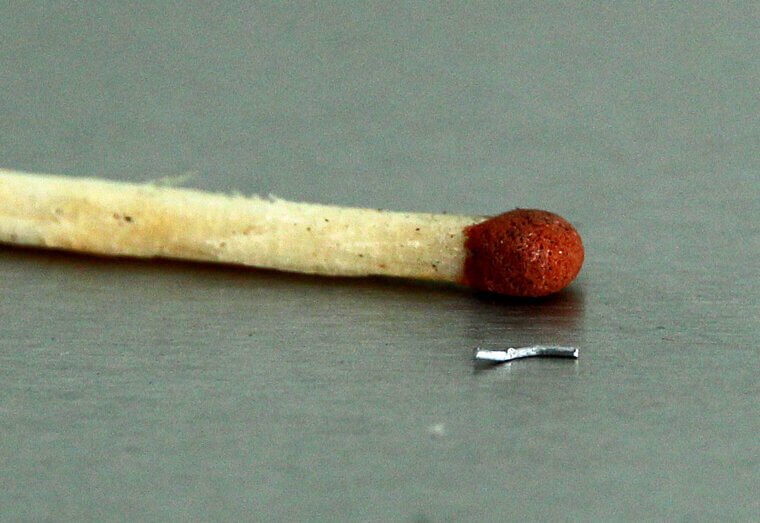
It’s a tiny, inexpensive addition to your garden routine that utilizes common household items to ensure a more flavorful and successful vegetable harvest in the fall.
The Soap Suds Sentry: Keeping Aphids at Bay
Aphids can suck the life out of tender new growth, but Grandma didn't need a pesticide to stop them. A simple spray made of water and a few drops of pure Castile soap (or any non-detergent soap) did the trick. The soap coats the insects and disrupts their ability to breathe, clearing them off your roses or peppers almost instantly. She’d give the plants a good "bath" in the evening when the sun was low to avoid burning the leaves.

It’s a gentle, effective way to manage pests without harming the ladybugs that come to help eat the leftovers.
The Potato Pit: Starting Rose Cuttings With Ease
Starting a new rose bush from a cutting can be tricky, as the stem needs constant moisture without rotting. Grandma’s secret was the humble potato. She would take a healthy rose cutting, dip the end in cinnamon, and poke it into a small hole bored into a raw potato. The potato provides a consistent source of moisture and nutrients as the rose begins to develop its own roots.
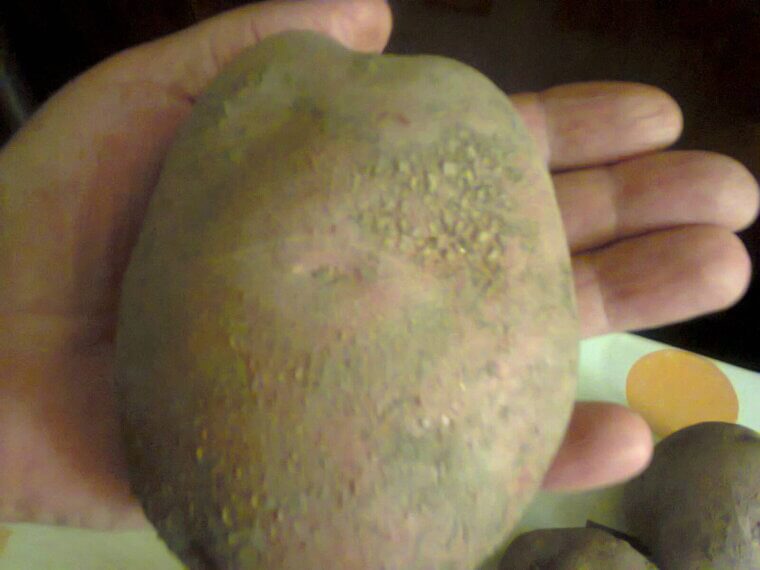
Once the cutting shows signs of new growth, the whole potato can be planted in the ground. It acts as a natural "incubator" that helps difficult-to-root plants get a strong, healthy start.
The Wooly Mulch: Using Raw Wool to Retain Moisture
In areas with hot summers, keeping moisture in the soil is a constant battle. If Grandma lived near a farm, she might use "dagings" or raw, unwashed wool as a mulch. Wool is incredible at absorbing water and releasing it slowly back into the dirt, acting like a natural sponge. Additionally, the lanolin and smell of the raw wool reportedly act as a deterrent for slugs and even some curious rabbits.
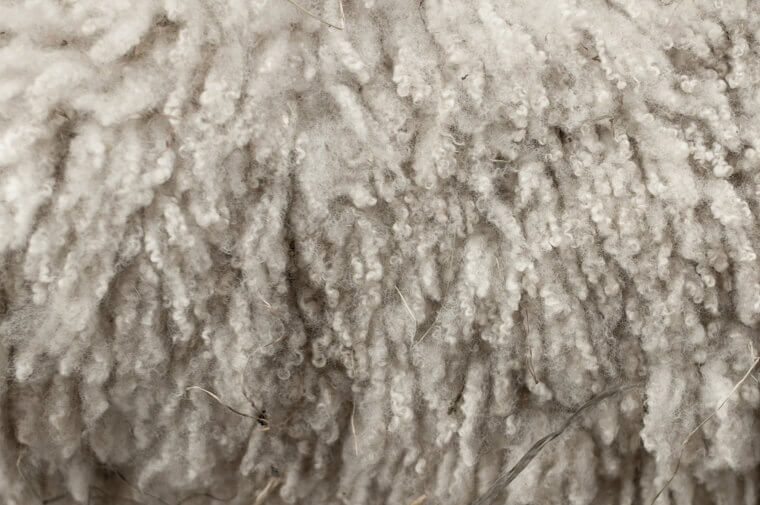
As it eventually breaks down, it adds nitrogen back into the soil, making it a sustainable, multi-tasking mulch that keeps your garden hydrated and well-fed.
The Rice Water Rinse: A Starchy Boost for Houseplants
Whenever Grandma boiled rice, she never poured the water down the drain. Once cooled, this "rice water" is a nutritional powerhouse for both indoor and outdoor plants. It contains traces of nitrogen, phosphorus, and potassium, but more importantly, it is rich in starches that feed the beneficial bacteria in the soil. Using this cloudy water once a week reportedly encourages lush, green foliage and can even stimulate more frequent flowering.
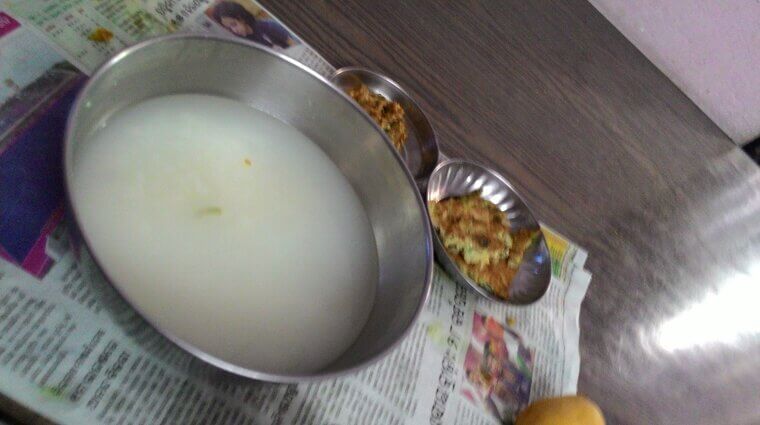
It’s a simple "kitchen-to-garden" cycle that ensures no nutrients go to waste while keeping your potted plants looking their absolute best.
The Garlic Guard: A Smelly Shield Against Pests
Garlic isn't just for the kitchen; its potent scent is a natural repellent for a wide variety of garden pests, including aphids, beetles, and even some small mammals. Grandma would make a "garlic tea" by steeping crushed cloves in boiling water, then straining it into a spray bottle. When applied to the leaves of her favorite perennials, the lingering odor reportedly makes the plants far less appetizing to hungry bugs.
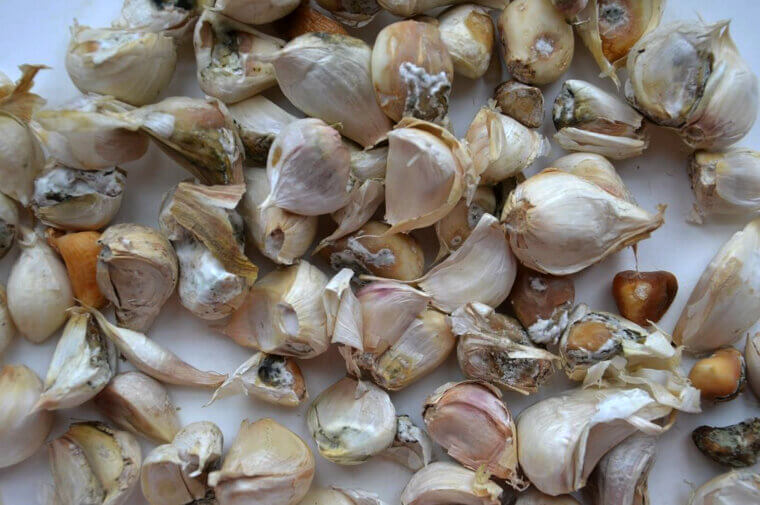
It’s a safe, organic way to protect your garden that doesn't rely on harsh chemicals, though your garden might smell like an Italian kitchen for an afternoon!
The Cooking Water Cocktail: Mineral Wealth From Your Veggies
Just like rice water, the water used to steam or boil vegetables (as long as it’s unsalted) is a liquid gold mine for plants. When you cook broccoli, carrots, or spinach, many of the vitamins and minerals leach into the water. Grandma would let this "veggie soup" cool and use it to water her flower beds. The dissolved minerals provide an immediate, easily absorbable boost to the plants.
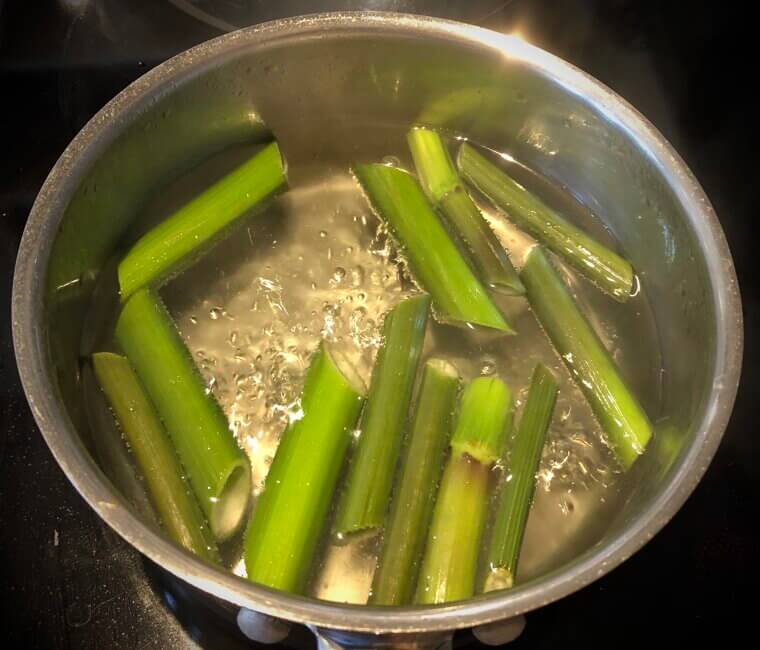
It’s a wonderful habit that reinforces the idea that everything in a household has value, turning a byproduct of dinner into a health tonic for your prize-winning marigolds.
The Oak Leaf Acidifier: Adjusting Soil Color Naturally
If you want your hydrangeas to turn a brilliant blue, you need acidic soil. Grandma knew that oak leaves are naturally high in tannins and acidity. Instead of buying chemical acidifiers, she would collect fallen oak leaves in the autumn, shred them, and use them as a thick mulch around her hydrangeas and blueberries. As the leaves decompose, they slowly lower the soil’s pH.
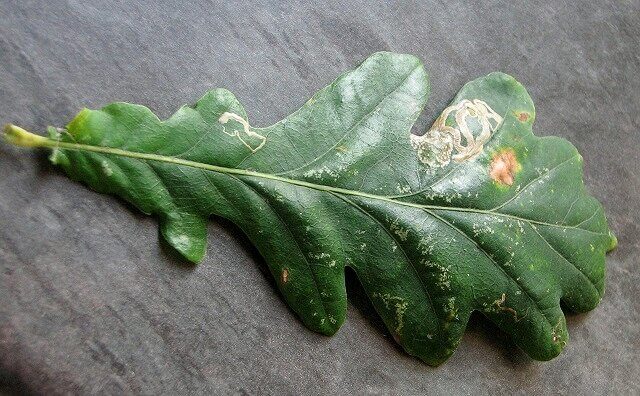
This organic process reportedly results in those deep, electric blue blooms that are the envy of the neighborhood, all while providing a cozy winter blanket for the plant's root system.
The Tall Stake Trick: Giving Peas a "Hand" to Climb
Climbing plants like peas and beans need support, but Grandma didn't always buy fancy trellises. She used "pea brush"—long, twiggy branches pruned from fruit trees or shrubs. By sticking these firmly into the ground, she provided a natural, textured surface that the plant’s tiny tendrils could easily grab onto. Unlike smooth plastic or metal poles, the rough bark of the branches is much easier for the plants to navigate.
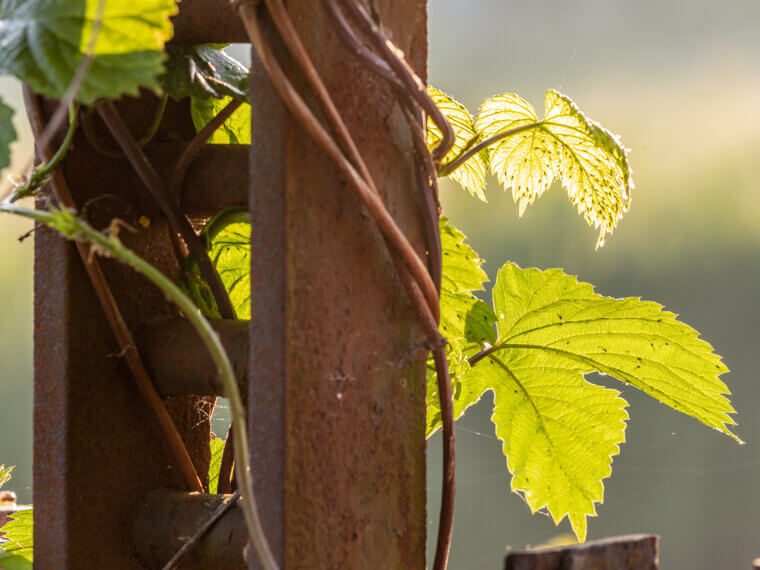
It creates a beautiful, rustic look in the garden and utilizes garden waste in a way that perfectly supports a heavy harvest of fresh, crunchy pods.
The Bubble Wrap Blanket: Extending the Season for Potted Plants
When an unexpected late frost threatened her patio pots, Grandma reached for the bubble wrap. By wrapping the exterior of the pots in several layers of the plastic, she created an insulated air pocket that protected the roots from freezing. For smaller plants, she might even create a "cloche" or dome to trap the earth's natural heat. This simple trick reportedly allows you to start your gardening a few weeks earlier in the spring.
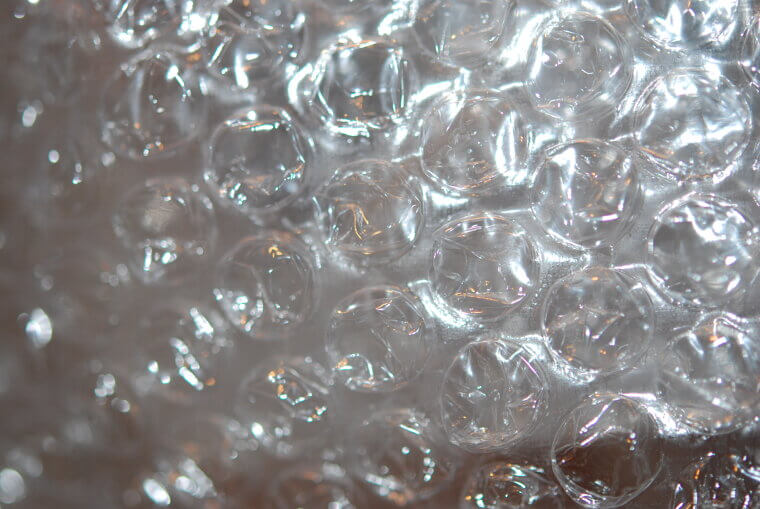
Or it keep your geraniums blooming well into the chilly nights of autumn, effectively "cheating" the local climate by a few degrees.
The Vodka Vase: Keeping Cut Flowers Fresh Longer
Grandma loved having fresh-cut flowers on the dining table, and she had a "spirited" secret to keep them from wilting. By adding a few drops of vodka (or any clear grain alcohol) and a teaspoon of sugar to the vase water, she could reportedly double the life of the blooms. The alcohol acts as an antibacterial agent, preventing the "gunk" that clogs the stems, while the sugar provides a source of energy for the flowers.

It keeps the water clear and the petals perky, allowing you to enjoy the beauty of your garden indoors for much longer.
The Soap Bar Slice: A Scented Barrier for Deer and Rabbits
If you have a persistent deer problem, a strong-smelling bar of soap might be your best friend. Grandma would take a bar of highly fragrant soap (like Irish Spring), cut it into chunks, and place them in small mesh bags. She would hang these from low-hanging branches or stake them near the plants most favored by wildlife. The overwhelming scent reportedly confuses the animals and makes them think the area is "unnatural."
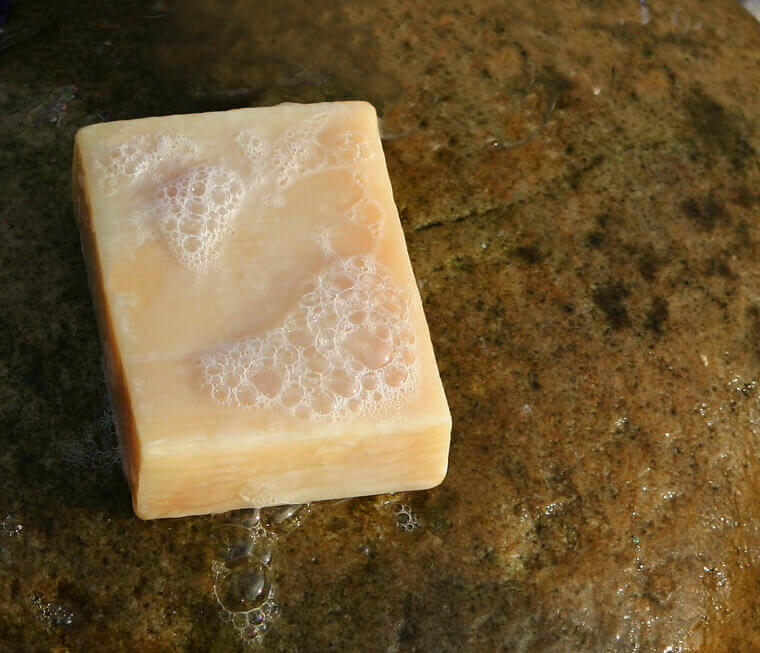
Or makes them think it's already occupied. It’s a low-effort, low-cost way to create a scent-based "no-fly zone" for the critters that want to snack on your tulips.
The Walnut Shell Walkway: A Crunchy Deterrent for Slugs
Similar to eggshells, crushed walnut shells provide a jagged, uncomfortable terrain for soft-bellied garden pests. Grandma would save shells from her winter baking and spread them in a wide perimeter around her hostas and lettuce. The sharp edges are reportedly avoided by slugs and snails, who find the texture impassable. Unlike eggshells, walnut shells take much longer to break down, providing a semi-permanent barrier that also looks quite decorative and earthy.
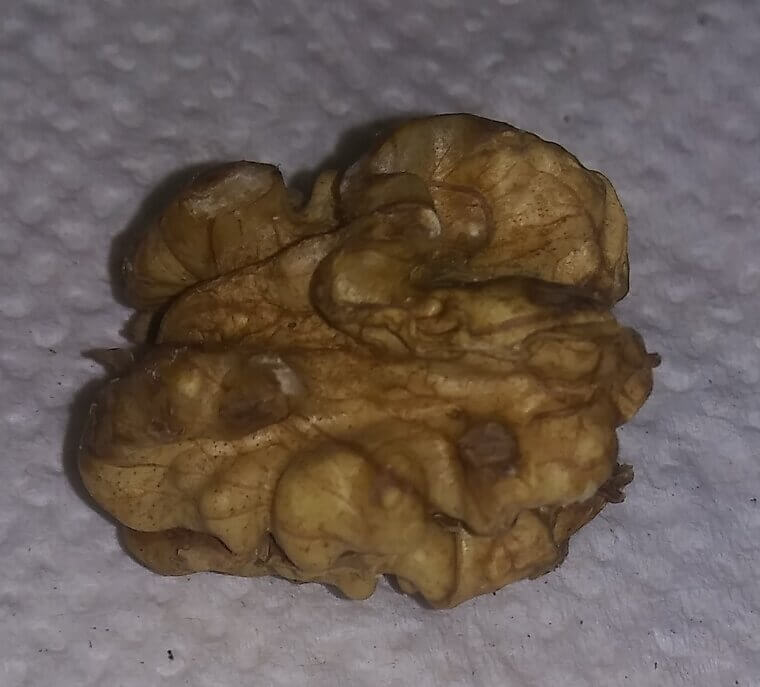
It’s a great way to use a "waste" product to create a chemical-free defense system for your most vulnerable leafy greens.
The Penny in the Birdbath: Keeping Water Clear and Clean
Stagnant water in a birdbath can quickly become a breeding ground for algae and mosquitoes. Grandma’s old-school remedy was to drop a few copper pennies (ideally those minted before 1982 for higher copper content) into the basin. As mentioned before, copper has natural antimicrobial properties. While it won't replace a good scrubbing, it reportedly helps slow down the growth of green algae and keeps the water fresher for the birds.
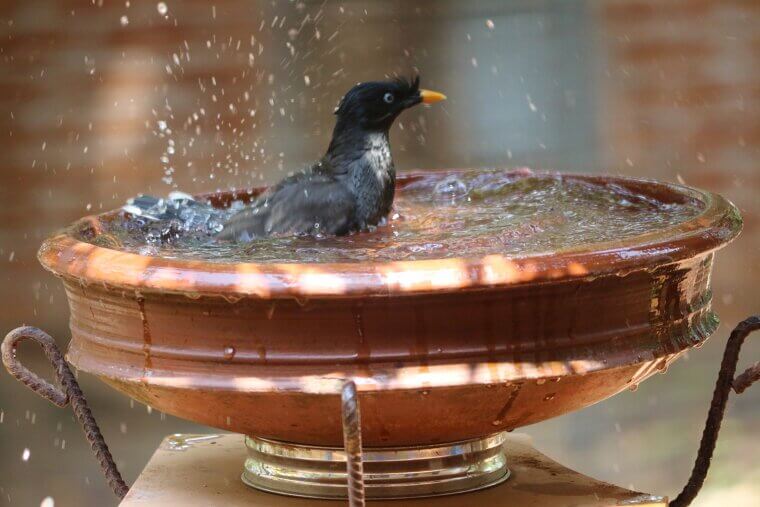
It’s a tiny detail that makes garden maintenance just a little bit easier while keeping your feathered friends happy and healthy all summer long.
The Screwdriver Soil Test: Checking for Deep Hydration
Knowing when to water is an art, but Grandma used a simple tool to be sure: a long flathead screwdriver. She would push the screwdriver into the soil near her plants. If it slid in easily and came out feeling cool or looking damp, the soil was well-hydrated. If she met resistance or the metal came out dry and dusty, she knew it was time to get the hose.
This "probe" method is much more accurate than just looking at the surface, as it tells you exactly what’s happening down where the roots are actually thirsty.
The Tea Bag Tonic: A Gentle Fertilizer for Ferns
Ferns love a bit of acidity and plenty of organic matter. Grandma would never throw away her used tea bags; instead, she’d open them up and scratch the damp leaves into the soil of her potted ferns. The tannic acid in the tea reportedly helps maintain the slightly acidic environment that ferns crave, while the leaves provide a very gentle, slow-release dose of nitrogen. It’s a subtle way to mimic the forest floor.
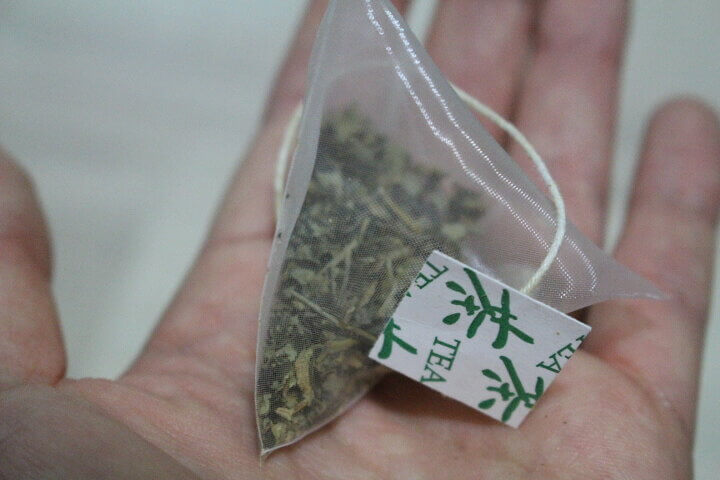
And that's where these plants naturally thrive, ensuring your indoor or porch ferns stay lush, green, and wonderfully "feathery" throughout the year.
The Cornmeal Cure: Controlling Ants and Fungus Naturally
Grandma often kept a bag of cornmeal in her garden shed. When sprinkled around the base of plants, cornmeal reportedly acts as a natural fungicide. Even more interesting is its effect on ants. While ants are attracted to the cornmeal and will eat it, they allegedly cannot digest it, which eventually leads to a reduction in the colony size without the use of toxic baits. It’s a safe, "food-grade" way to manage the ecosystem of your garden.
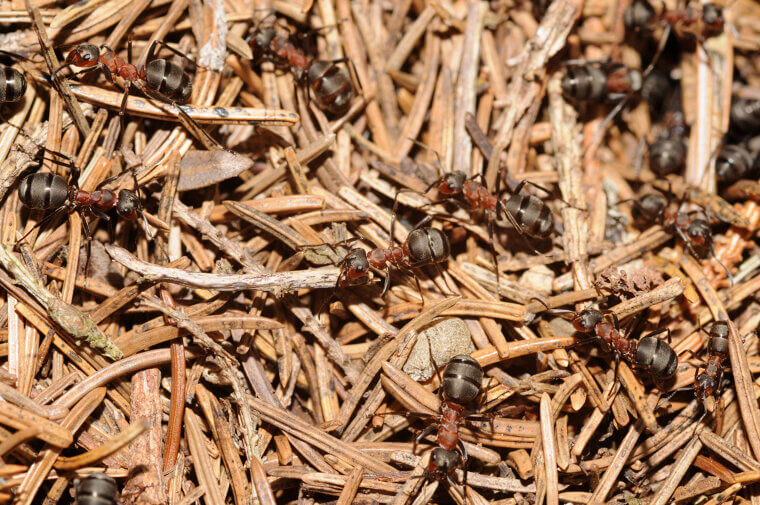
It ensures that your soil stays healthy and your plants aren't overwhelmed by unwanted six-legged visitors or microscopic spores.
The Singing Secret: Why Talking to Your Plants Actually Works
You might have caught Grandma humming or chatting to her prize-winning African violets. While it might seem eccentric, there’s a bit of logic behind it. When we talk or sing to plants, we are exhaling carbon dioxide (CO2) directly onto their leaves, which they need for photosynthesis. Furthermore, the vibrations from sound waves reportedly stimulate plant growth by mimicking the natural movements of wind.
Whether it’s the CO2 or just the extra attention and love, "talking" to your garden ensures you spend more time observing its needs, which is the truest secret of any green thumb.