
Turn That Leftover Pickle Brine Into a Secret Weapon for Meat
Don’t let that greenish liquid vanish down the kitchen sink once the pickles are gone. That salty, vinegary brine is actually a world-class meat tenderizer. The acidity works to break down tough muscle fibers in chicken or pork, resulting in a juicy, flavorful meal that tastes like it came from a professional deli. Simply soak your protein in the brine for a few hours before hitting the grill. It allegedly works wonders on lean chicken breasts.
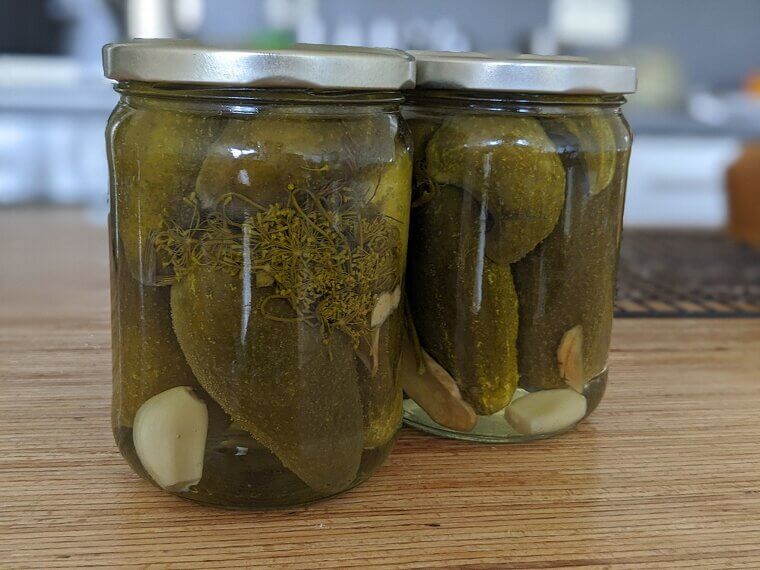
Lean chicken breasts can often become dry and uninteresting without this clever, frugal kitchen hack. Give it a try!
Revive Your Dull Wooden Spoons With a Rub of Walnut Shells
If your favorite wooden spoons are looking a bit parched or fuzzy after too many trips through the dishwasher, reach for some crushed walnut shells. Instead of tossing the shells from your afternoon snack, wrap them in a small piece of cheesecloth and rub them vigorously over the wood. The natural oils inside the shells seep out, while the textured surface gently buffs away rough spots. This reportedly creates a beautiful, natural sheen that protects the wood.
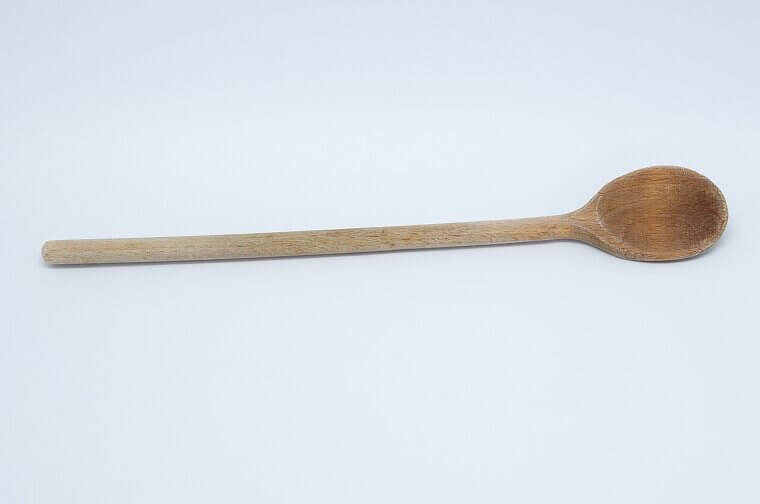
And the best part is that it does so without the need for chemical-laden mineral oils or expensive specialty creams.
Use Citrus Peels to De-Stink Your Stubborn Garbage Disposal
Those lemon and orange peels are far more than just compost fodder; they are powerful, natural deodorizers. When your kitchen sink starts to emit that tell-tale "mystery" odor, simply drop a handful of citrus rinds down the drain and run the disposal with cold water. The citric acid helps break down greasy residue on the blades, while the rinds physically scrub the sides of the unit.
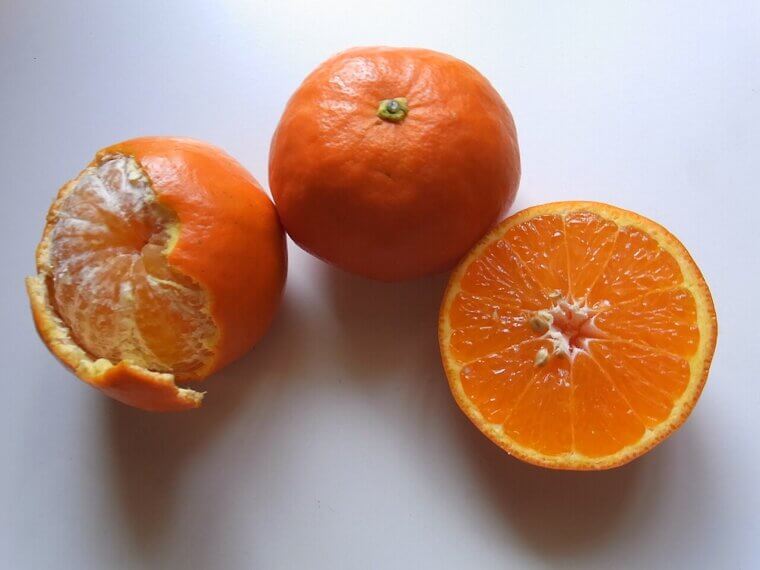
You’ll be greeted with a fresh, bright scent that beats any synthetic spray, making your entire kitchen feel instantly cleaner.
Feed Your Blue Hydrangeas a Diet of Used Coffee Grounds
If you want your garden to be the envy of the neighborhood, start saving your morning coffee grounds. Hydrangeas are famous for changing color based on the pH level of the soil. Since coffee grounds are naturally acidic, sprinkling them around the base of your shrubs can help shift pink blooms toward a stunning, deep blue hue. Additionally, the grounds add nitrogen and improve soil texture, which reportedly helps the plants grow more robustly.
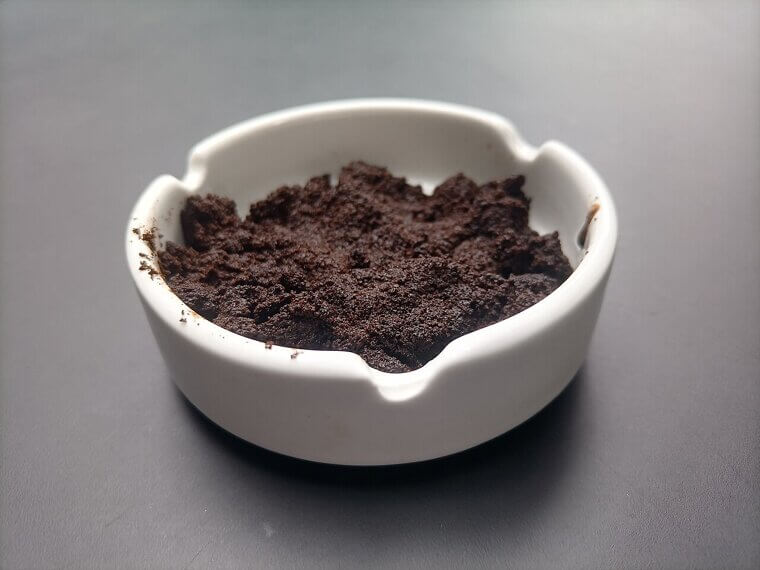
It is a fantastic way to recycle your caffeine habit into a floral masterpiece. And your hydrangeas will thank you!
Turn Stale Bread Into the Ultimate "Dust Magnet" for Oil Paintings
Cleaning a delicate oil painting or a textured picture frame can be nerve-wracking, but an old crust of bread is surprisingly effective. This is an old-school restoration trick where you take a piece of soft, slightly stale white bread (crusts removed) and gently dab it across the surface of the artwork. The porous, tacky nature of the bread lifts away surface dust and grime without scratching the paint or leaving behind any chemical residue.
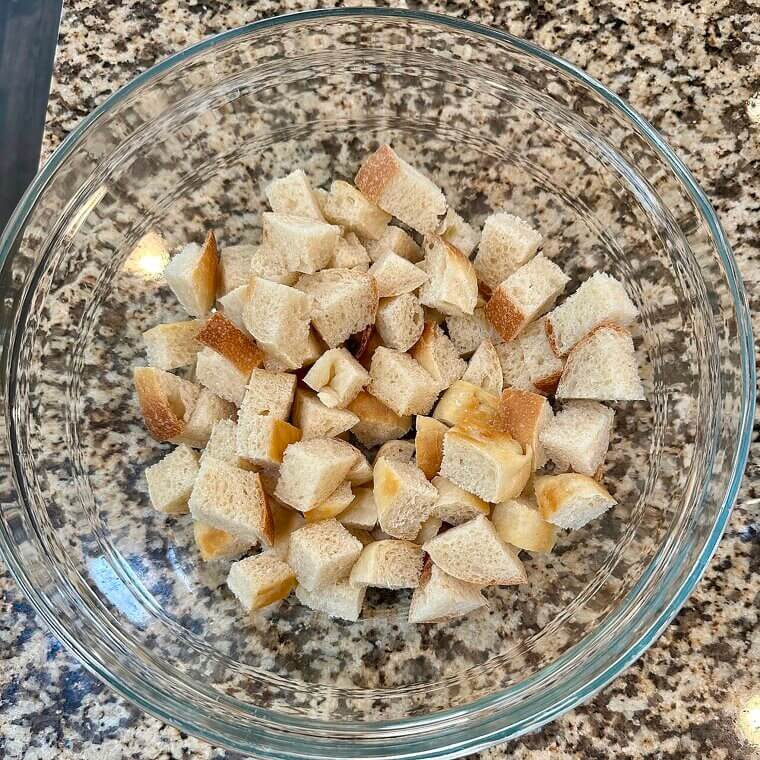
It is allegedly one of the safest ways to brighten up an heirloom without a professional. Who knew stale bread could be so useful?
Save Your Eggshells to Give Your Tomatoes a Calcium Boost
Before you toss those shells from breakfast, give them a quick rinse and crush them into a fine powder. Tomato plants are notoriously prone to blossom-end rot, which is often caused by a calcium deficiency in the soil. By burying crushed eggshells at the bottom of the planting hole, or mixing them into the topsoil, you provide a slow-release source of nutrients that keeps your garden thriving.
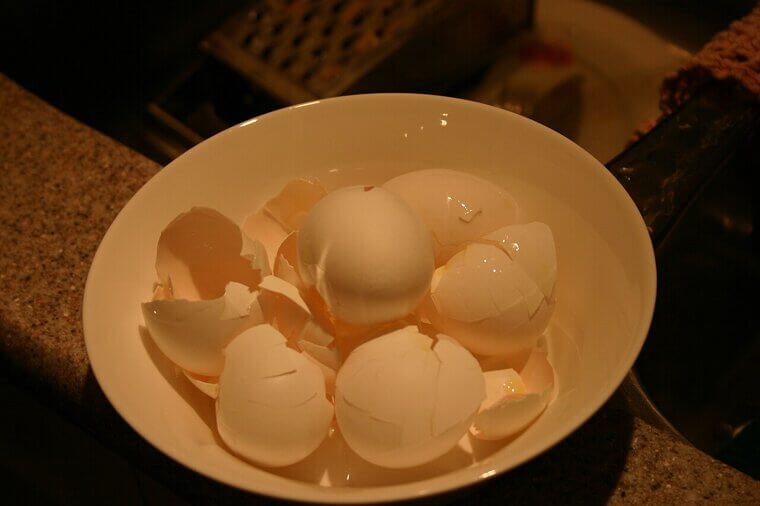
This simple, no-nonsense tip is a favorite among veteran gardeners who swear by it for achieving the heaviest harvest possible.
Polish Your Silverware Using Only a Leftover Banana Peel
It sounds a bit strange, but the inside of a banana peel is actually an incredible polisher for dull silver. The fruit contains certain oils and a mild abrasive quality that can lift tarnish right off your spoons and forks. Simply rub the soft, white side of the peel against the silver item, then buff it clean with a soft cloth. It reportedly works just as well as those smelly, expensive chemical pastes.
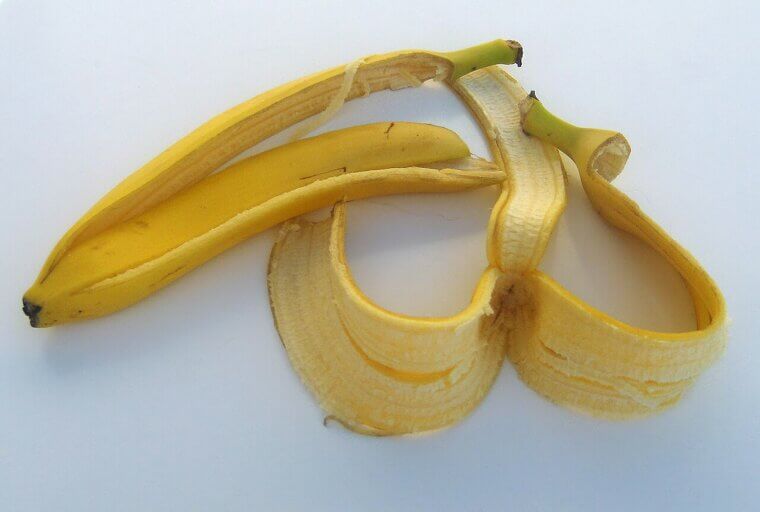
And it is a great way to use the entire fruit before the peel hits the bin. Sounds like a win-win to us.
De-Grime Your Microwave With a "Steam Bath" of Squeezed Lemons
Stop scrubbing those dried-on food splatters and let steam do the heavy lifting. After you’ve squeezed the juice out of a lemon for a recipe, put the halves in a bowl of water and microwave it for three minutes. Let it sit for another five minutes without opening the door. The steam loosens the gunk, while the lemon oil cuts through the grease. You can then simply wipe the interior with a paper towel.
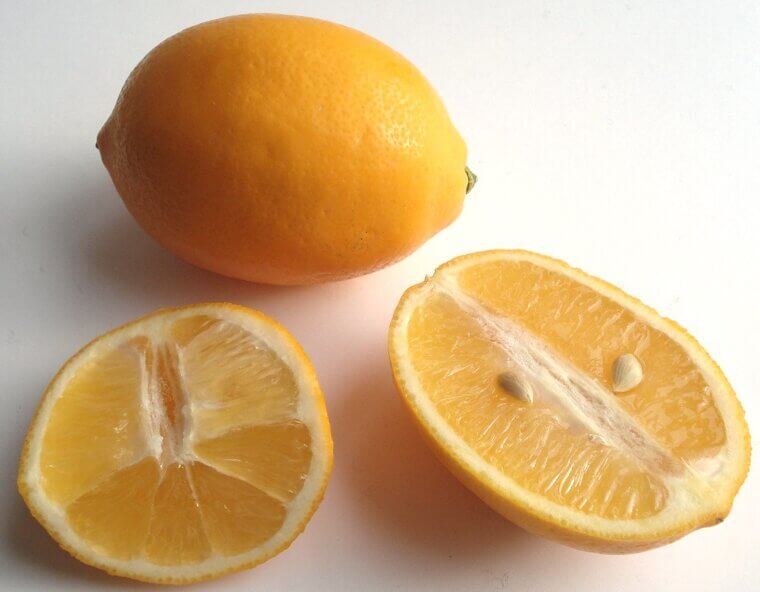
It is an effortless way to keep your appliances sparkling without using harsh soaps. You can thank us later.
Use Potato Peelings to Remove Rust From Your Garden Tools
Potato skins contain oxalic acid, which is a natural rust remover. If your garden shears or old hammers have seen better days, don’t replace them just yet. Take your leftover potato peels and rub the fleshy side onto the rusted metal, or even better, soak the tool in a container filled with skins and a little water overnight. The acid reportedly eats away at the oxidation.
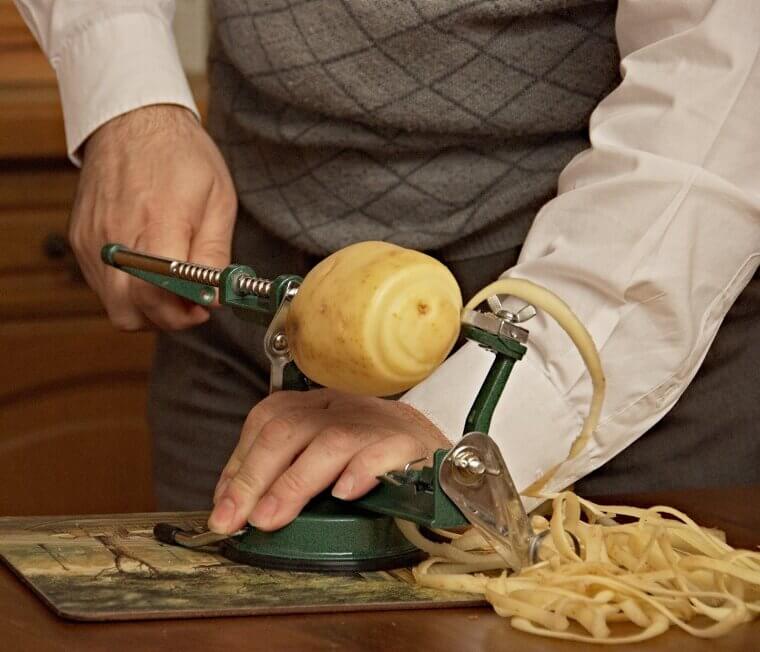
And that makes it much easier to scrub the rust off with a bit of steel wool. It’s a brilliant, chemical-free restoration hack.
Turn Cardboard Egg Cartons Into Seed Starters That Disappear
Instead of buying plastic trays for your spring garden, look no further than your recycling bin. Cardboard egg cartons are the perfect size for starting seeds on a windowsill. Because they are biodegradable, you can cut the individual "cups" apart once the seedlings are ready and plant the whole thing directly into the ground. This prevents "transplant shock" because you aren't disturbing the delicate roots.
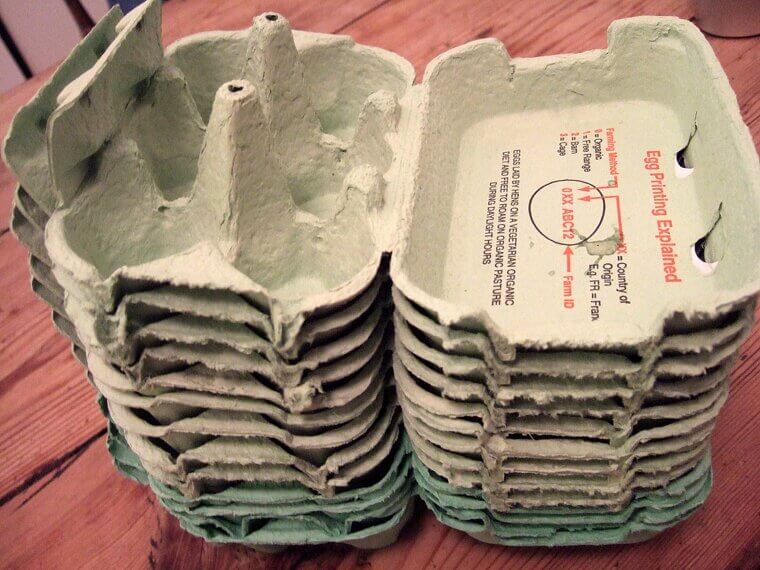
It’s a frugal, eco-friendly way to get a head start on the growing season while reducing your plastic waste significantly.
Scrub Your Cast Iron Skillet With Coarse Salt Scraps
You should never use soap on a well-seasoned cast iron pan, but sometimes food gets stuck. Instead of reaching for the sponge, use a handful of coarse salt—even the "dust" at the bottom of the pretzel bag will do. The salt acts as a gentle abrasive that lifts burnt-on bits without stripping away the protective layer of oil. Combined with a little bit of leftover vegetable oil, this method cleans the pan perfectly.
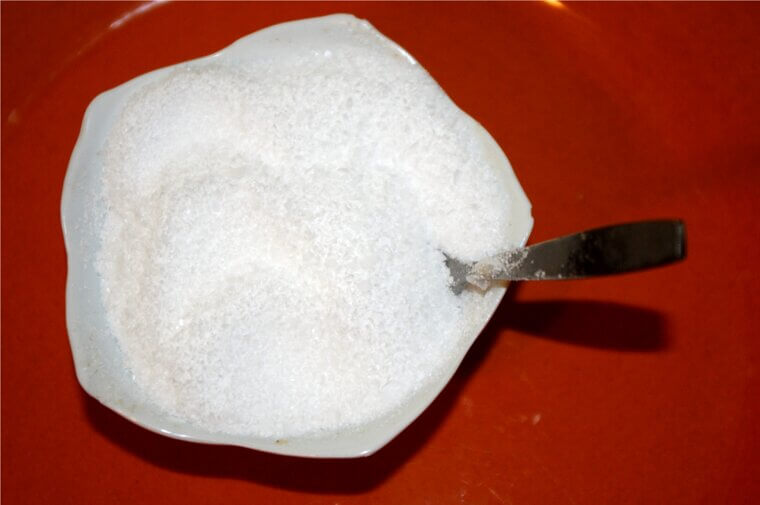
And it keeps the surface non-stick for years to come. It’s the ultimate kitchen maintenance secret that not even your grandma knew about.
Keep Your Brown Sugar Soft With a Piece of Orange Rind
There is nothing more frustrating than reaching for brown sugar only to find it has turned into a literal brick. To prevent this, place a small piece of orange peel inside the airtight container with the sugar. The peel provides just enough moisture to keep the sugar soft and scoopable without making it soggy or moldy. Plus, it reportedly adds a very faint, pleasant citrus aroma to your baking.
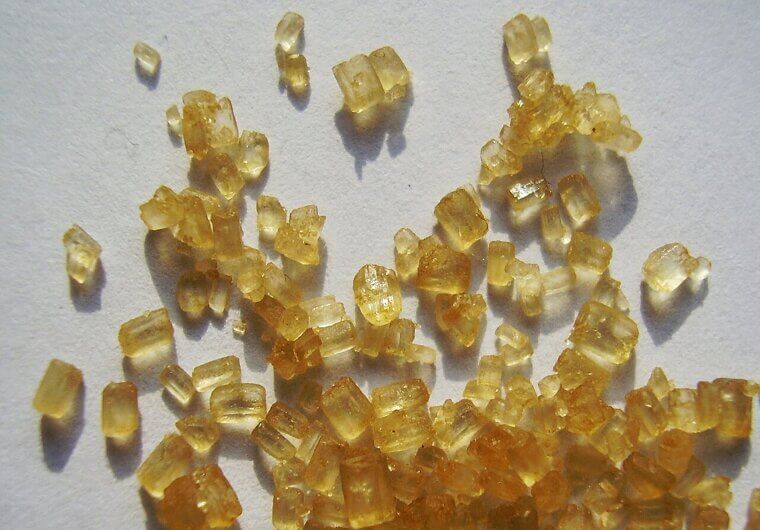
It is a much better solution than those terra cotta discs, as it uses something you’d normally throw away.
Use Old Newspaper to Dry Your Wet Shoes Without the Smell
If you get caught in a rainstorm, don't put your leather or canvas shoes near a heater, as it can crack the material. Instead, crumple up sheets of old newspaper and stuff them tightly inside the shoes. The paper is incredibly absorbent and will pull the moisture out of the fabric or leather much faster than air-drying alone. This method reportedly helps prevent the shoes from developing a musty odor.

And it maintains their shape while they dry. It is a classic traveler’s trick that still works perfectly today.
Turn Apple Peels Into a Fragrant, Natural Potpourri
When you’re making an apple pie, save those long ribbons of peel. Instead of tossing them, bake them at a very low temperature in the oven until they are crisp, or simply let them air-dry on a rack. Mix them with a cinnamon stick or a few cloves, and you have a wonderful, chemical-free potpourri. It fills your home with a warm, autumnal scent that feels much more authentic than any store-bought aerosol.
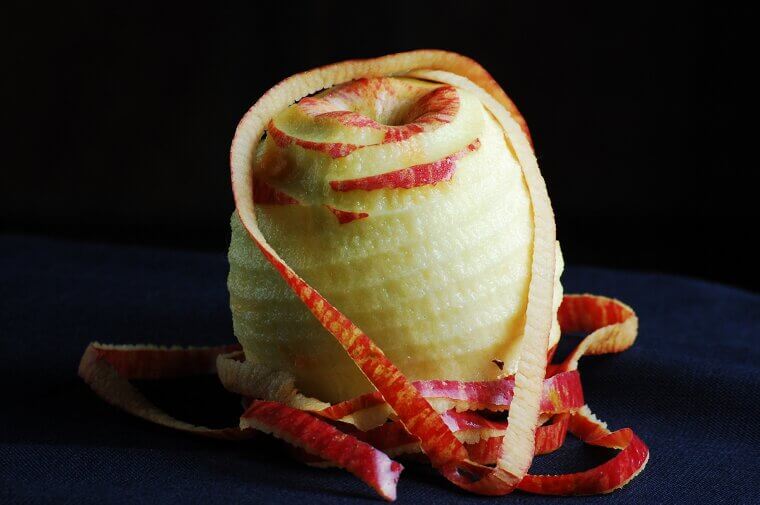
It is a deeply satisfying way to make your house feel cozy any time of the year for zero extra dollars.
Clean Your Gritty Garden Hands With Used Coffee Grounds
After a day spent digging in the dirt, ordinary soap often isn't enough to get the grime out of the creases of your skin. Keep a small jar of used coffee grounds by the sink. The grounds act as a natural exfoliant that scrubs away stubborn soil and even grease. Because coffee contains natural oils, it reportedly leaves your hands feeling softer than if you used a harsh industrial cleaner.
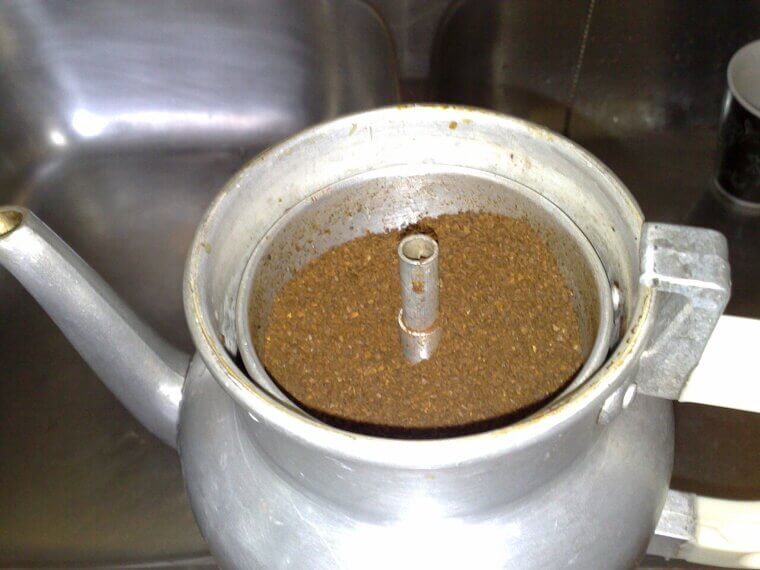
It’s a favorite trick for mechanics and gardeners alike who want clean hands without the irritation. So, keep gardening without getting your hands hurt.
Use Onion Skins to Create a Natural, Golden Fabric Dye
The papery outer skins of yellow onions are a hidden treasure for anyone who loves crafts. If you boil a large handful of these skins in water, they produce a rich, vibrant golden-orange dye. This liquid can be used to color white cotton fabric, yarn, or even Easter eggs. It is a completely non-toxic way to experiment with color at home. People have allegedly used this method for centuries.
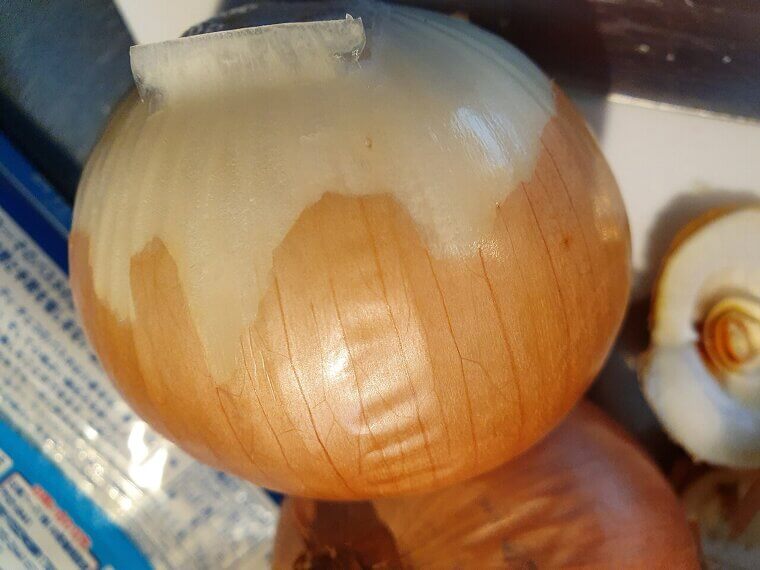
And the results are surprisingly color-fast and beautiful, proving that "trash" can truly be a source of artistic inspiration.
Sharpen Your Dull Scissors With Scraps of Aluminum Foil
Don't throw away that piece of aluminum foil just because it’s a little crinkled. If your household scissors are starting to feel dull and are tearing paper instead of cutting it, fold the foil into several layers. Cut through the foil eight to ten times using the full length of the blades. This action reportedly realigns the edges of the scissors and hones them, making them feel significantly sharper.
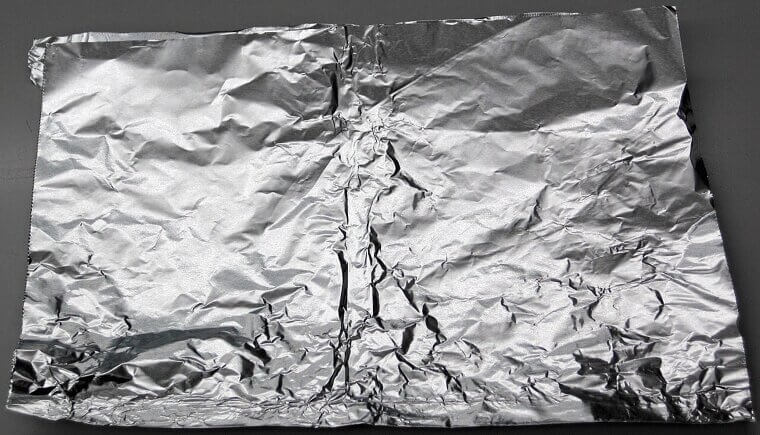
It’s a quick, thirty-second fix that saves you a trip to the hardware store for a replacement pair.
Drop a Piece of Chalk in Your Toolchest to Stop Rust
While not exactly a "scrap" in the traditional sense, those tiny, broken nubs of chalk that are usually tossed out are incredibly useful. Place a few pieces in your toolbox or your silver drawer. Chalk is highly porous and naturally absorbs moisture from the air. By keeping the environment dry, it reportedly prevents your metal tools or expensive silverware from oxidizing and rusting. It’s a low-tech, invisible solution.
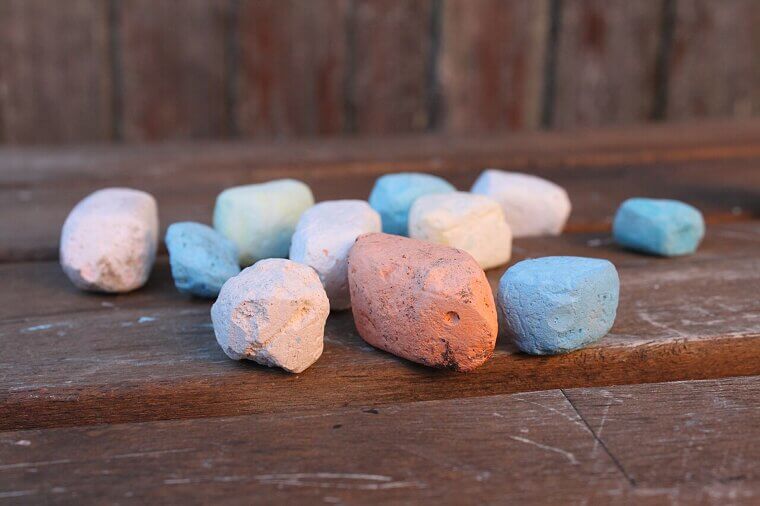
And it protects your most valuable equipment from the damaging effects of humidity without any effort at all.
Use Empty Toilet Paper Rolls to Organize Your Tangled Cords
The mess of cables behind the television or in the junk drawer is a headache for everyone. An easy fix is to save the cardboard tubes from toilet paper or paper towels. You can fold your cords neatly and slide them inside the tube, then stand the tubes up in a shoebox. This keeps the cords separated, prevents tangling, and allows you to label the outside of the tube.
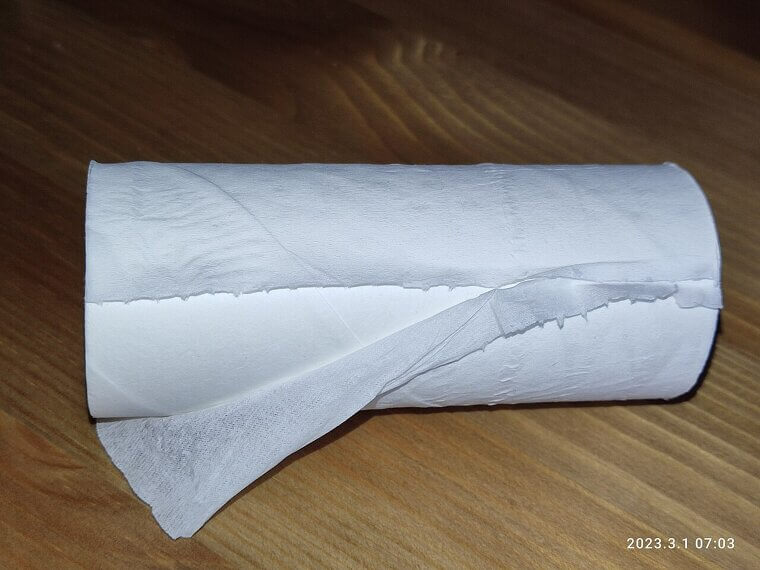
That way, you know exactly which cable belongs to which device. It is an incredibly satisfying way to achieve professional-level organization.
Toss Nut Shells Into Your Potted Plants for Better Drainage
If you enjoy pistachios or peanuts, stop throwing the shells in the trash. These hard, woody scraps are perfect for the bottom of your indoor planters. Instead of buying expensive gravel or heavy stones, use a layer of shells to create an air pocket at the bottom of the pot. This reportedly helps prevent root rot by allowing excess water to drain away from the soil.
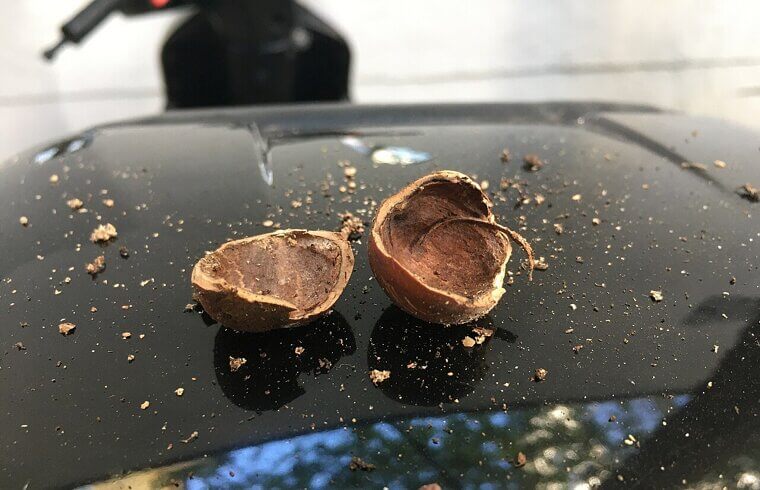
As a bonus, as the shells slowly break down over several years, they add a tiny bit of organic matter back into the earth.
Use a Pitted Cherry or Olive Pit to Clean Narrow Vases
Cleaning the very bottom of a tall, narrow glass vase or a wine decanter is almost impossible with a brush. Save a handful of cherry pits or olive stones for this exact task. Drop them into the vase with a little warm, soapy water and swirl the container vigorously. The hard pits act as "scrubbers" that knock loose any mineral deposits or dried flower slime from the glass.
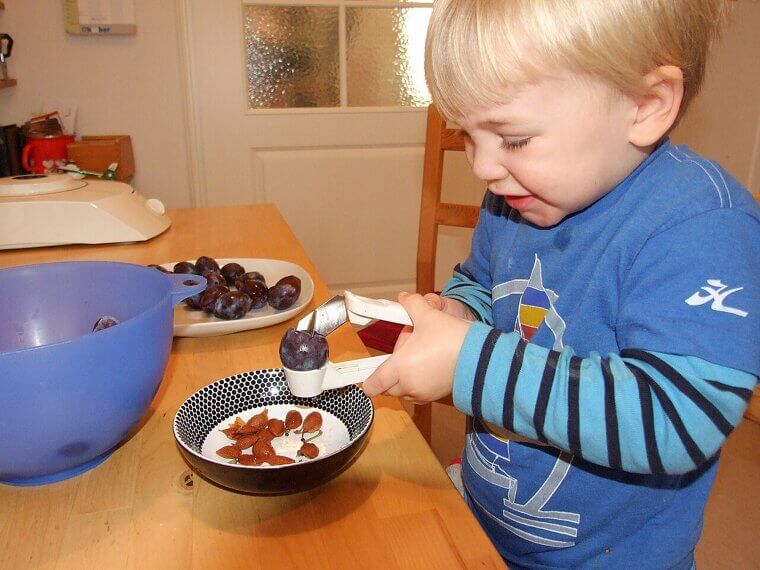
It is a clever way to reach the unreachable spots without needing to buy specialized, expensive cleaning tools or flexible brushes.
Soak Your "Un-Washable" Silk in Leftover Pasta Water
The starchy water left over after boiling pasta is often called "liquid gold" by chefs, but it’s also great for laundry. Some vintage clothing enthusiasts suggest that soaking delicate silk items in cooled, strained pasta water can help restore the fabric's body and "crunch." The starch acts as a very gentle sizing agent that makes the silk feel newer and less limp. Just be sure to rinse it well in cool water afterward.
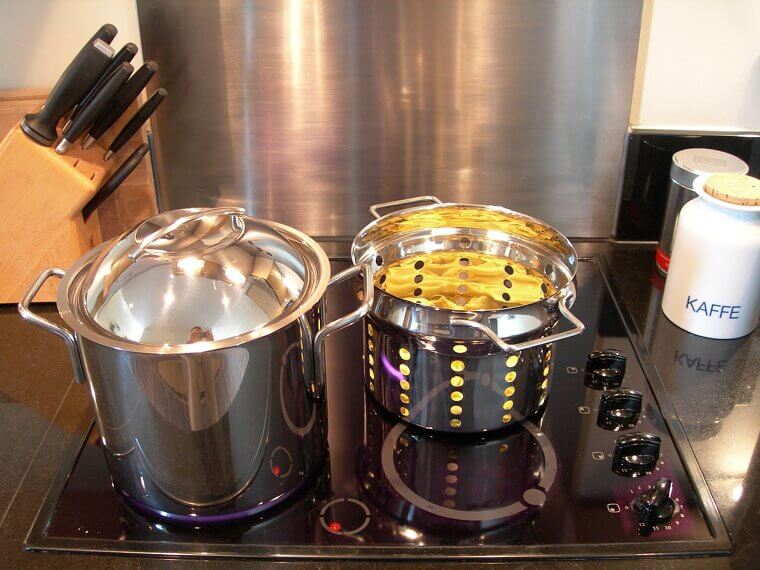
It is reportedly a secret trick used by those who prefer traditional garment care over modern dry cleaning.
Turn Spent Vanilla Beans Into a Jar of Gourmet Sugar
Even after you have scraped the seeds out of a vanilla bean for a recipe, the pod itself still holds an incredible amount of flavor and aroma. Don't throw the empty pod away; instead, bury it in a jar of regular granulated sugar. Within a week or two, the scent will permeate the sugar, creating a custom vanilla-infused sweetener that is perfect for coffee or baking.
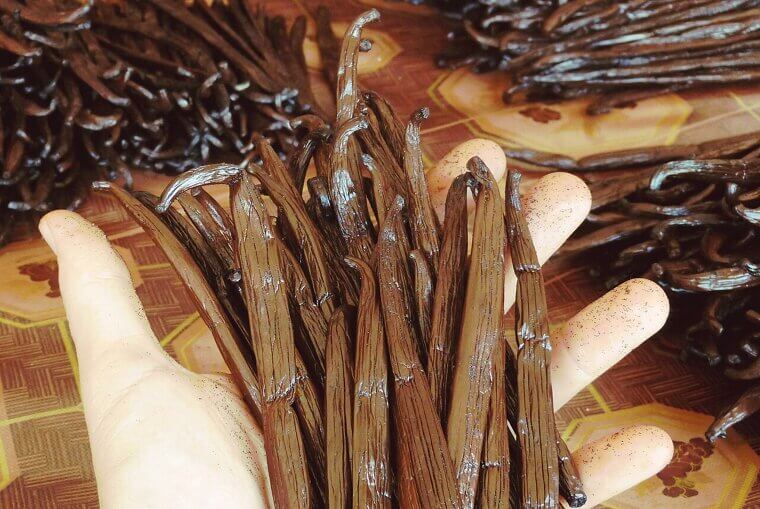
It is a luxury product that usually costs a premium at the grocery store, but you can make it for free with "waste."
Use Old Silica Gel Packets to Protect Your Important Documents
You know those little "Do Not Eat" packets that come in shoe boxes and electronics? They are moisture-absorbing powerhouses. Instead of tossing them, tuck them into your filing cabinet or the box where you keep old family photographs. They work tirelessly to pull humidity out of the air, which reportedly prevents paper from yellowing and keeps photos from sticking together over time. It is a simple, proactive way to preserve your family history.
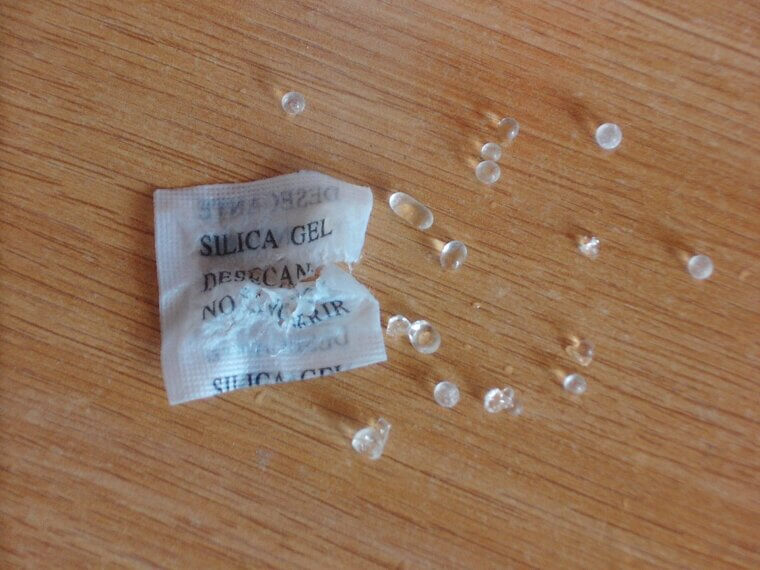
And you can do so using something that most people consider to be instant garbage the moment they open a package.
Scrub Your Grimy Bathtub With a Leftover Grapefruit Half
For a bathtub that sparkles and smells like a spa, look to your breakfast scraps. Take a grapefruit half that has already been juiced or eaten, sprinkle a generous amount of salt on the cut side, and use it as a scouring pad. The citric acid in the fruit works to dissolve soap scum and hard water stains, while the salt provides the grit needed to lift away grime.
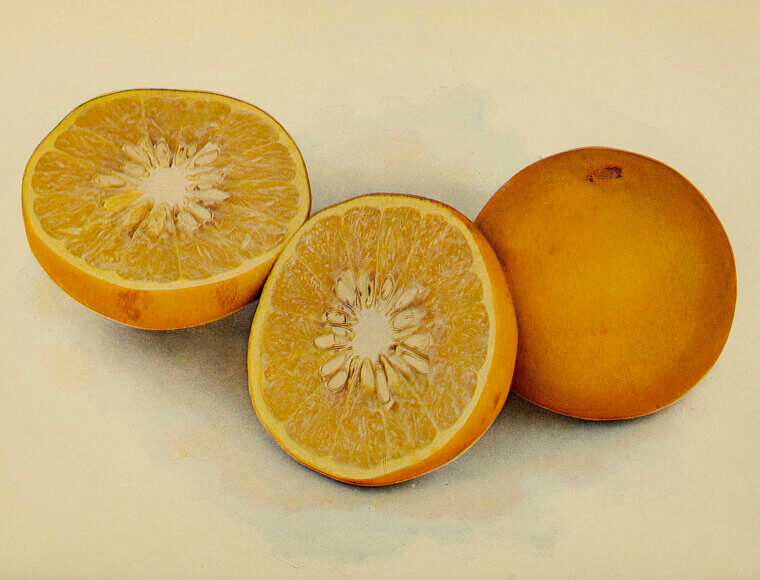
It is a non-toxic alternative to bleach-based cleaners that leaves your bathroom smelling fresh and looking brand new without any harsh fumes.
Turn Broken Crayons Into Custom "Lava" Candles
If you have a drawer full of broken crayon bits from the grandkids, you have the makings of a fun craft. You can melt these wax scraps down and pour them into small glass jars with a wick to create vibrant, multi-colored candles. Because crayons are made of paraffin wax, they burn well and allow you to create custom color blends that you can't find in stores.
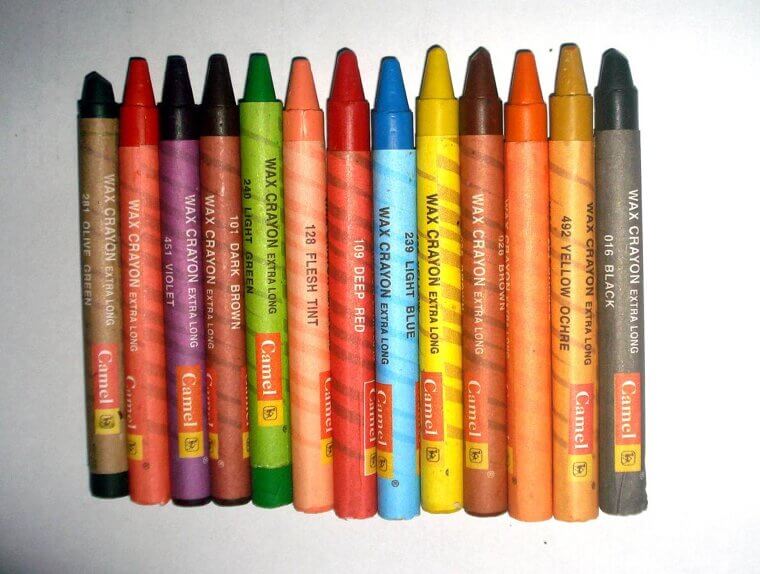
It is a creative and productive way to clear out the junk drawer while making thoughtful, handmade gifts that look like they cost a fortune.
Use Dried Corn Husks as Natural Scouring Pads for Dishes
After your next corn-on-the-cob dinner, save the husks and let them dry out. Once they are dry, they become surprisingly tough and fibrous. They make excellent, biodegradable scouring pads for cleaning stubborn food off of ceramic plates or stainless steel pans. Unlike plastic sponges, which can harbor bacteria and eventually end up in a landfill, these husks can be composted as soon as they wear out.
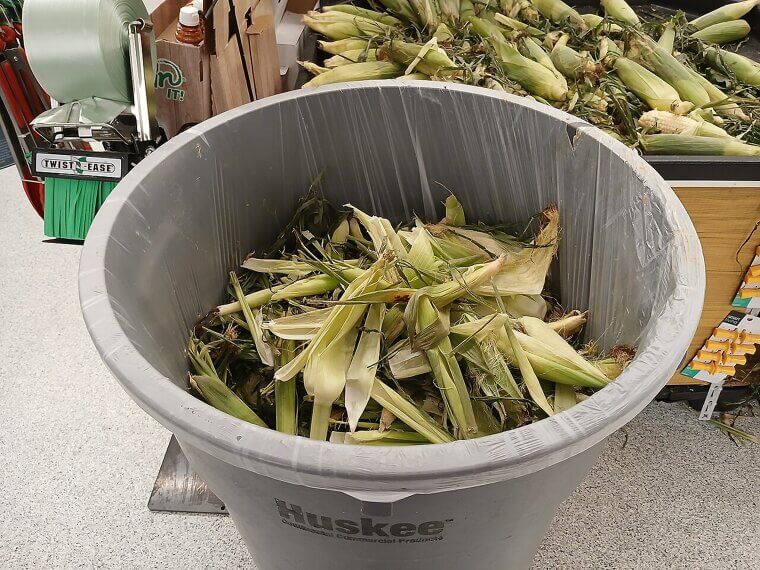
It is an old-fashioned, no-nonsense approach to dishwashing that is both effective and completely free, making it a win-win for the kitchen.
Sprinkle Used Tea Leaves on Your Carpets to Kill Odors
If your rugs are smelling a bit stale, don't reach for the chemical deodorizing powders. Instead, take your used tea leaves, let them dry slightly (they should be damp, not soaking), and sprinkle them over the carpet. Let them sit for about twenty minutes before vacuuming them up. The leaves reportedly tea absorb odors and lift away dust, leaving the room smelling faint and clean.
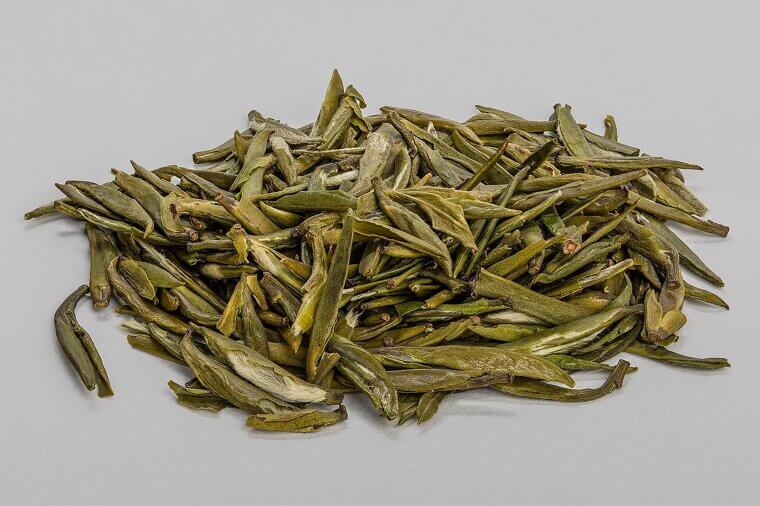
This is an old Victorian-era trick that still holds up today, especially for pet owners looking for a natural way to freshen up their living space.
Use an Old Wine Cork to Stabilize a Wobbly Table
A rocking table is one of life’s small but persistent annoyances. Instead of folding up a piece of paper that will eventually slip out, reach for a leftover wine cork. You can easily slice off a thin disc of cork with a kitchen knife and glue it to the bottom of the short table leg. The cork is firm enough to provide support but has just enough "give" to grip the floor and stay in place.
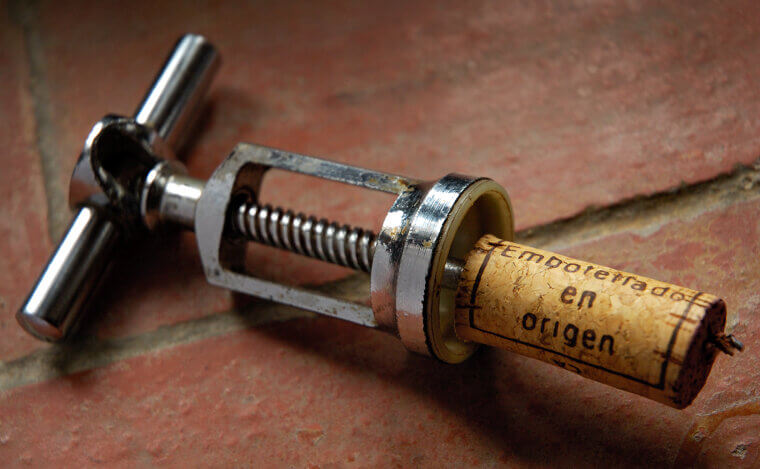
It is a discreet, permanent, and free solution to a problem that usually requires a trip to the hardware store.
Turn Your Old Socks Into "Dusting Mitts" for Window Blinds
Cleaning individual slats on window blinds is a tedious chore, but an old sock makes it much easier. Simply put the sock over your hand like a puppet, dampen it slightly with water or a little white vinegar, and run your fingers along each slat. You can grip the slat from both sides at once, cutting your cleaning time in half. When the sock gets dirty, just throw it in the wash and use it again.
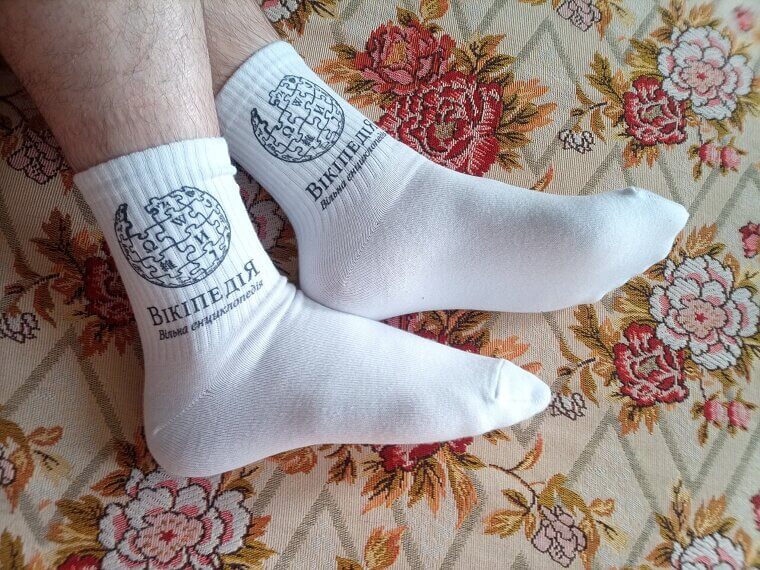
It’s a brilliant way to give a "holey" sock a second career as a cleaning powerhouse. Turn your trash into a cleaning treasure.
Use Leftover Celery Bases to Grow "Infinite" Vegetables
The bottom stub of a head of celery is usually destined for the compost, but it can actually grow an entirely new plant. Place the base in a shallow bowl of water on a sunny windowsill. Within a few days, you’ll see tiny green leaves sprouting from the center. Once the roots begin to show, you can transplant it into a pot of soil.
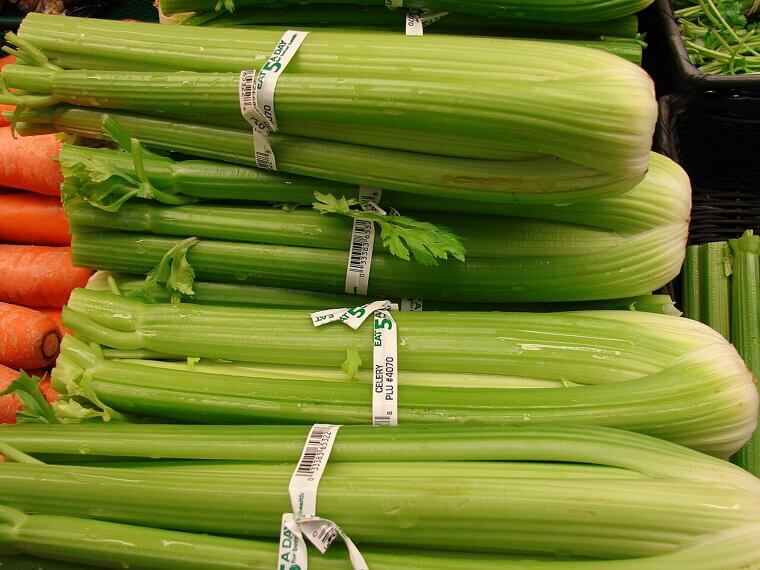
It is a fascinating and satisfying experiment that reportedly works with romaine lettuce and green onions too, allowing you to get a second harvest for absolutely no extra cost.
Polish Your Leather Shoes Using the Inside of an Orange Peel
If your leather shoes are looking a bit dull and you've run out of polish, head to the fruit bowl. The natural oils found in orange peels are surprisingly effective at shining up leather. Rub the white, pithy side of the peel over the surface of the shoe, then buff it with a soft, dry cloth. This reportedly cleans the leather and leaves behind a protective, water-resistant sheen.
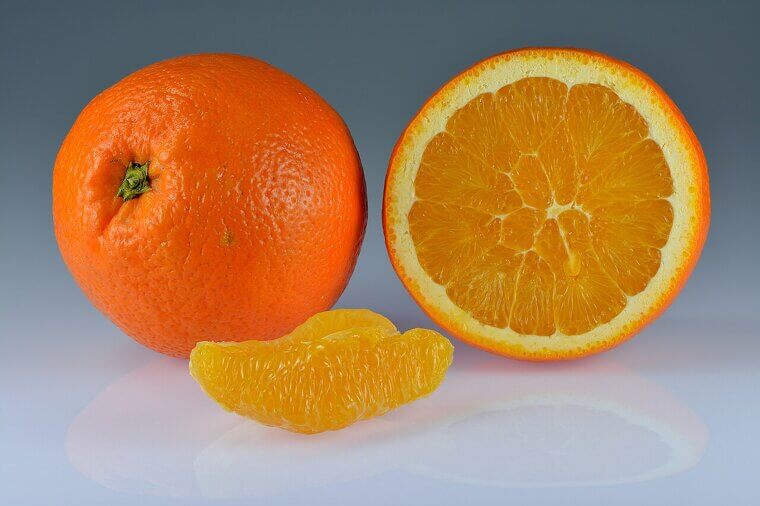
It is a quick and aromatic fix for when you need to look your best but don't have time to run to the store.
Use Excess Flour to "Dry Clean" a Greasy Spill on the Carpet
If you drop something oily or greasy on your carpet, don't panic and start scrubbing, as that will only push the oil deeper into the fibers. Instead, grab some flour from the pantry and dump a thick layer over the spill. Let it sit for several hours; the flour will reportedly act as a desiccant, drawing the oil out of the carpet and into the powder.
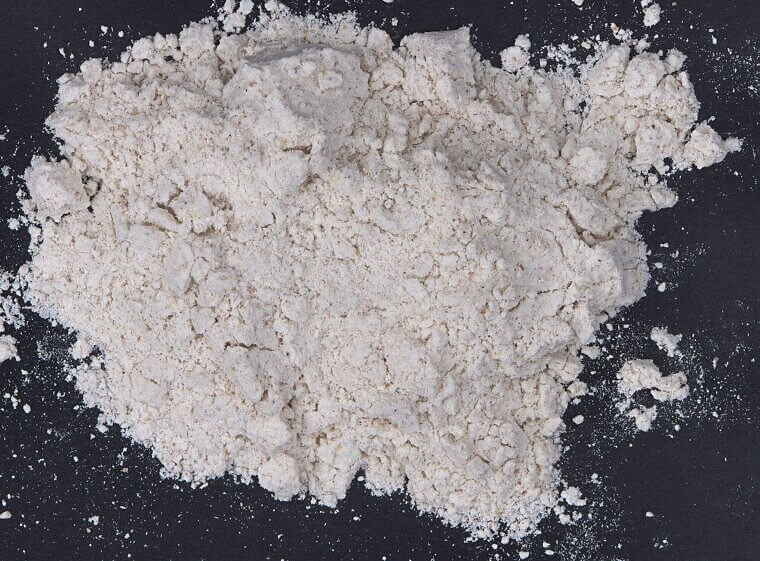
Once the flour looks clumpy and saturated, vacuum it up. You’ll be amazed at how much of the stain disappears without any water or soap.
Freeze Leftover Herb Scraps in Olive Oil for Instant Flavor
When you have a few sprigs of parsley or cilantro left over that are starting to wilt, don't let them turn to slime in the crisper drawer. Chop them up and put them into an ice cube tray, then fill the rest of the space with olive oil and freeze. Whenever you’re starting a soup, stew, or sauté, just pop one of these "flavor bombs" into the pan.
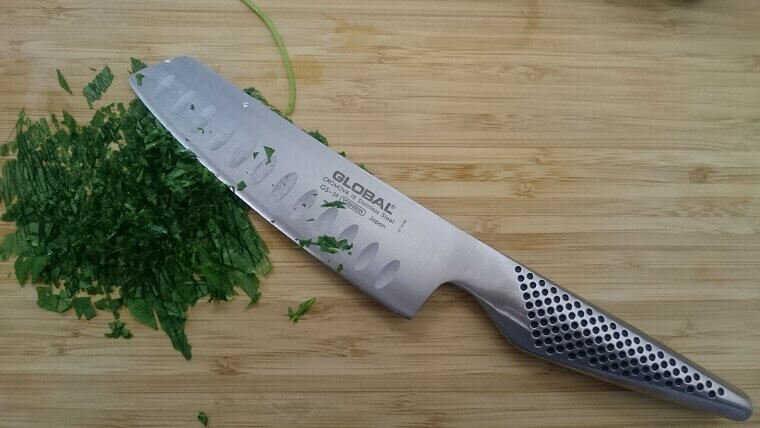
The oil protects the herbs from freezer burn and creates a delicious, pre-seasoned base for your cooking. It is the ultimate time-saving kitchen hack.
Use an Old Toothbrush to Clean Your Computer Keyboard
When a toothbrush has reached the end of its life for your teeth, it’s just beginning its life as a precision cleaning tool. The small, firm bristles are perfectly designed to get into the narrow gaps between the keys on a computer keyboard or the buttons on a remote control. It is also excellent for scrubbing the grime out of jewelry settings or cleaning the lint out of a hairdryer filter.
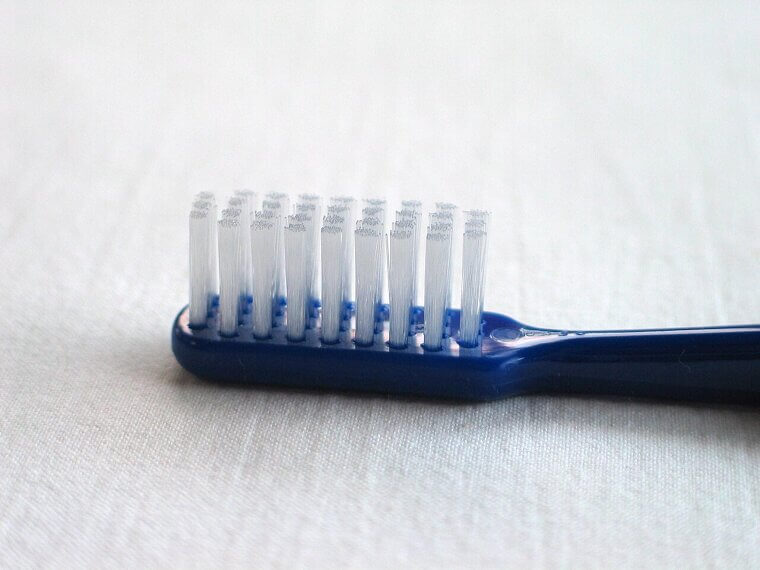
It’s a versatile "micro-scrubber" that helps you maintain your expensive electronics and accessories for years, saving you money on professional cleanings.