
Versatile Ginger: The Low-Light Champion
Ginger is a fantastic spice for indoor gardening because it actually prefers indirect light, making it perfect for those cozy corners of your kitchen that don’t get blasted by the sun. You can start your journey by simply planting a plump piece of store-bought rhizome in a pot of well-draining soil. It loves a humid environment, so a little misting now and then makes it feel right at home.
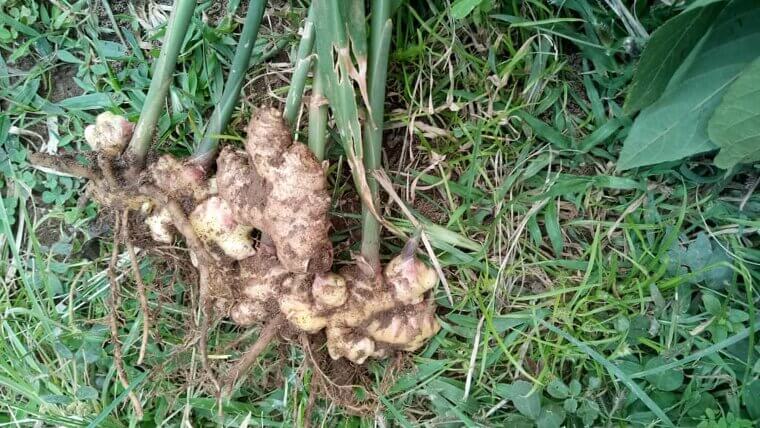
Since it grows horizontally underground, you don’t need a deep pot—just something wide enough to let it spread its wings while it develops that spicy, aromatic kick.
Hardy Rosemary: The Everlasting Evergreen
Rosemary is practically a superhero in the plant world due to its woody stems and needle-like leaves that hold moisture exceptionally well. This Mediterranean native is famously drought-tolerant, meaning it won’t hold a grudge if you forget to water it for a few days during a busy week. It thrives in a sunny window and maintains its vibrant green color and piney scent all year long, even when the temperatures drop outside.
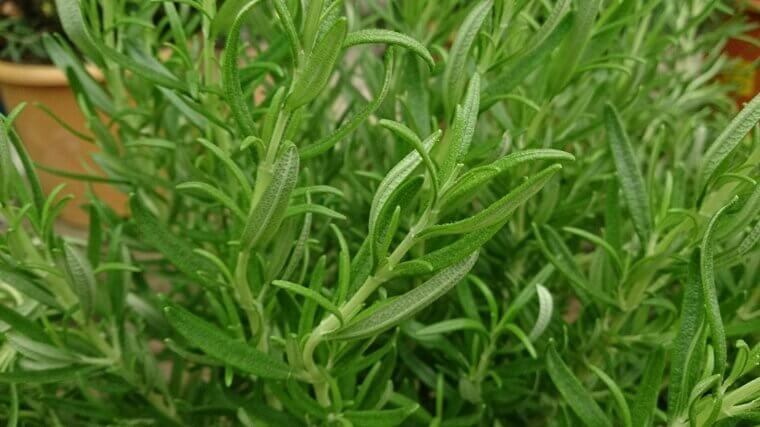
Because it grows as a perennial shrub, once you establish a small plant, it provides a steady, flavorful harvest for your roasted meats and breads.
Resilient Chives: The "Set It and Forget It" Onion Alternative
If you are looking for a spice that is nearly impossible to kill, chives are your best friend. These hardy little stalks are members of the onion family and can tolerate a wide range of temperatures, making them ideal for year-round indoor growth. They don’t require much more than a bit of sunlight and a drink of water when the soil feels dry. One of the best parts about chives is that production begets production.
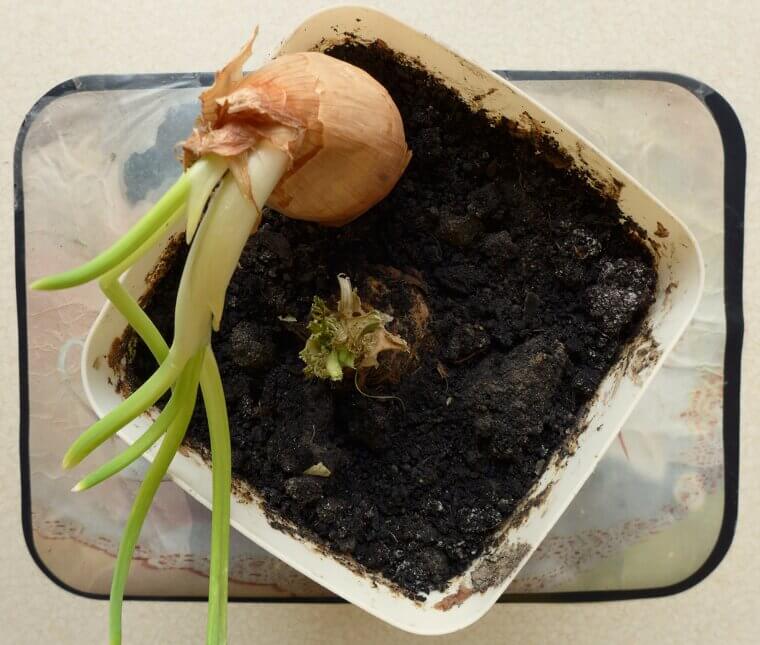
The more you harvest them, the faster they seem to grow back, ensuring you always have a fresh, mild zing for your baked potatoes.
Vibrant Turmeric: The Tropical Treasure for Warm Indoors
While turmeric loves a bit of warmth, it is surprisingly easy to grow inside where you can control the climate. Much like ginger, turmeric grows from a rhizome, and its broad, beautiful green leaves make it look like a high-end decorative houseplant while it works its magic underground. It is reportedly quite happy in a pot as long as you keep the soil moist and the air relatively humid.
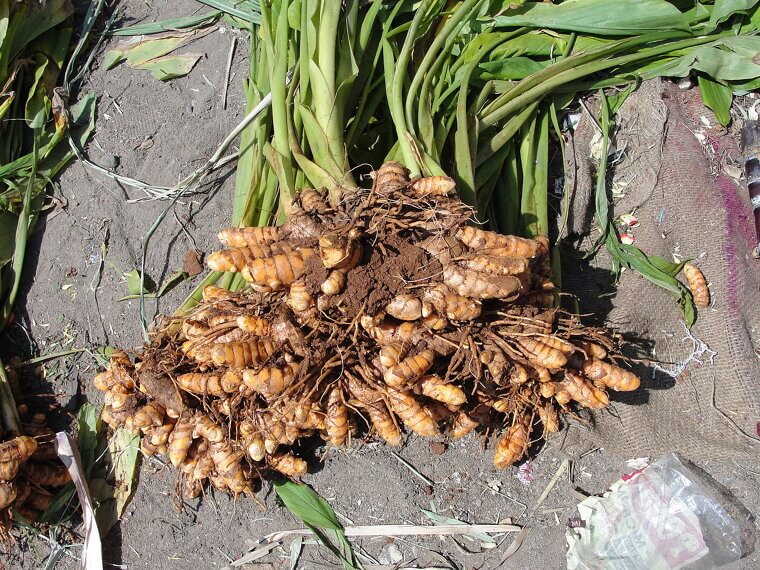
Growing this yourself ensures you have the freshest possible source of that bright orange, earthy powder that is so celebrated for its numerous culinary uses and golden hue.
Peppery Basil: The Fast-Growing Window Sensation
Basil is the crown jewel of the indoor spice garden because of how quickly it transforms from a tiny seed into a lush, aromatic plant. While many associate it with summer, it grows perfectly well in any season as long as it sits in a spot that receives at least six hours of light. It’s a very communicative plant; if it’s thirsty, the leaves will droop slightly, letting you know it’s time for a quick watering.
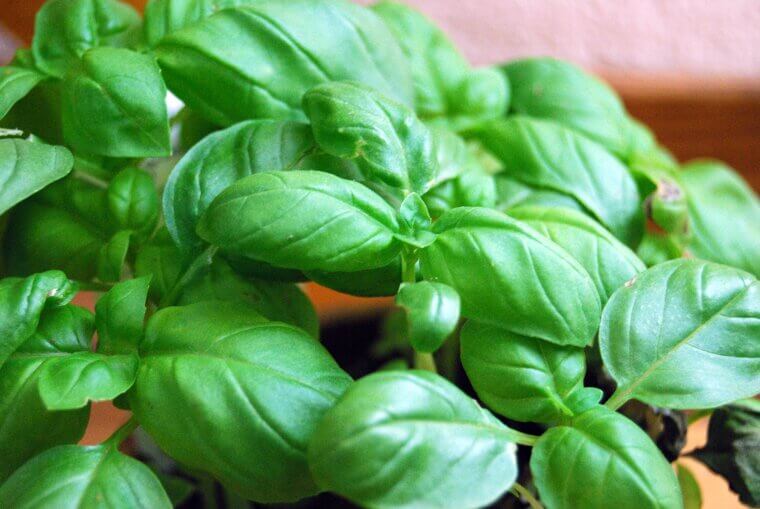
Frequent pinching of the top leaves encourages the plant to grow bushier rather than taller, providing you with endless batches of pesto.
Delicate Cilantro: The Cool-Season Culinary Essential
Cilantro is a unique addition to this list because it actually prefers the cooler temperatures often found indoors during the autumn and winter months. While it can be prone to "bolting" or going to seed in the intense heat of a summer garden, a controlled indoor environment keeps it producing those tender, citrusy leaves for much longer. It has a relatively short life cycle, which makes it an excellent candidate for "succession planting."
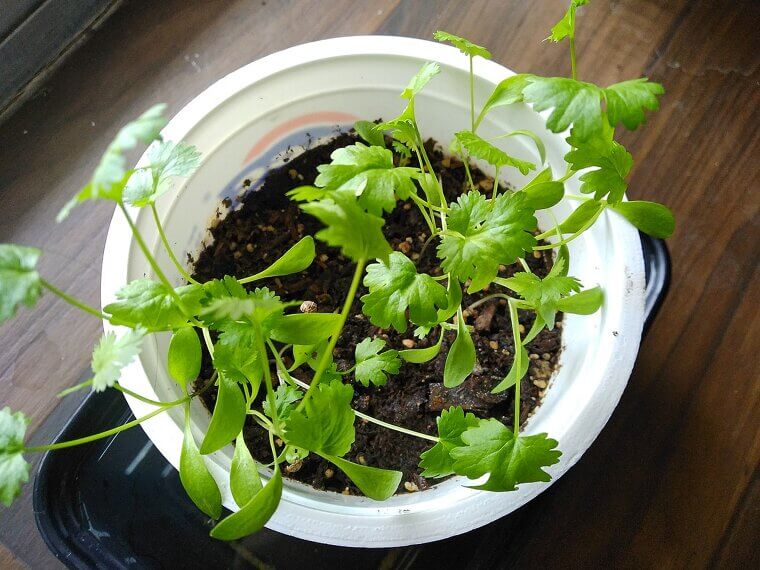
That means you can plant a few seeds every couple of weeks to ensure a never-ending supply for your homemade salsas and garnishes.
Fragrant Thyme: The Low-Maintenance Groundcover
Thyme is a tiny plant with a huge personality and even bigger resilience. Its small, tough leaves are designed to conserve water, which means it is incredibly forgiving for gardeners who might have a more relaxed watering schedule. Thyme stays compact and doesn't require a large pot, making it a perfect candidate for a crowded windowsill or a tiered herb planter. It is a slow and steady grower that maintains its potent, earthy flavor throughout the year.
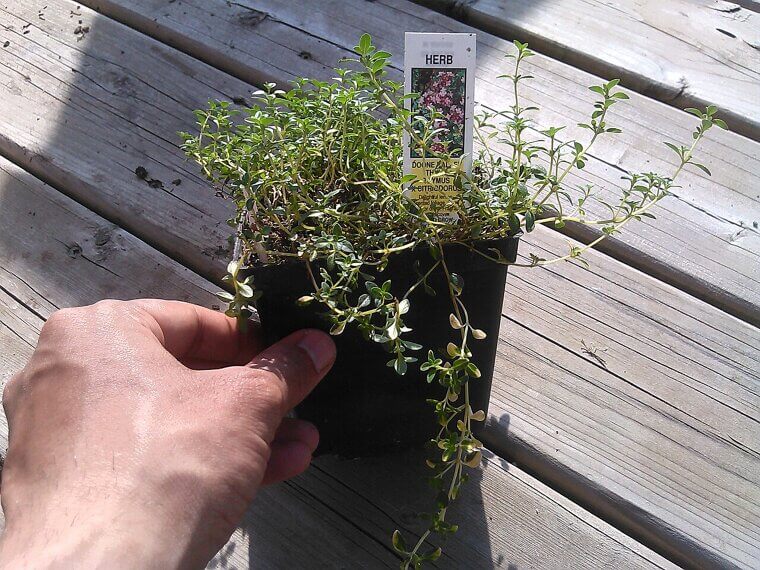
And that's regardless of whether there is snow on the ground or a heatwave outside your kitchen window.
Zesty Oregano: The Spreading Spice That Loves a Trim
Oregano is a vigorous grower that actually benefits from being used frequently in your cooking. This spice is native to rocky, dry climates, so it is well-suited to the indoor environment where the air can sometimes be a bit dry during the winter months. It prefers to dry out between waterings, which takes the guesswork out of its care routine. As a trailing plant, it looks lovely hanging in a basket or spilling over the edge of a ceramic pot.
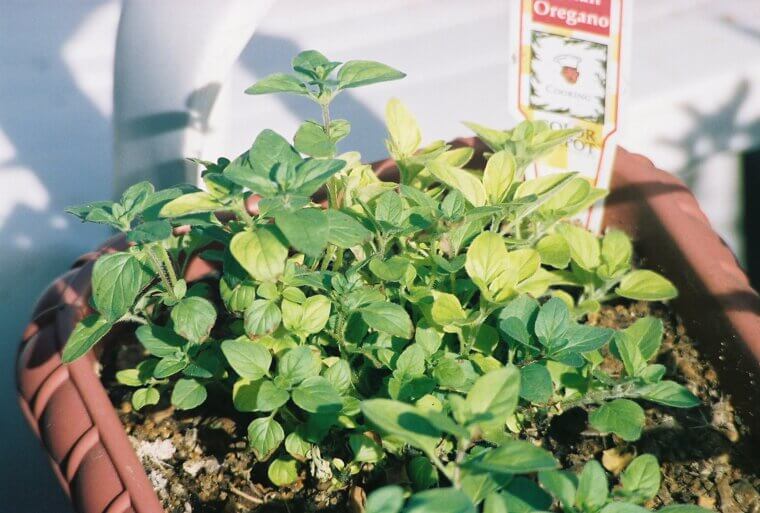
It's aesthetic while providing a constant supply of savory, peppery leaves for your favorite Italian-inspired pasta sauces.
Sweet Mint: The Unstoppable Indoor Greenery
Mint is widely known among gardeners for its incredible ability to grow anywhere and everywhere, which is exactly why it is perfect for a contained indoor pot. It is virtually indestructible and thrives in both bright light and partial shade, making it a versatile choice for any room in your home. Because it spreads through runners, a single small plant will quickly fill a container with fragrant, cooling leaves.
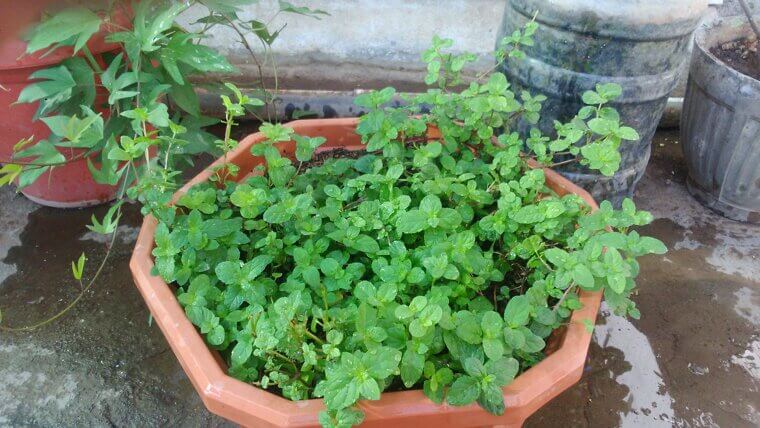
Whether you want to add a fresh sprig to your tea or a bright pop of flavor to a fruit salad, mint is always ready to perform.
Pungent Garlic Greens: The Easiest "Re-Grow" Project
While growing a full bulb of garlic takes time, growing garlic "greens" is an instant-gratification project that works in any season. Simply take a clove from your pantry that has started to sprout and tuck it into a small jar of water or a pot of soil. Within days, long, green shoots will emerge that taste like a cross between garlic and a green onion. These greens are incredibly easy to maintain and require very little space.
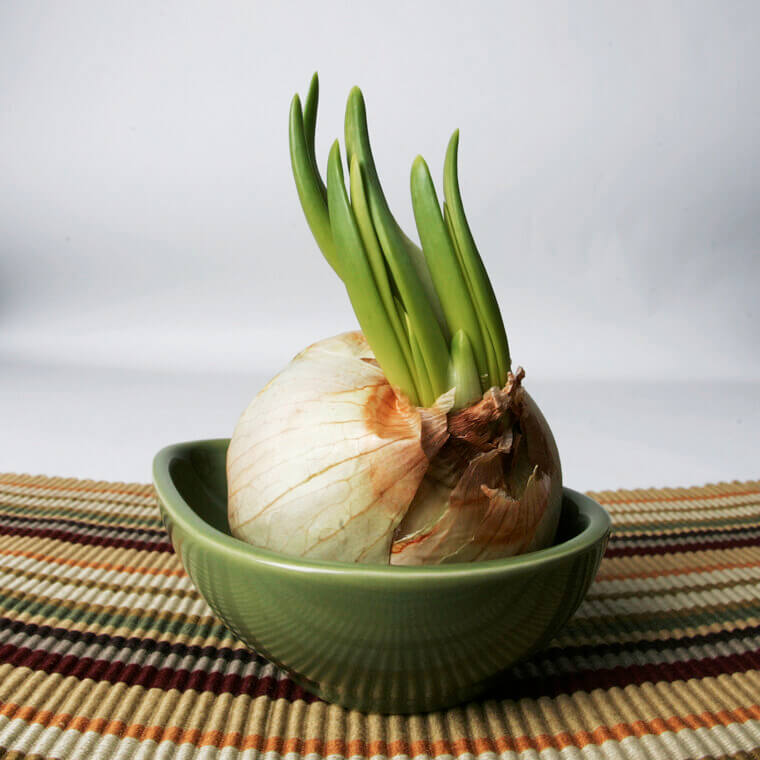
They offer a mild, garlicky punch to your eggs or salads without the long wait of traditional garlic farming.
Sturdy Sage: The Drought-Tolerant Decorator
Sage is a fantastic choice for indoor gardeners because it is remarkably resilient and thrives in the drier air often found in temperature-controlled homes. Its soft, silvery-green leaves are not only beautiful to look at but also packed with a savory, peppery flavor that pairs perfectly with autumn squashes and roasted meats. Since sage prefers its soil to dry out between waterings, it is incredibly forgiving if you happen to miss a day or two.
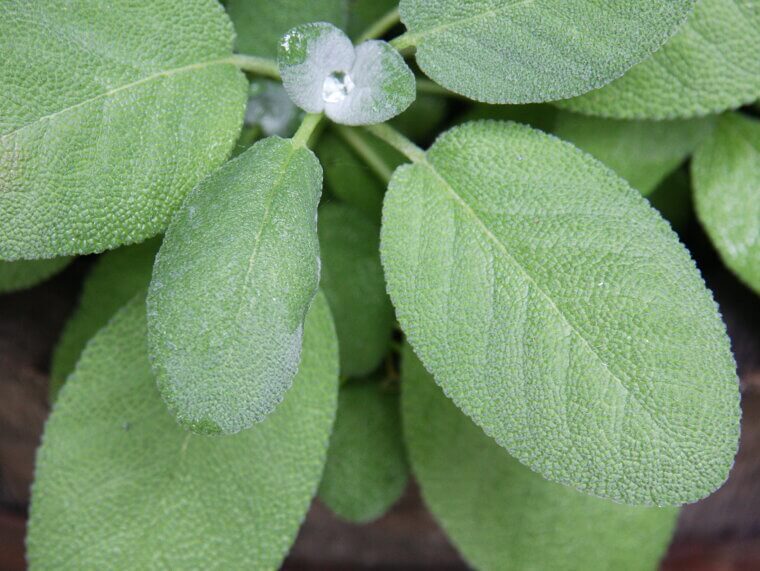
It loves a sunny spot, so placing it near a bright window will keep it happy and productive regardless of the season.
Italian Parsley: The Nutrient-Rich Window Staple
Parsley is often dismissed as a simple garnish, but growing it at home allows you to experience its true, bright flavor. It is a biennial plant that is exceptionally hardy, making it a reliable producer throughout the winter months when other plants might struggle. It flourishes in a pot with rich soil and a bit of sunlight, and it is reportedly quite content even in slightly cooler indoor temperatures.
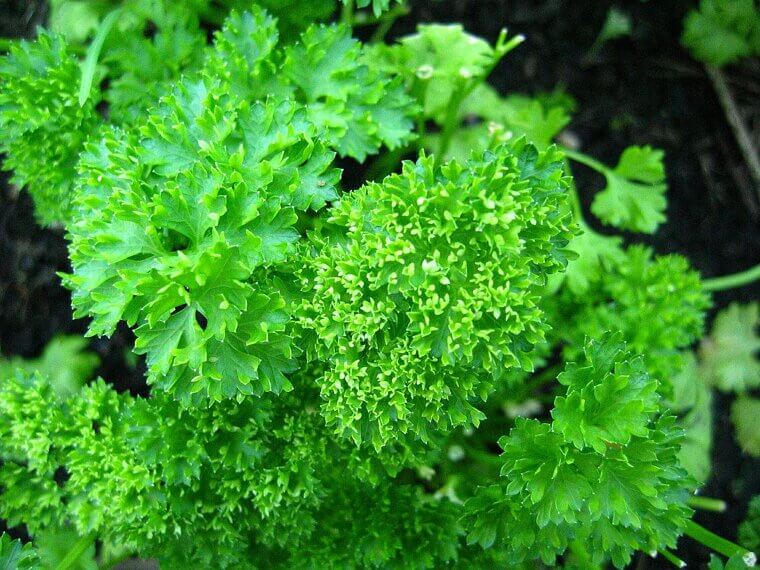
By harvesting the outer leaves first, you encourage the center to keep producing fresh growth, ensuring you always have a handful of vitamins ready for your morning smoothies or soups.
Feathery Dill: The Quick-Growing Aromatic
Dill is a delightful spice to grow indoors because it grows incredibly fast and adds a soft, whimsical look to your herb collection. While it can grow quite tall, keeping it in a dedicated pot and pruning it regularly will help it stay bushy and manageable for your countertop. It thrives in well-draining soil and appreciates a good amount of light, but it is surprisingly adaptable to varying indoor conditions.
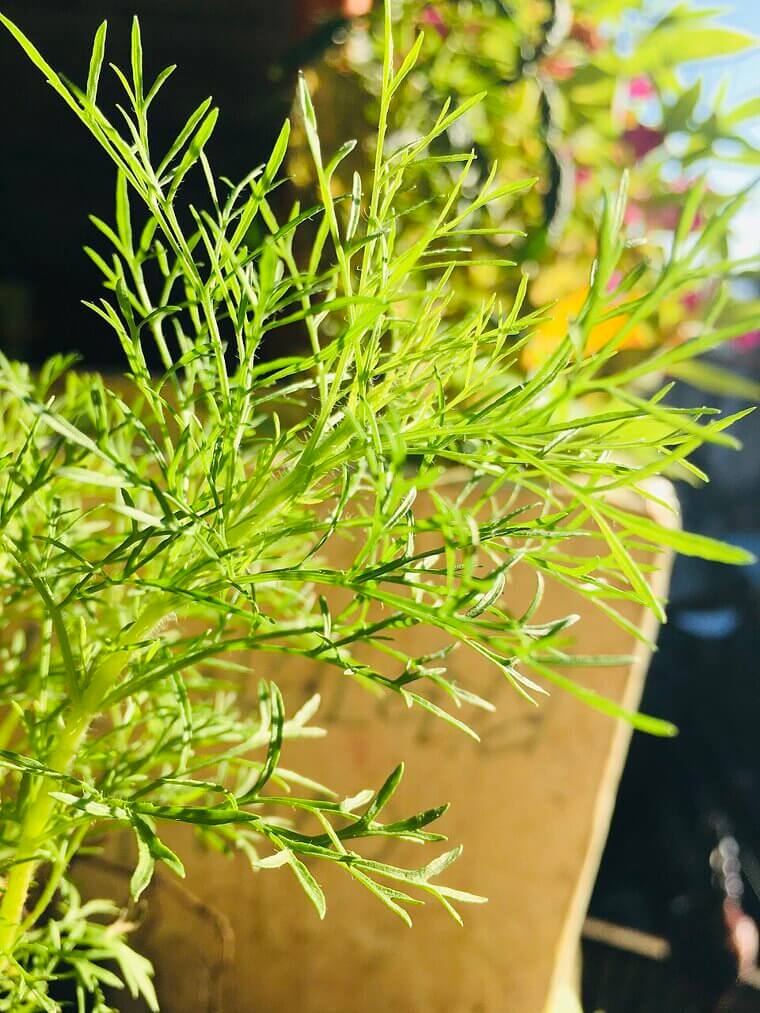
Its delicate fronds offer a refreshing, citrusy tang that is essential for homemade pickles, creamy dips, and seasoning fresh seafood dishes all year long.
Sweet Marjoram: The Mild-Mannered Mediterranean
Often called the "gentle cousin" of oregano, marjoram is a wonderful indoor spice because it lacks the aggressive spreading nature of other herbs. It prefers the stable temperatures of a home and grows beautifully in a small container on a sunny ledge. Marjoram is allegedly more sensitive to cold than its relatives, making it the perfect candidate for permanent indoor residency where it can stay warm and cozy.
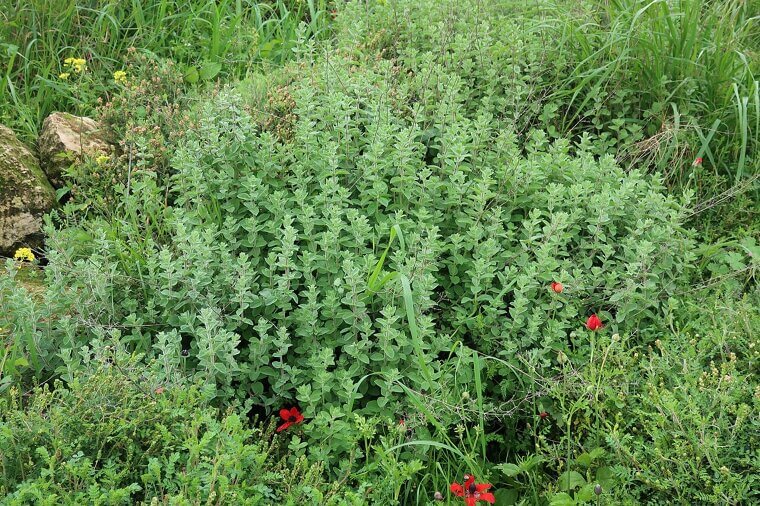
Its sweet, floral undertones are a secret weapon in the kitchen, adding a sophisticated depth to tomato sauces, dressings, and herb-infused oils during any month of the year.
French Tarragon: The Licorice-Scented Perennial
French Tarragon is a sophisticated addition to any indoor spice rack, known for its distinct anise-like flavor. While it requires a period of dormancy in the winter if grown outdoors, keeping a pot in a cool but bright room allows you to enjoy its slender, aromatic leaves for a much longer period. It doesn’t like "wet feet," so as long as you provide a pot with excellent drainage, it is relatively low-maintenance.
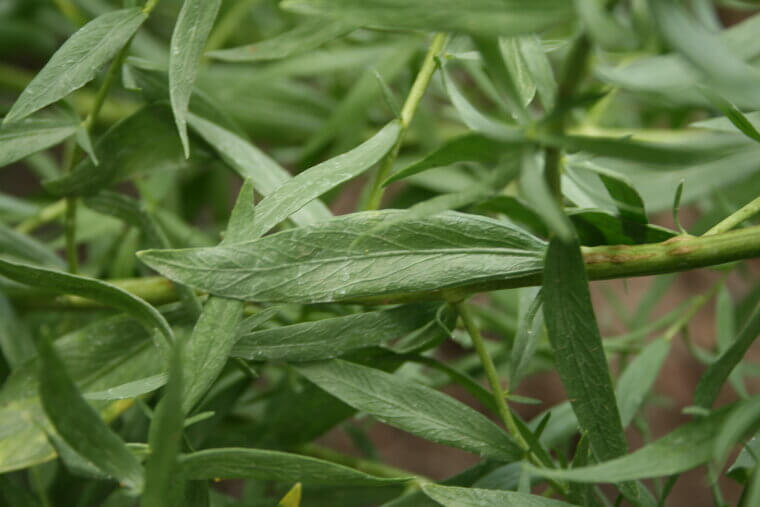
This spice is a hallmark of classic French cuisine, and having a fresh supply at your fingertips makes elevating a simple chicken or egg dish incredibly easy.
Summer Savory: The Peppery Year-Round Companion
Despite its name, Summer Savory can be grown quite successfully indoors during any season. It is a fast-growing annual that produces slender leaves with a flavor profile that sits somewhere between thyme and marjoram. It is reportedly very easy to start from seed, and because it has a compact growth habit, it won’t take over your kitchen counter. It loves a bright spot and regular watering.
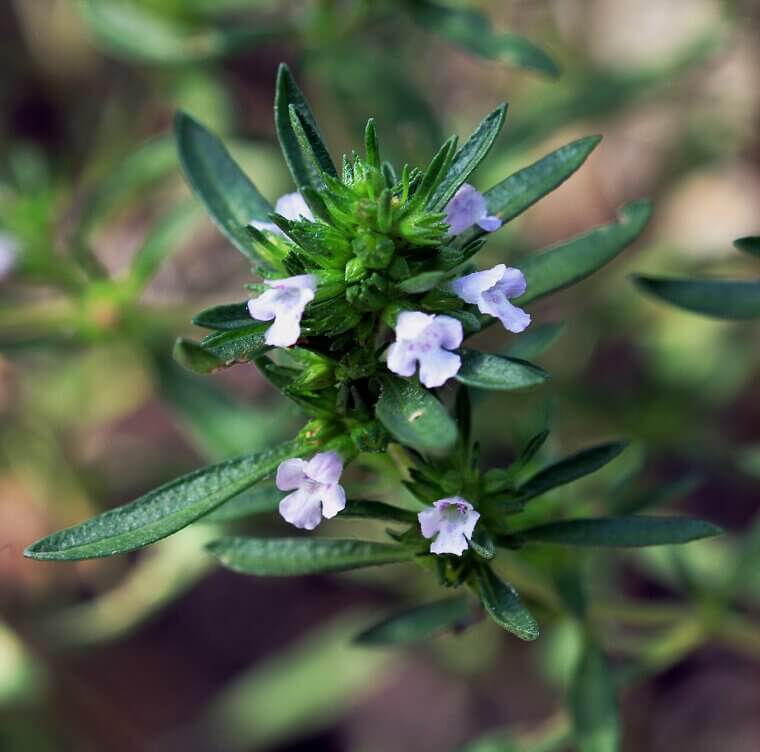
Your efforts will be rewarded with a steady supply of peppery greens that are traditionally used to season beans, stews, and heavy winter comfort foods.
Calming Lemon Balm: The Fragrant and Forgiving Mint Relative
Lemon Balm is a member of the mint family, which means it shares that famous "hard-to-kill" DNA. It is a vigorous grower that fills the air with a bright, lemony scent every time you brush against its leaves. Unlike some spices that demand intense sunlight, lemon balm is reportedly quite happy in partial shade, making it ideal for homes that don't get 10 hours of direct sun.
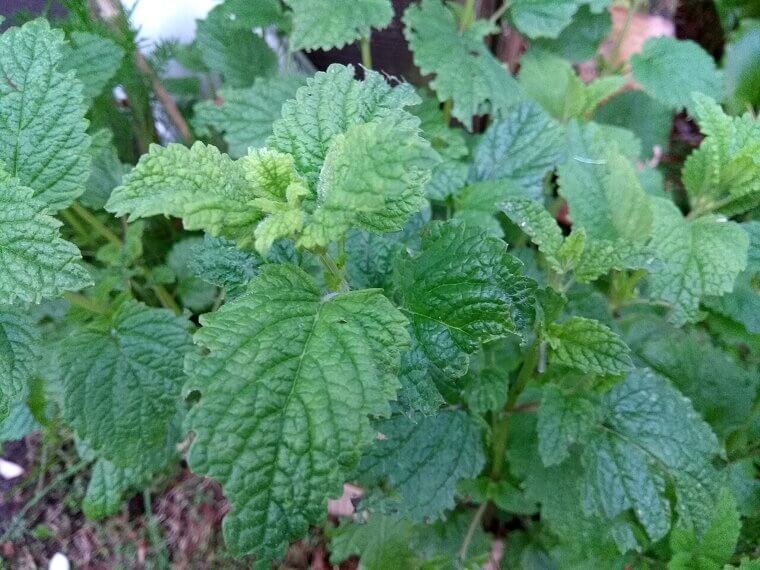
It is a perennial that provides a lush, green presence year-round, and its leaves can be steeped into a relaxing tea or used to add a citrusy zing to desserts.
Regal Bay Laurel: The Slow-Growing Kitchen Tree
Bay Laurel is a unique spice to grow at home because it technically grows as a small evergreen tree or shrub. Because it is a slow grower, it is perfectly suited for life in a large decorative pot in a sunny corner of your dining room. It is remarkably hardy and can tolerate the lower light levels of winter without losing its thick, leathery leaves.
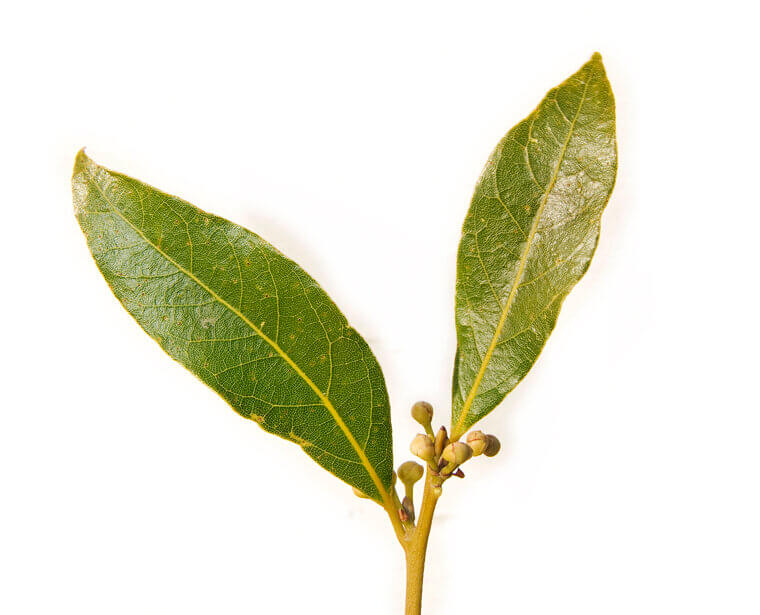
Having your own bay tree means you can harvest a fresh leaf whenever a recipe calls for one, providing a much more potent, floral aroma than the brittle, dusty leaves found in store-bought jars.
Earthy Fenugreek: The Fast-Acting Micro-Spice
Fenugreek is a hidden gem for indoor gardeners who want quick results. You can grow it for its seeds, but the leaves—known as "methi"—are a delicious, nutty spice that grows incredibly fast from seed. It is remarkably undemanding and can be grown in shallow trays or pots, making it a great choice for those with limited space. Fenugreek is reportedly very tolerant of different light levels and provides a unique, maple-like aroma to your kitchen.
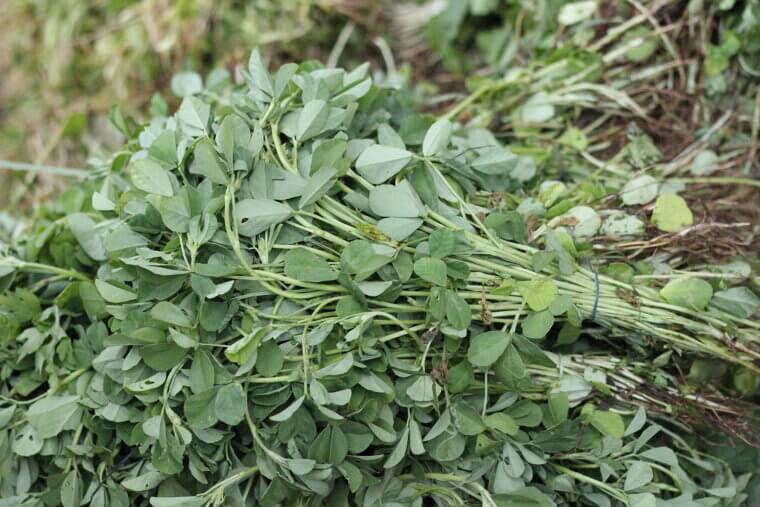
It’s an essential spice for authentic curries and is incredibly satisfying to harvest just weeks after planting.
Hardy Cumin: The Sun-Loving Seed Producer
Cumin is a staple in many kitchens, and while it is often grown for its seeds, the plant itself is quite attractive with fine, feathery foliage. It requires a long, warm growing season, which is why the controlled environment of a warm indoor room is actually better for it than a fickle outdoor climate. As long as you place it in your sunniest window, it will thrive and eventually produce small umbels of flowers.
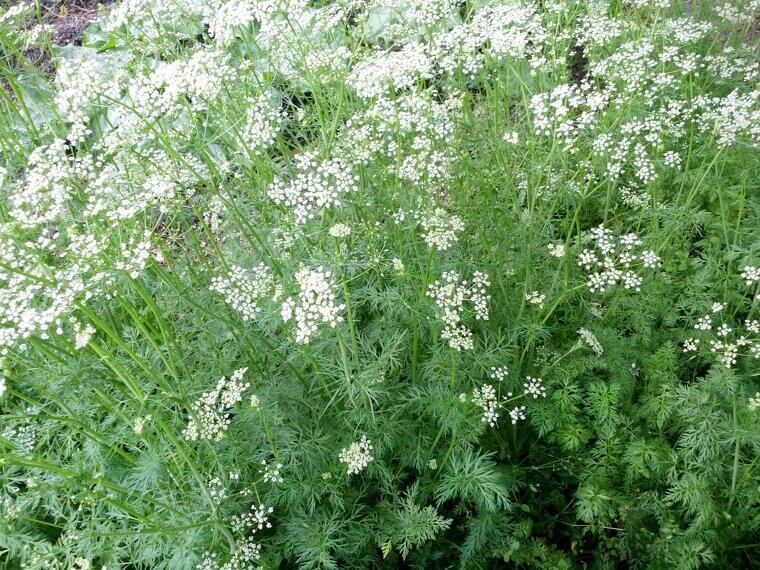
And these turn into the seeds we use for that quintessential earthy flavor. Growing it yourself ensures your cumin is as fresh and aromatic as possible.
Traditional Caraway: The Biennial Beauty
Caraway is famously used in rye breads and sauerkraut, but the plant itself is a lovely addition to an indoor collection. It is a member of the carrot family and produces beautiful, lace-like leaves during its first year of growth. Because it is a biennial, it is very hardy and can withstand the cooler drafts that might come through a window in the winter. It prefers a deep pot to accommodate its taproot.
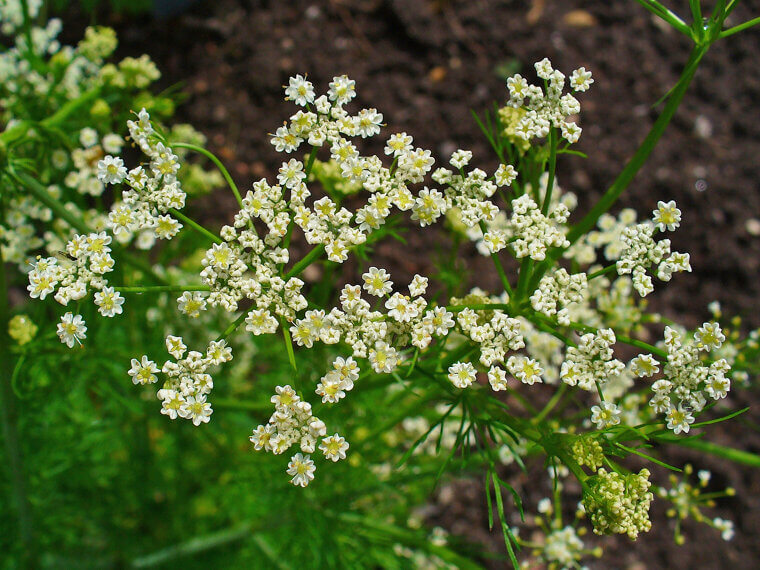
But is otherwise very low-maintenance. The leaves can be used as a mild spice, while the seeds provide that classic, pungent crunch.
Florence Fennel: The Anise-Flavored Wonder
Fennel is a versatile plant where every part—the bulb, the stalks, and the feathery fronds—can be used as a spice or vegetable. Growing it indoors in a deep container allows you to control the moisture levels it craves, as it reportedly dislikes drying out completely. The delicate, thread-like leaves have a wonderful licorice flavor and make a stunning, airy addition to your indoor greenery. Even if you don't grow it for the large bulb, it's a worthwhile endeavor.
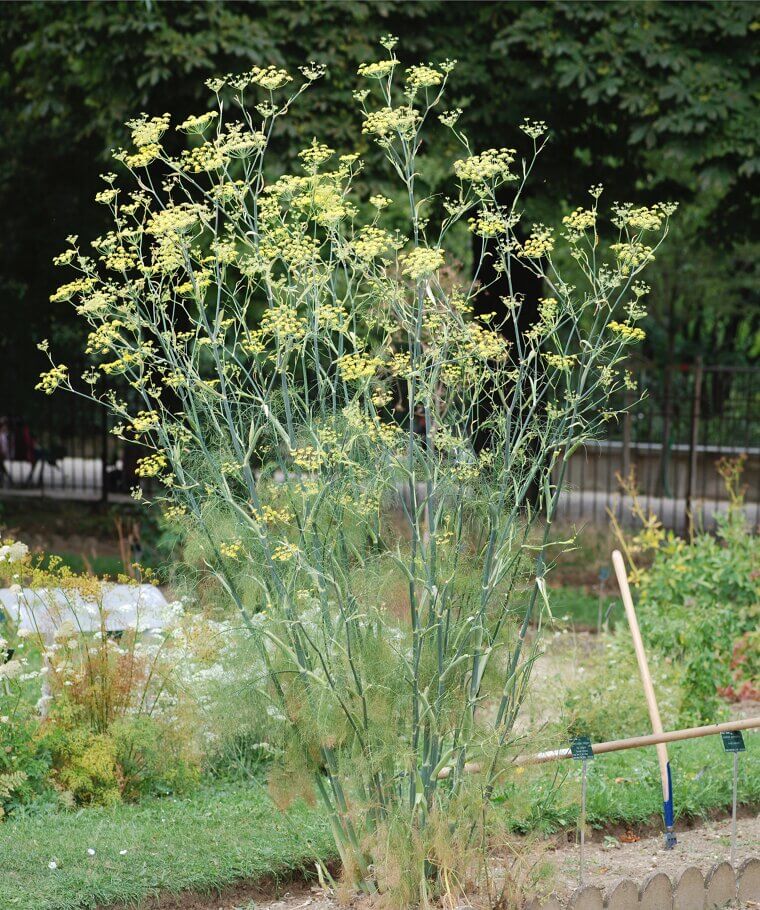
The constant supply of fresh fronds provides a sophisticated seasoning for salads, fish, and garnishes all through the year.
Fresh Coriander: The Cool-Temp Specialty
Coriander (the seeds) and Cilantro (the leaves) come from the same plant, and it is one of the best spices for indoor growing. Because this plant tends to "bolt" or go to seed quickly in the heat of a summer garden, the steady, cooler temperatures of a home actually help it produce leaves for a longer period. It is very easy to grow from the seeds you might already have in your pantry!
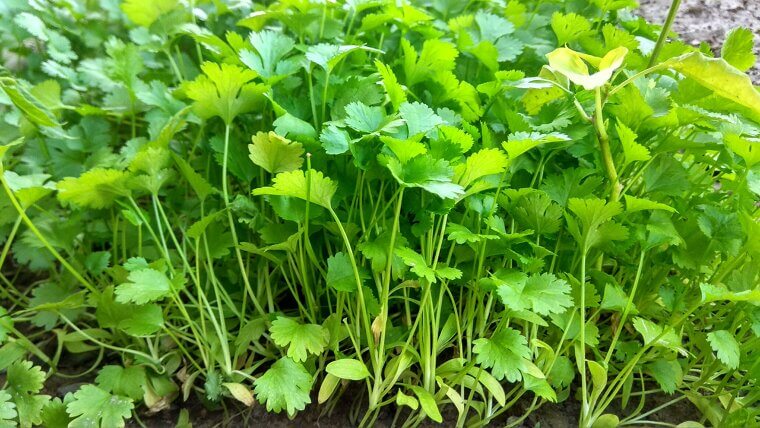
Providing it with a deep pot and a bright, indirect light source will keep it flourishing, giving you a constant supply of that bright, citrusy flavor.
Spicy Mustard Greens: The Zesty Indoor Quick-Crop
If you want a spice that packs a punch and grows in record time, mustard greens are the answer. These plants are incredibly hardy and thrive in the cooler temperatures of a windowsill. They don't need much space and can be grown as "microgreens" for a concentrated spicy kick or allowed to mature for a more robust flavor. Mustard is reportedly one of the easiest plants to start from seed.
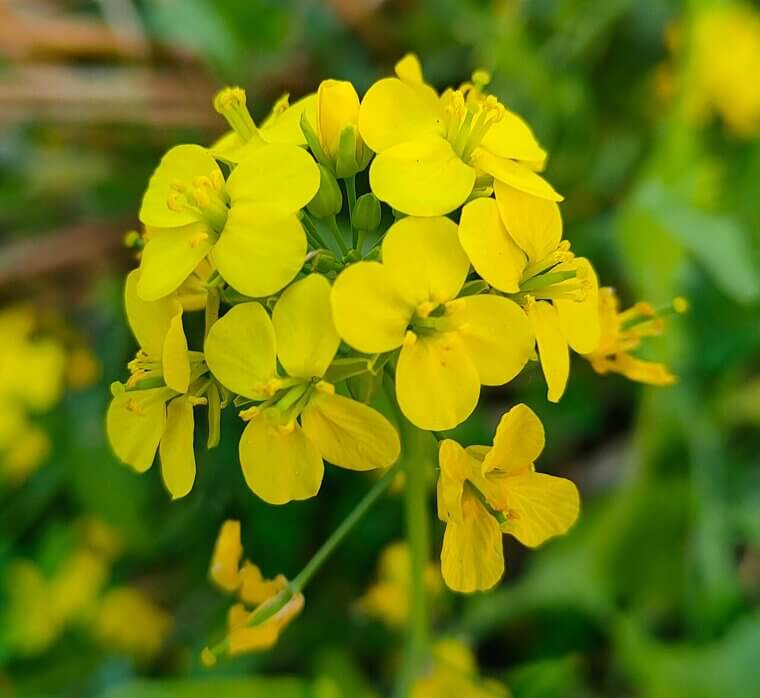
And because it grows so quickly, it is a great way to keep your indoor garden productive and exciting during the dark winter months.
Paprika Peppers: The Colorful Indoor Ornamental
While we often think of paprika as a powder, it actually comes from specific varieties of mild red peppers that are surprisingly easy to grow in a pot. These plants love the warmth of a home and can produce fruit year-round if given enough light, such as a south-facing window or a simple grow light. The plants are naturally compact and very decorative, with bright red peppers popping against deep green leaves.
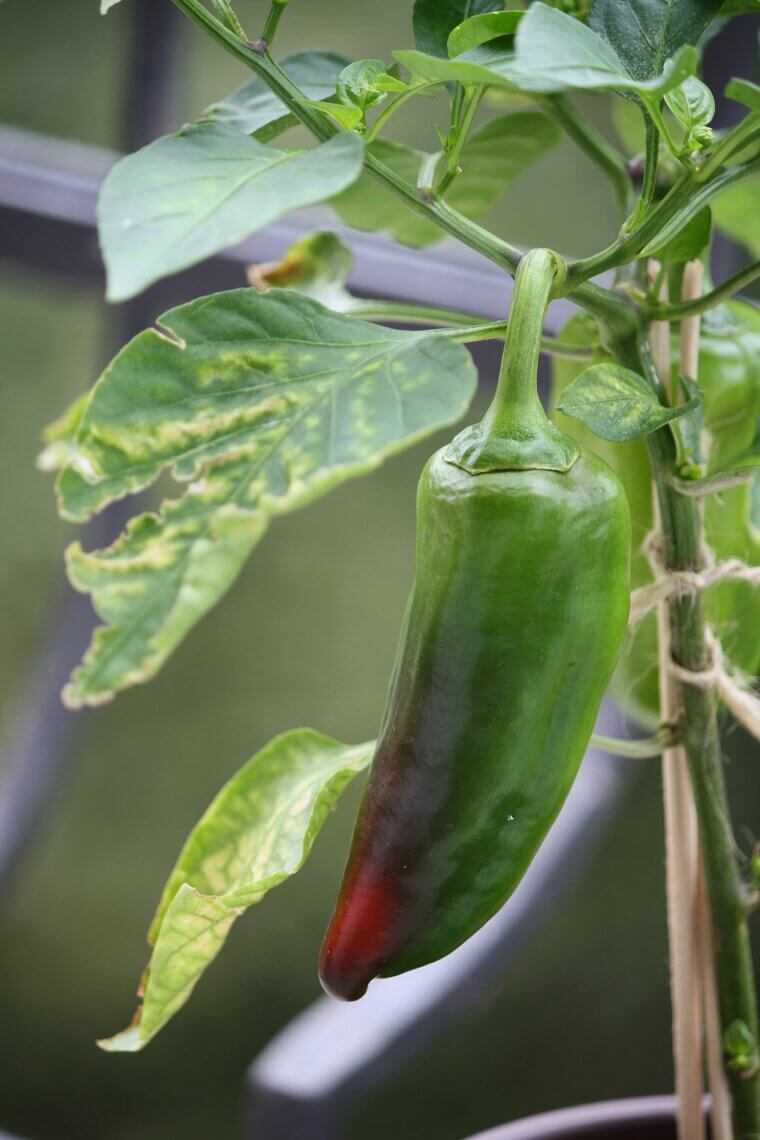
Once the peppers are ripe, you can dry and grind them yourself, resulting in a paprika that is infinitely more vibrant than anything from a store.
Tropical Lemongrass: The Water-Loving Tall Grass
Lemongrass brings a touch of the tropics to your home and is incredibly easy to start—you can often root a stalk from the grocery store in a glass of water! Once it has roots, move it to a pot with rich soil and keep it in a bright, warm spot. Lemongrass is a grass, so it loves a bit of humidity and consistent moisture. It grows vertically, making it a great "floor plant" near a sunny sliding door.
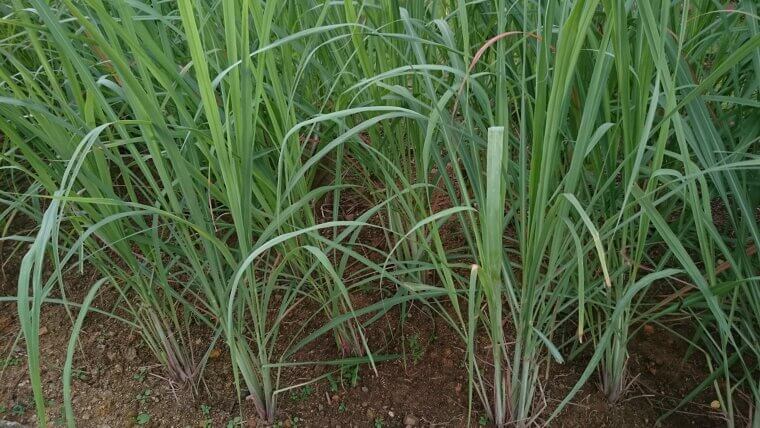
Its citrus-scented stalks are a staple in Asian cuisine and can be harvested piece by piece throughout the year.
Vietnamese Coriander: The Heat-Loving Alternative
If your kitchen gets a bit too warm for traditional cilantro, Vietnamese Coriander is the perfect substitute. This spice thrives in heat and humidity, making it very happy in a kitchen environment. It has a more pungent, peppery-lemon flavor and is reportedly much easier to keep alive than regular cilantro because it doesn't go to seed as quickly. It is a spreading plant that looks great in a hanging basket.
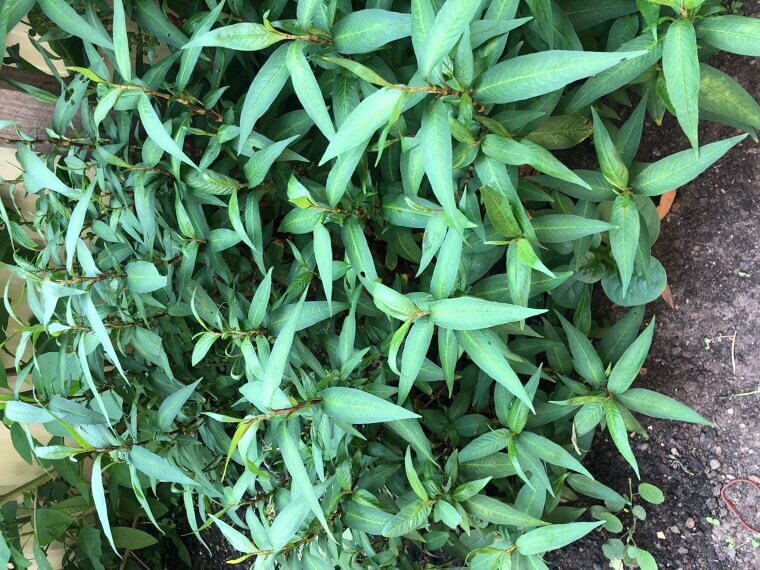
Simply snip the tips to encourage more growth, and you’ll have a spicy, aromatic herb ready for your soups and stir-fries whenever you need it.
Sweet Stevia: The Natural Sugar Substitute
Stevia is a fascinating plant to grow at home, especially for those looking to reduce their sugar intake. The leaves of this plant are remarkably sweet—much sweeter than table sugar—and can be used fresh or dried to sweeten teas and desserts. Stevia is a warm-weather plant that is perfectly suited for indoor life, where it can be protected from the frost. It prefers well-drained soil and a sunny spot on the windowsill.
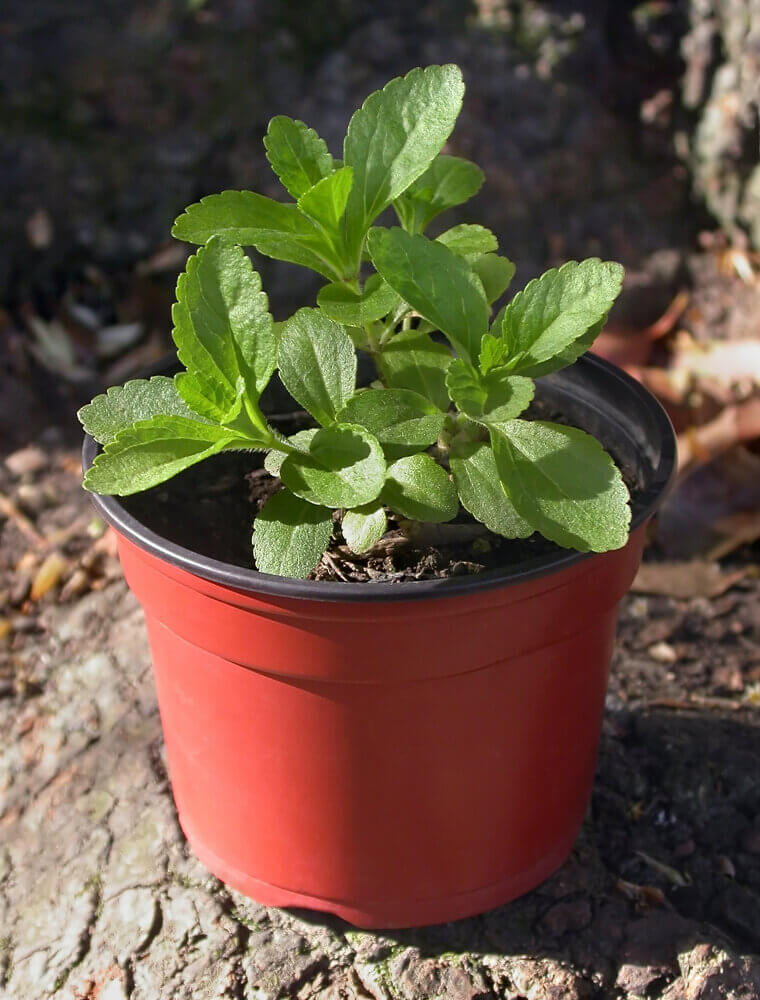
Growing it yourself is allegedly quite simple, and it’s a fun conversation piece to have guests taste a leaf straight from the plant.
Bold Lovage: The Celery-Scented Giant
Lovage is a powerhouse of flavor, with a taste that is often described as a concentrated version of celery with a hint of anise. While it can grow quite large outdoors, keeping it in a pot indoors naturally stunts its size, making it a manageable and productive spice for your home. It is an extremely hardy perennial that doesn't mind the lower light levels of a typical house.
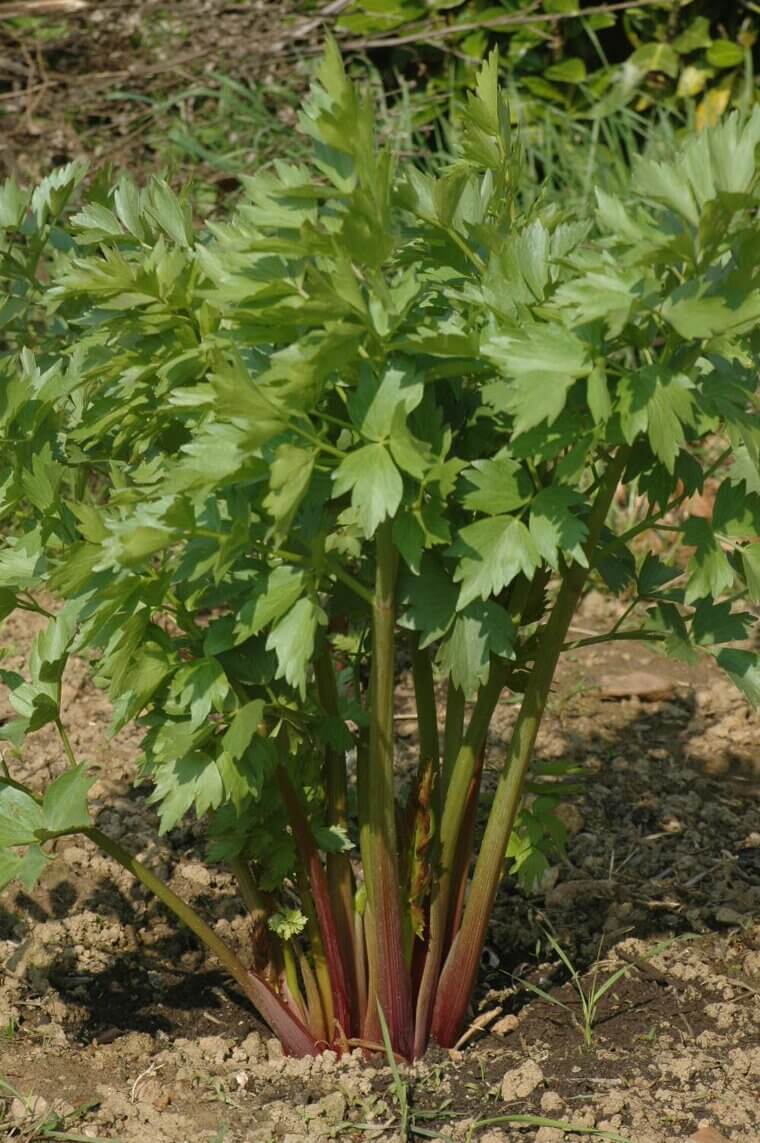
A single plant provides enough leaves to flavor an entire season’s worth of soups, stews, and salads, making it an incredibly efficient use of your indoor gardening space.
Beautiful Borage: The Cucumber-Flavored Star
Borage is famous for its stunning blue, star-shaped flowers and its unique flavor that tastes exactly like fresh cucumbers. It is a hardy plant that grows well in containers and is reportedly very easy to start from seed. While it is often grown for its edible flowers, the young leaves are also used as a spice in various Mediterranean dishes. Borage is quite adaptable to indoor life and adds a beautiful, soft texture to your herb collection.
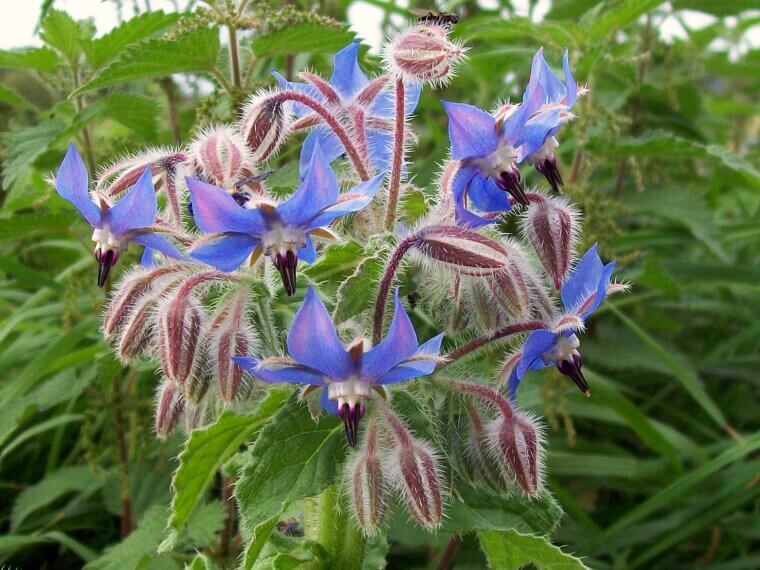
It’s a great way to bring a bit of "summer garden" flavor into your home even in the middle of January.
Delicate Chervil: The "Gourmet's Parsley"
Chervil is a cornerstone of French cooking but is often hard to find fresh in stores, which is why growing it at home is such a treat. It is a delicate plant that prefers the cooler, shadier spots in a house, making it perfect for windows that don't get harsh, direct sun. Its flavor is a subtle mix of parsley and anise, and it is reportedly much more flavorful when used fresh rather than dried.
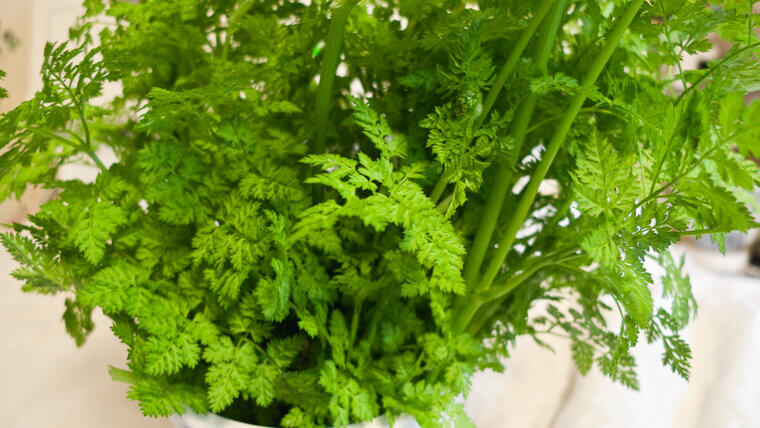
Chervil grows quickly and has a lovely, lace-like appearance that looks elegant in any small decorative pot on your kitchen counter.
Fragrant Curry Leaf: The Authentic Aromatic Tree
The Curry Leaf tree is not to be confused with curry powder (which is a blend of spices), but it is the essential ingredient for authentic South Indian cuisine. While it grows into a tree in tropical climates, it is very happy as a potted plant indoors. It loves warmth and bright light, making it a great companion for a sunny breakfast nook. The leaves are incredibly aromatic.
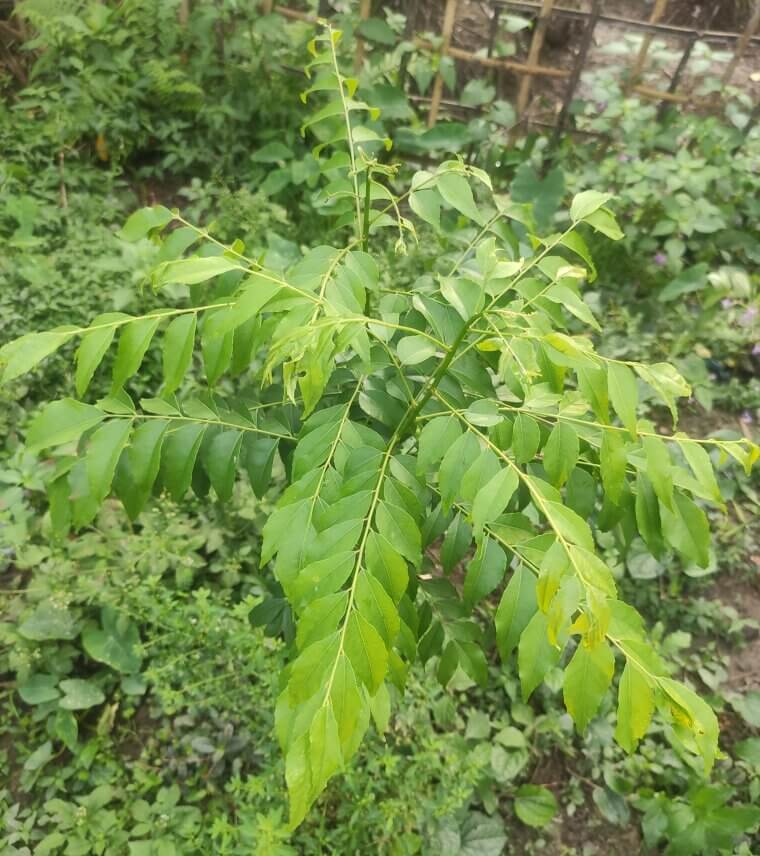
And having your own plant means you can enjoy that fresh, nutty-citrus scent that simply cannot be replicated by dried leaves. It is a slow-growing, long-lived indoor companion.
Zesty Kaffir Lime: The Double-Leafed Wonder
The Kaffir Lime (or Makrut Lime) is prized not for its juice, but for its incredibly fragrant, "double-lobed" leaves which are a staple spice in Thai and Indonesian cooking. This citrus plant is very well-suited for indoor life and can be kept at a manageable size with regular pruning. It reportedly loves a humid environment, so a little misting or a pebble tray will keep it thriving. The scent of the crushed leaves is unlike anything else.
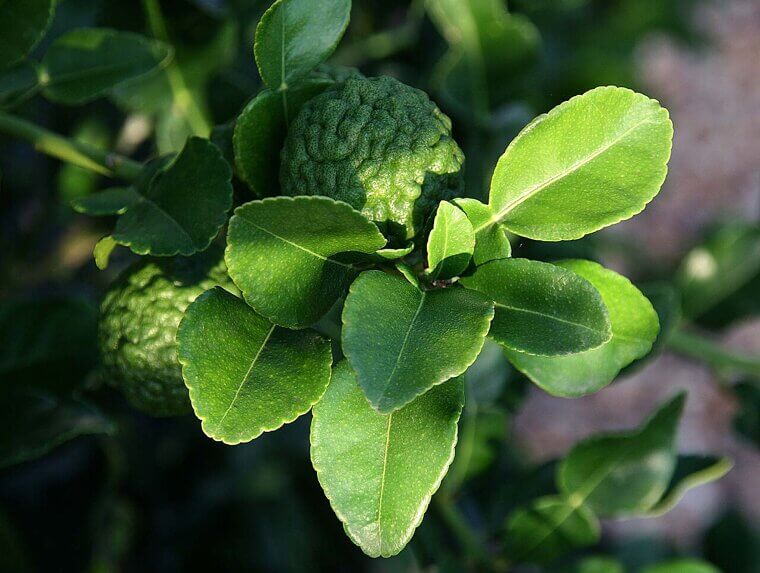
It's bright, floral, and intensely lime—making it a must-have for any adventurous home cook’s indoor garden.
Unique Shiso: The Japanese Mint Relative
Shiso, also known as Perilla, is a beautiful and flavorful spice used extensively in Japanese cuisine. It comes in both green and purple varieties, both of which are quite easy to grow indoors. Shiso is related to mint, so it is a vigorous grower that doesn't require a lot of fuss. It prefers moist soil and a decent amount of light but is otherwise very adaptable. The leaves have a complex flavor profile.
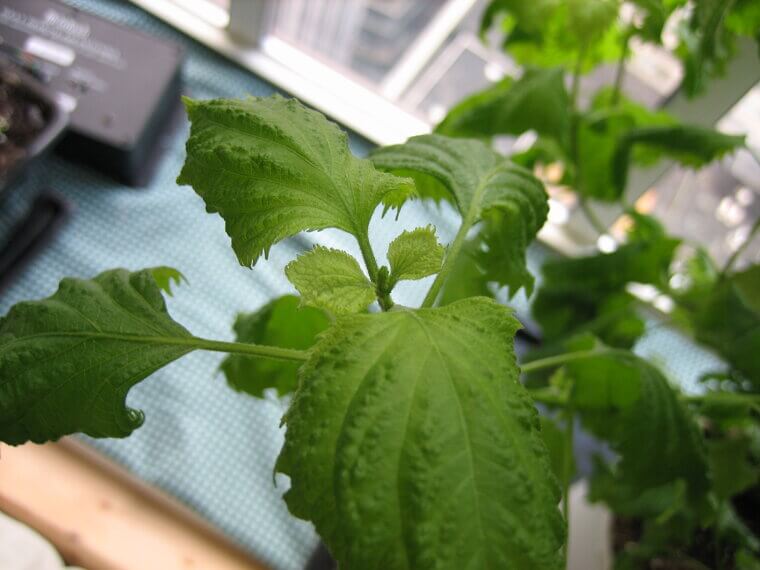
They have notes of basil, mint, and cinnamon—and they add a stunning pop of color and flavor to everything from sushi to summer salads.
Ancient Hyssop: The Bittersweet Biblical Herb
Hyssop is a hardy, woody shrub that has been used as a spice and a medicinal herb for centuries. It produces beautiful spikes of purple flowers and small, aromatic leaves that have a slightly bitter, minty flavor. Indoors, it stays relatively compact and is very easy to care for, as it is reportedly quite drought-tolerant and doesn't mind the dry air of a home. It is often used to flavor heavy meats and soups.
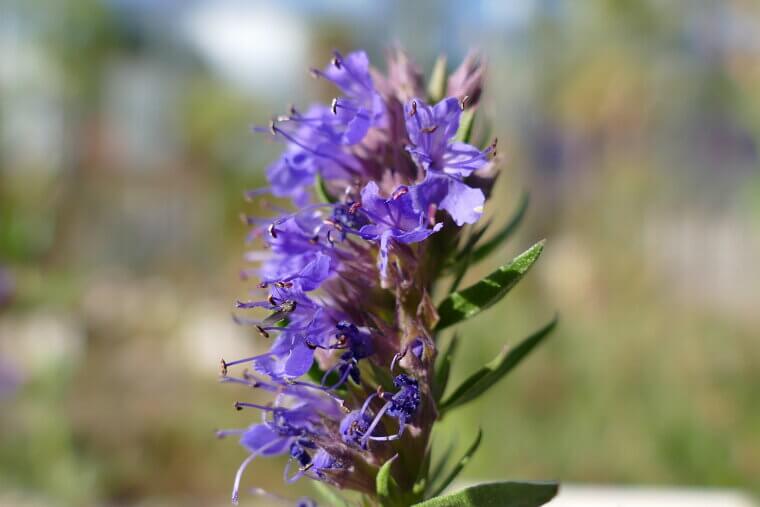
And its colorful blooms make it one of the most attractive spices you can grow on a sunny windowsill throughout the year.