
Octopuses Have Three Hearts and Blue Blood
An octopus is essentially a masterpiece of alien-like engineering. It possesses three separate hearts: two pump blood to the gills to take in oxygen, while the third, larger heart circulates that oxygenated blood to the rest of the body. Curiously, when an octopus swims, the systemic heart actually stops beating, which is why these creatures prefer crawling to save energy. Furthermore, their blood is blue because it is copper-based rather than iron-based.
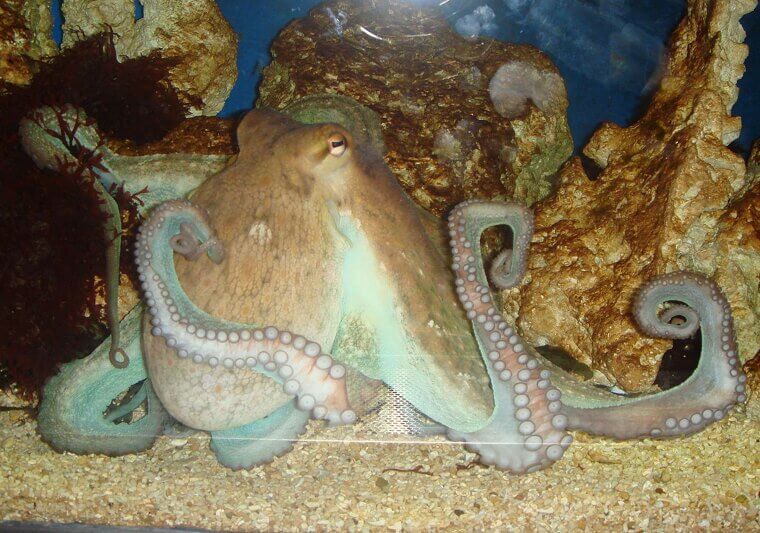
This copper-rich protein, called hemocyanin, is much more efficient at transporting oxygen in the cold, low-oxygen environments of the deep ocean.
A Snail Can Sleep for Three Years Without Eating
If you think a long winter nap sounds nice, you have nothing on the common land snail. These mollusks require moisture to survive, and if the weather is too dry or too cold, they can enter a state of extreme dormancy. They retreat into their shells and seal the opening with a layer of dried mucus. In this state, their metabolism slows down to a crawl.
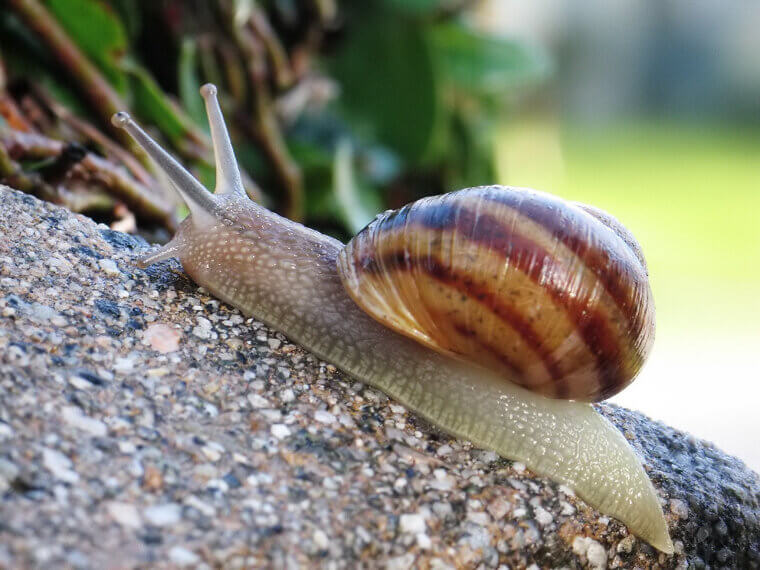
It allows them to survive for up to three years without a single meal. They are reportedly waiting for the perfect humidity levels to return before they finally wake up.
Wombats Are the Only Animals That Produce Cube-Shaped Droppings
In one of the most puzzling quirks of the animal kingdom, the Australian wombat produces scat that looks like perfect little blocks. For a long time, scientists were baffled as to how a round intestine could produce a square shape. Recent studies revealed that the last section of a wombat's intestine has varied levels of elasticity, with some parts being stiff and others flexible. As the waste dries out, these varying pressures mold the material into flat-sided cubes.
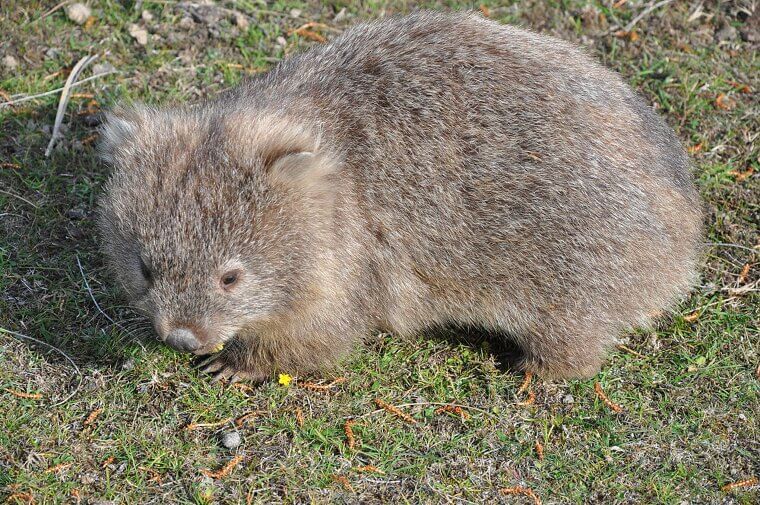
This prevents the droppings from rolling away, allowing the wombat to mark its territory effectively.
Reindeer Eyes Change Color From Gold to Blue in the Winter
Reindeer have a biological "light switch" in their eyes that helps them survive the extreme seasons of the Arctic. During the summer, when the sun never sets, their eyes are a shimmering gold color to reflect the excess light. However, during the dark, permanent night of winter, the "tapetum lucidum" behind their retina changes to a deep, sapphire blue. This shift increases the sensitivity of the eye, allowing the reindeer to see in near-total darkness.
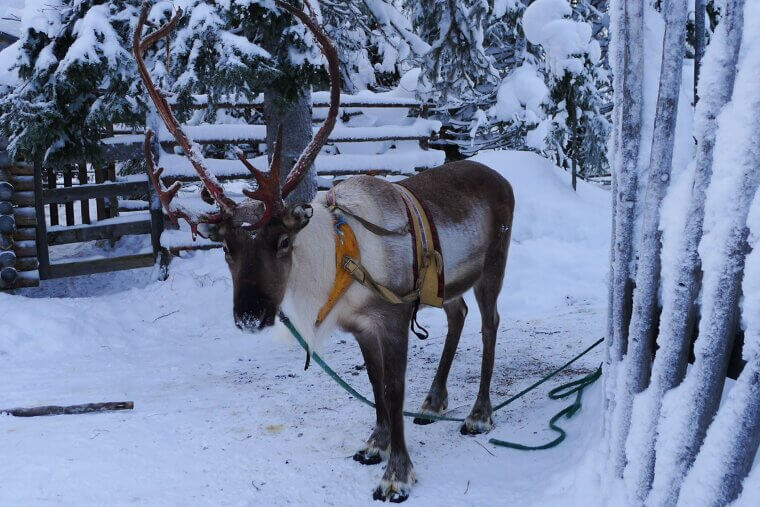
It is the only mammal known to undergo such a dramatic, functional change in eye color to match the environment.
Flamingos Are Only Pink Because of the Food They Eat
If you’ve ever wondered why a flamingo looks like a piece of tropical fruit, the answer is in their diet. Flamingos are actually born with dull gray feathers. Their vibrant pink or orange hue comes from carotenoid pigments found in the brine shrimp and blue-green algae they consume. Their livers break down these pigments, which are then deposited into their feathers and skin. If a flamingo were to stop eating its favorite snacks, its feathers would eventually fade back to a pale white.
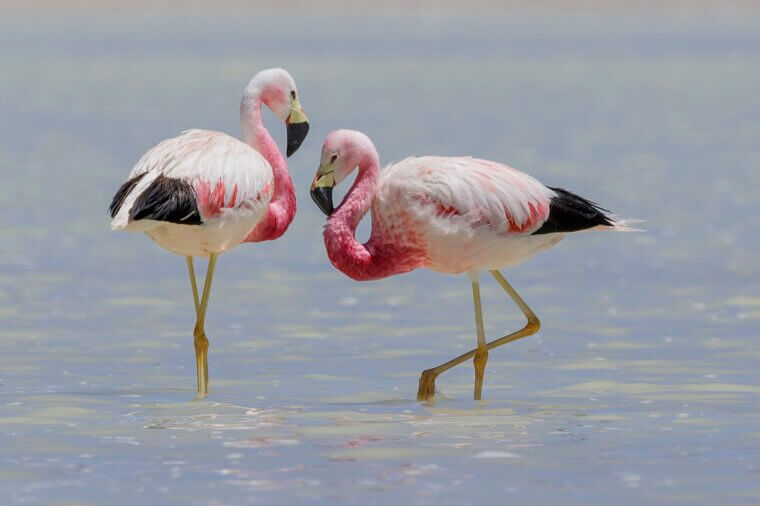
They are quite literally the living embodiment of the phrase "you are what you eat."
Wood Frogs Can Survive Being Literally Frozen Solid
In the forests of Alaska, wood frogs have mastered a medical miracle that humans are still trying to figure out: cryopreservation. When winter hits, these frogs stop breathing and their hearts stop beating. Up to 65% of the water in their bodies turns to ice. They spend weeks as "frog-shaped ice cubes." They survive because their livers produce massive amounts of glucose, which acts like a natural antifreeze, preventing ice crystals from piercing their cell walls.
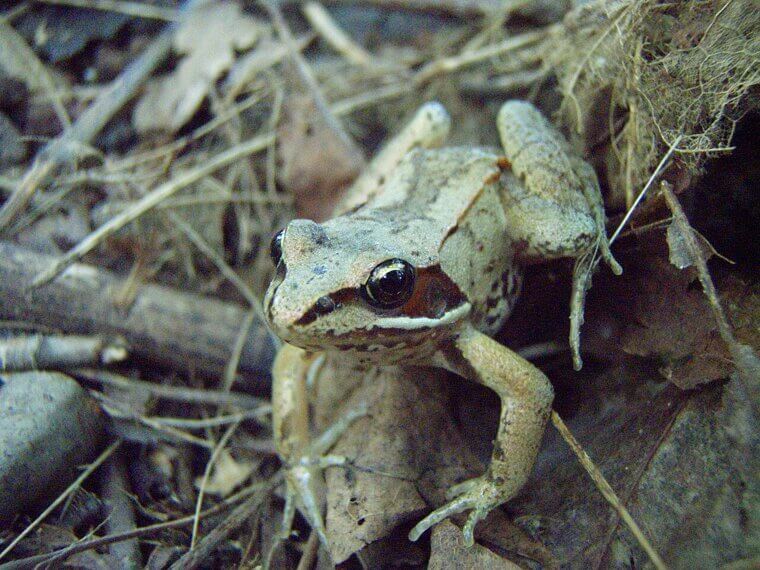
When the spring thaw arrives, the frogs simply melt, their hearts jump-start, and they hop away as if nothing happened.
Cows Have Best Friends and Get Stressed When Separated
We often think of farm animals as a monolithic herd, but cows are actually very social creatures with complex emotional lives. Research has shown that cows form strong bonds with specific individuals within their group—essentially "best friends." When these pairs are kept together, their heart rates are lower and they show signs of relaxation. Conversely, when a cow is separated from its preferred companion, it reportedly experiences significant stress, characterized by increased heart rates and vocalizations.
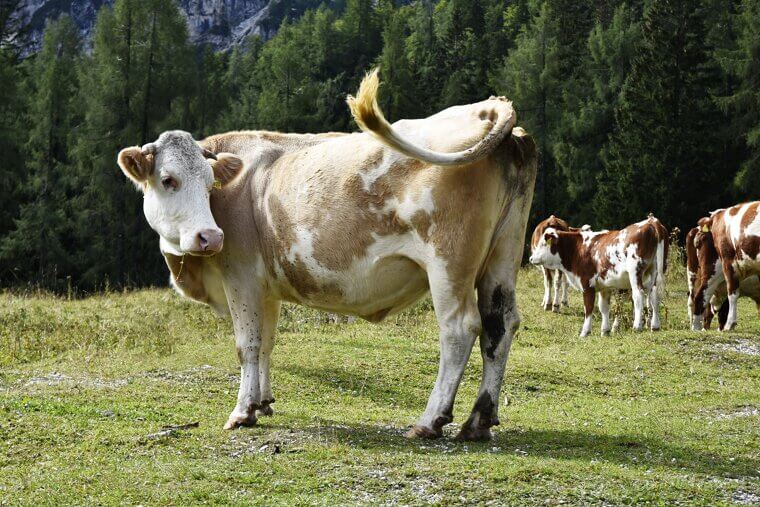
This suggests a level of social intelligence and emotional depth that many people find surprising for a common barnyard animal.
A Shrimp’s Heart Is Located in Its Head
If you were to look for a shrimp's pulse, you’d need to check its "noggin" rather than its chest. Because of their unique anatomy, a shrimp's heart is located in its cephalothorax, which is basically the head and thorax fused together. The heart sits right behind the brain. In fact, most of a shrimp’s vital organs, including the stomach and ovaries, are located in its head area.
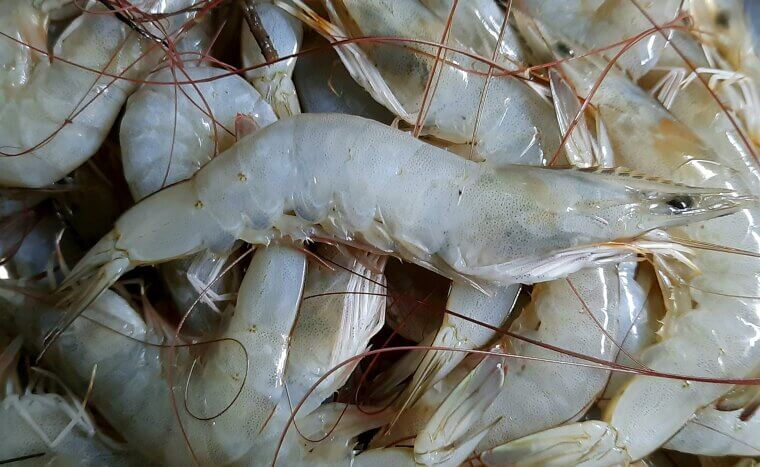
This compact design is protected by a thick exoskeleton, ensuring that the most sensitive parts of the shrimp are shielded from predators while they scurry along the ocean floor.
Butterflies Taste Their Food Using Their Feet
While humans use their tongues to enjoy a meal, butterflies use their feet to decide if a leaf is "tasty" enough for their offspring. They possess chemoreceptors on their tarsi (the ends of their legs) that are similar to human taste buds. When a butterfly lands on a plant, it "drums" its feet to release the plant's juices and sense the chemical makeup. This is a survival mechanism.
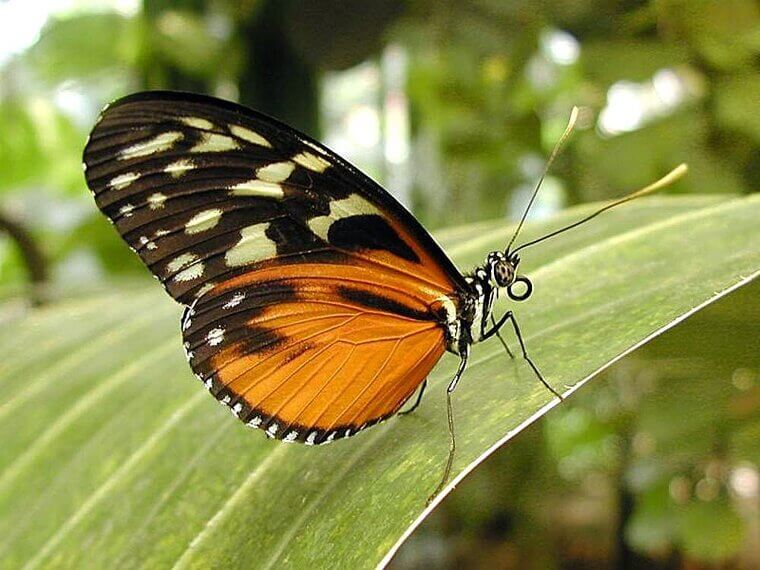
It allows the butterfly to confirm that a plant is the correct species and isn't toxic before it commits to laying its eggs or taking a sip of nectar.
Male Seahorses Are the Ones Who Give Birth
In a complete reversal of traditional biological roles, it is the male seahorse that carries the young. The female seahorse deposits her eggs into a specialized "brood pouch" on the male's abdomen. The male then fertilizes the eggs and carries them for several weeks, providing them with oxygen and nutrients. When the time comes, the male undergoes muscular contractions to "deliver" hundreds of tiny baby seahorses into the water.
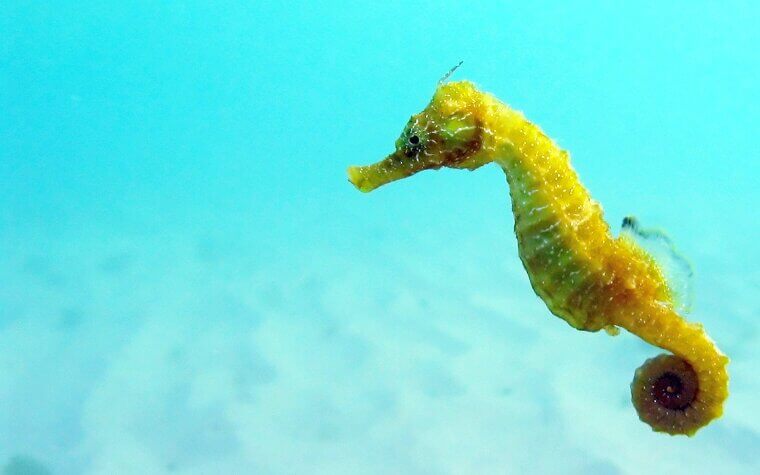
This unique arrangement allows the female to begin producing a new batch of eggs immediately, making seahorses incredibly efficient at reproducing.
Owls Do Not Have Eyeballs; They Have Eye Tubes
If you’ve ever noticed that an owl has to turn its entire head to look around, it’s because it can’t move its eyes. Instead of being spherical like ours, an owl's eyes are elongated and shaped like tubes. These tubes are held in place by bony structures called sclerotic rings, making them completely immobile. This means the owl can’t "glance" to the side.
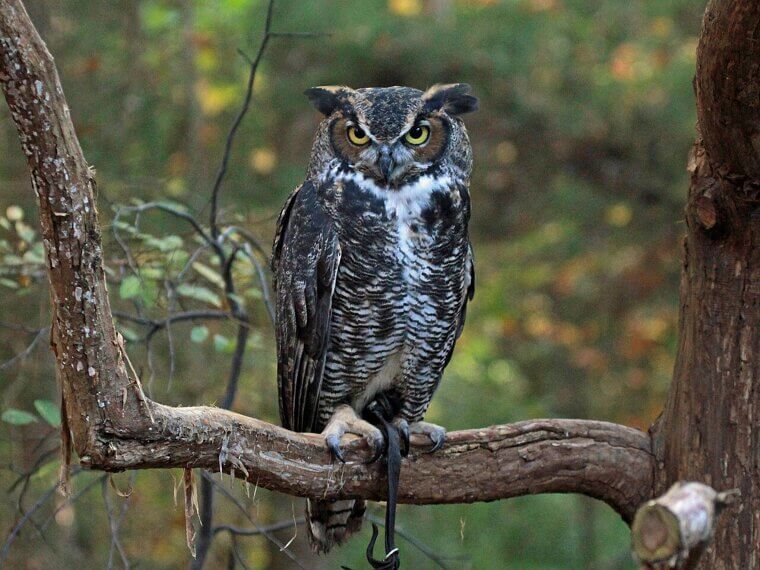
But the tubular shape provides a massive amount of light-sensing surface area, giving them legendary night vision. To compensate for the "locked" eyes, owls can rotate their necks an incredible 270 degrees.
Sloths Can Take Up to a Month to Digest a Single Meal
The sloth is famous for being slow on the outside, but it is just as slow on the inside. These creatures have a multi-compartment stomach, similar to a cow, but their metabolic rate is the lowest of any non-hibernating mammal. Because their diet consists mostly of tough, fibrous leaves that are low in calories and hard to break down, it can take two to four weeks for a single meal to pass through their entire system.
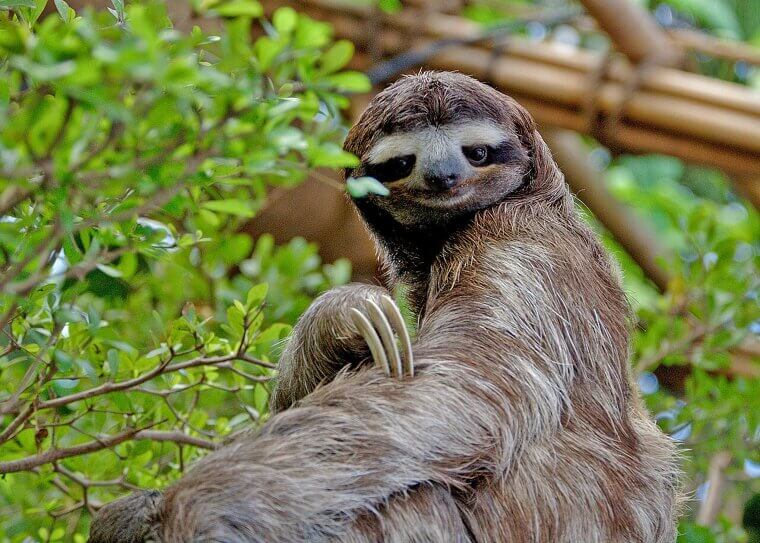
In fact, a sloth's stomach is so heavy that it can account for up to one-third of its total body weight.
Elephants Are the Only Animals That Cannot Jump
Despite being incredibly agile for their size and capable of running at decent speeds, elephants are physically incapable of getting all four feet off the ground at once. This is due to the way their leg bones are structured and the sheer mass of their bodies. Unlike most mammals, an elephant's leg bones all point downwards, meaning they don't have the "spring" in their step required for a leap. Their ankles are also not very flexible.
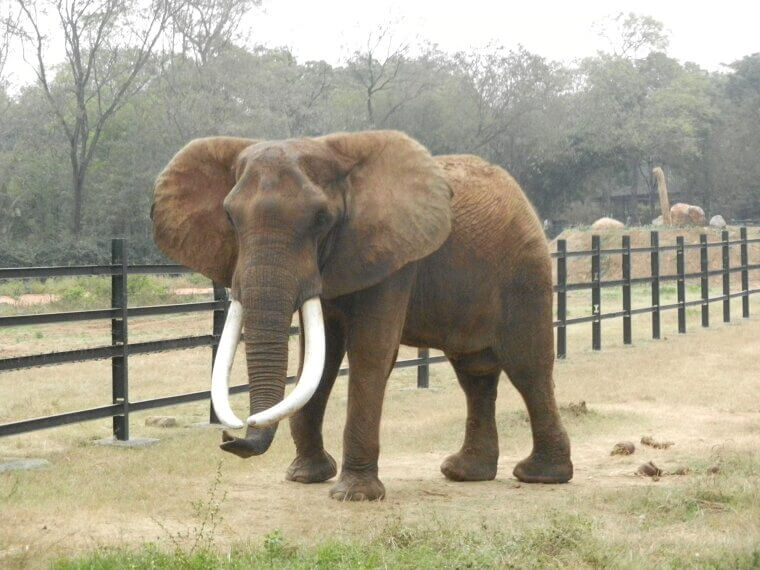
While they can climb steep hills and swim, a simple jump is a biological impossibility for the world's largest land mammal.
Honeybees Can Recognize Human Faces
You might think all bees look the same, but to a honeybee, you have a distinct look. Scientists have discovered that honeybees can be trained to recognize and remember specific human faces. They use a method called "configural processing," which involves piecing together the arrangement of eyes, nose, and mouth—the same way humans do. In experiments, bees were able to pick out a "target" face from a lineup to receive a sugar reward.
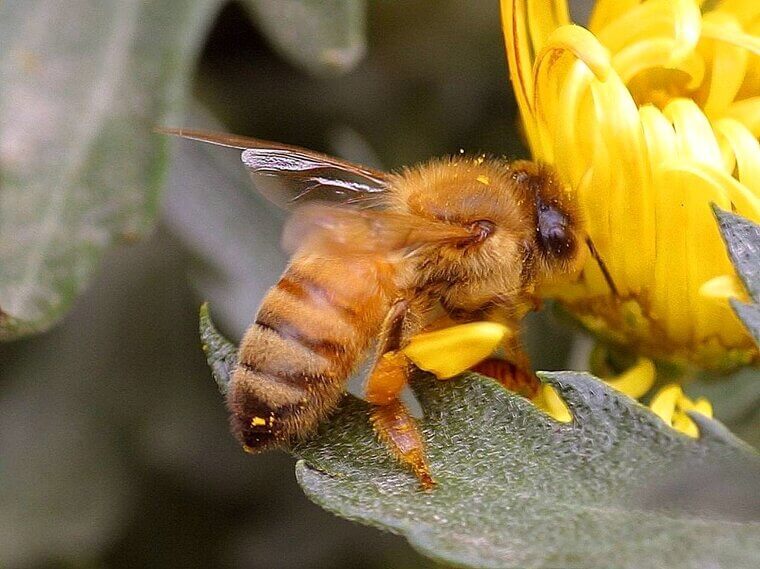
This suggests that despite having a tiny brain, bees possess advanced visual processing skills that were once thought to be exclusive to mammals.
A Crocodile Cannot Stick Its Tongue Out
In almost every cartoon or movie, you see crocodiles snapping their jaws with their tongues flopping about, but in reality, that is impossible. A crocodile’s tongue is attached to the roof of its mouth by a thick membrane that runs the entire length of the organ. This keeps the tongue held firmly in place and prevents it from moving. This is a functional adaptation.
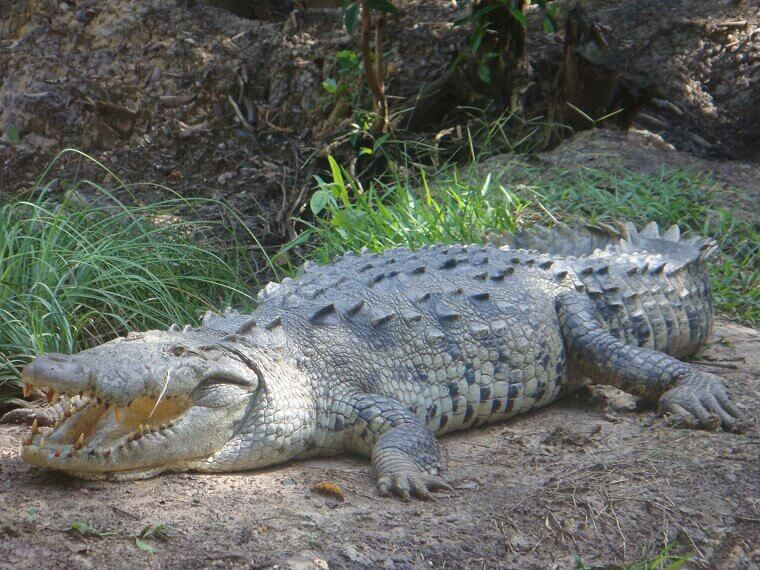
It prevents the tongue from getting in the way or being bitten when the crocodile snaps its powerful jaws shut on prey. Alligators have the same biological "tether," keeping their tongues permanently tucked away.
Platypuses Don't Have Stomachs
The platypus is already famous for being a "mismatch" of parts—duck bill, beaver tail, otter feet—but its internal anatomy is even weirder. A platypus does not have a stomach. When it eats, the food goes from the esophagus directly into its intestines. There is no sac that produces acid or digestive enzymes to break down food. Scientists believe that somewhere in their evolutionary history, the platypus (and its cousin the echidna) simply lost the genes for a stomach.
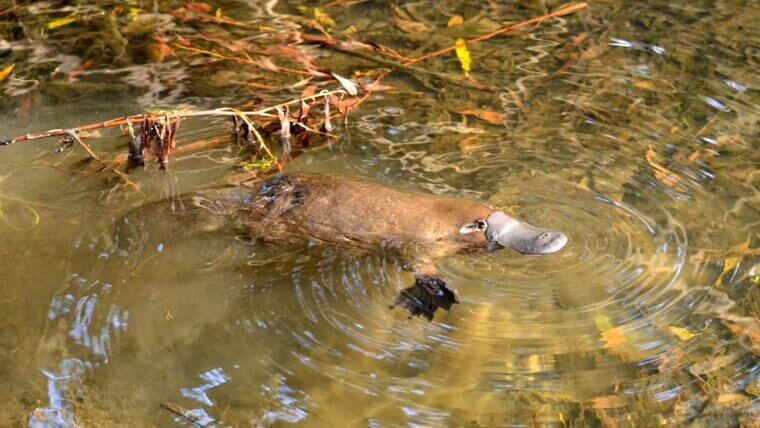
They rely on their intestines and specialized gut microbes to handle all the heavy lifting of digestion.
Sharks Have Been Around Longer Than Trees
When we think of "ancient" things, we think of giant redwoods or lush forests, but sharks have them beat by millions of years. The earliest evidence of shark scales dates back about 450 million years. To put that in perspective, the first "true" trees didn't appear on Earth until roughly 350 million years ago. Sharks have survived four out of the five "big" mass extinction events, outlasting the dinosaurs and witnessing the rise and fall of countless species.
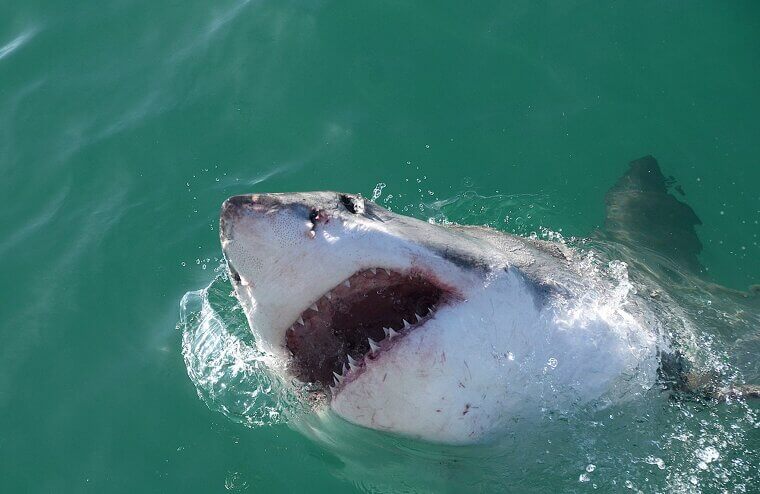
They are truly the "old guard" of the planet, possessing a biological design that has remained largely perfected for eons.
Koalas Have Human-Like Fingerprints
If a koala were to commit a crime, they might be able to frame a human for it. Koalas are one of the few non-primates to have "dermal ridges" on their fingers—otherwise known as fingerprints. What is truly bizarre is that koala fingerprints are so similar to human ones that even under a sophisticated microscope, it is reportedly very difficult to tell them apart. Scientists are still debating why koalas evolved this trait.
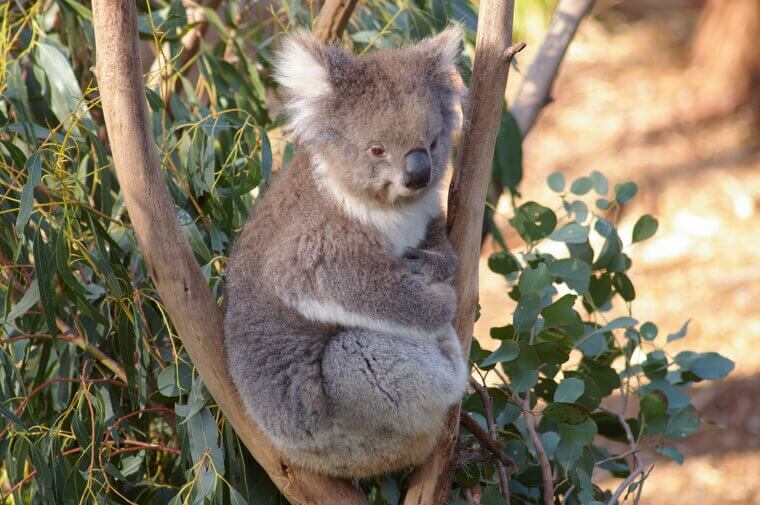
But many believe the ridges help the koala "feel" the texture of eucalyptus leaves or provide a better grip as they climb trees.
A Blue Whale’s Tongue Weighs as Much as an Entire Elephant
The scale of a blue whale is almost impossible to wrap the human mind around. As the largest animal to ever live on Earth, every part of it is gargantuan. Its tongue alone can weigh approximately 2.7 metric tons, which is roughly the weight of a medium-sized African elephant. Despite having such a massive tongue, a blue whale’s throat is surprisingly small—about the diameter of a large dinner plate.
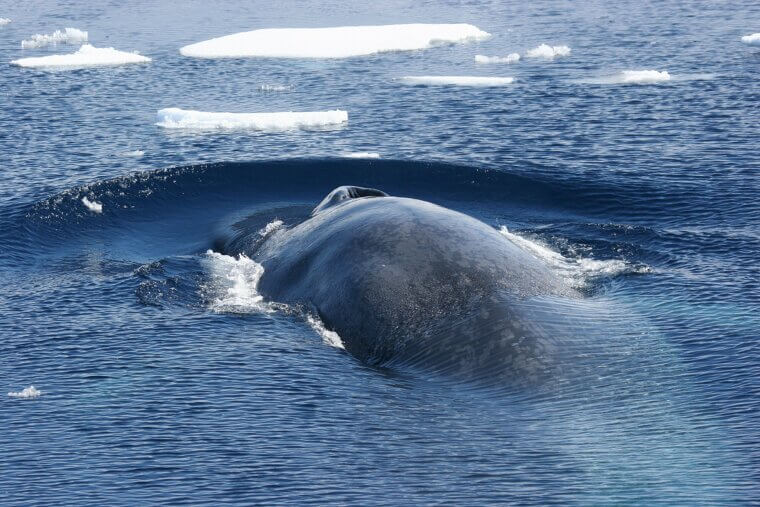
This is because they eat tiny krill, so they don't need a wide "swallow," just a massive tongue to push the water out through their baleen plates.
Polar Bear Skin Is Actually Black, Not White
While they look like snowy-white giants, polar bears are actually masters of optical illusion. Their fur is not white; it is actually translucent and hollow. The "white" we see is just the fur reflecting visible light, similar to how snow looks white. Underneath all that fur, a polar bear’s skin is jet black. This black skin is a vital survival tool in the freezing Arctic, as it helps the bear absorb and retain as much heat as possible from the sun.
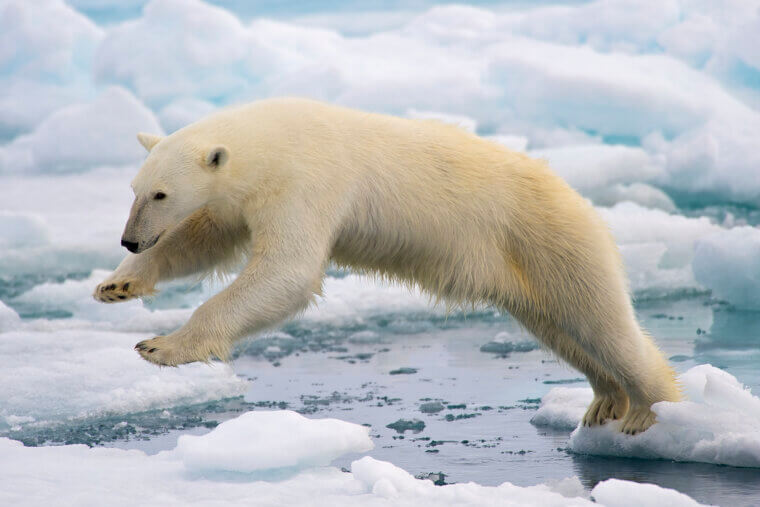
If you were to shave a polar bear (which is not recommended), you would find a very dark animal underneath.
Pigs Cannot Look Up at the Sky
The phrase "when pigs fly" is extra funny when you realize that pigs can't even look up to see if a bird is flying by. Because of the anatomy of their neck muscles and the way their spine is connected to their skull, a pig cannot physically tilt its head backward far enough to see the sky while standing. To see what’s happening above them, a pig has to lie down or sit back on its haunches to change the angle of its body.
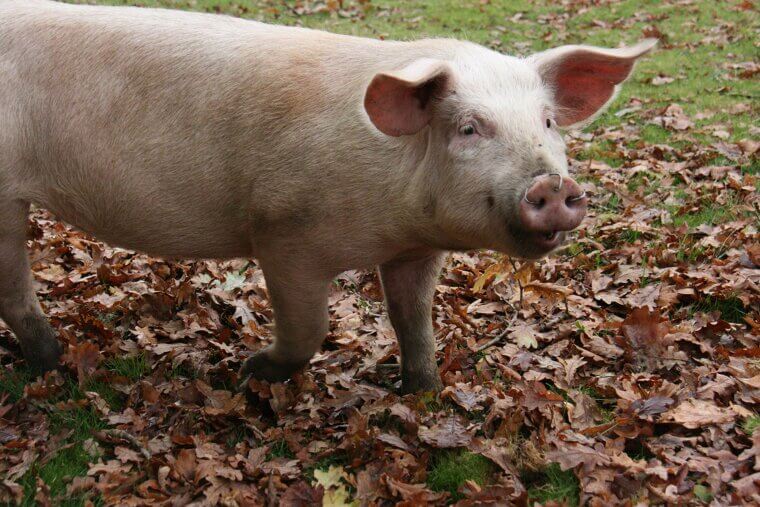
It’s a strange biological limitation for an animal that is otherwise quite clever and resourceful.
Some Turtles Can Breathe Through Their Butts
In one of the most "unique" respiratory adaptations in nature, several species of turtles are capable of "cloacal respiration." Essentially, they can absorb oxygen from the water through their hindquarters. This is particularly useful during the winter when turtles hibernate underwater beneath a layer of ice. They can't come up for air, so they pump water through their cloaca, where specialized tissues lined with blood vessels extract the oxygen they need to survive until the spring.
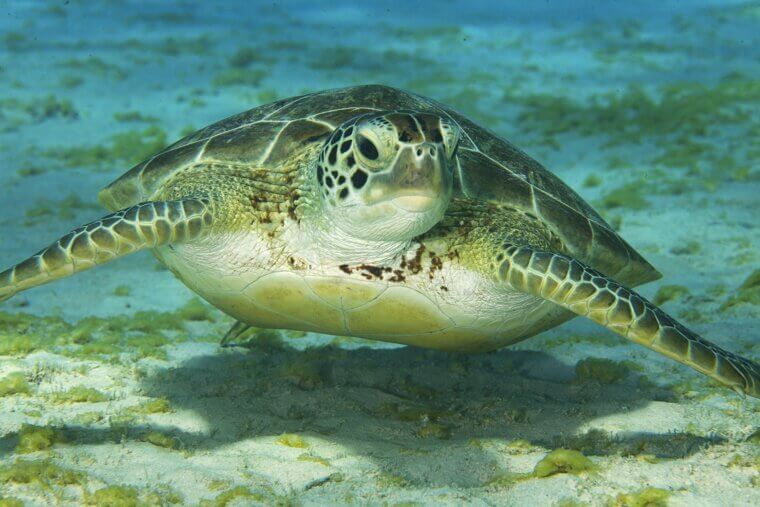
It is a highly efficient way to "breathe" without ever having to use your lungs.
A Housefly Hums in the Key of F
If you’ve ever been annoyed by the buzzing of a fly, you might be interested to know that they are actually quite musical—in their own way. When a common housefly beats its wings, it creates a vibration that consistently produces a sound in the key of F. Specifically, they beat their wings about 200 times per second, which corresponds to the frequency of that musical note.
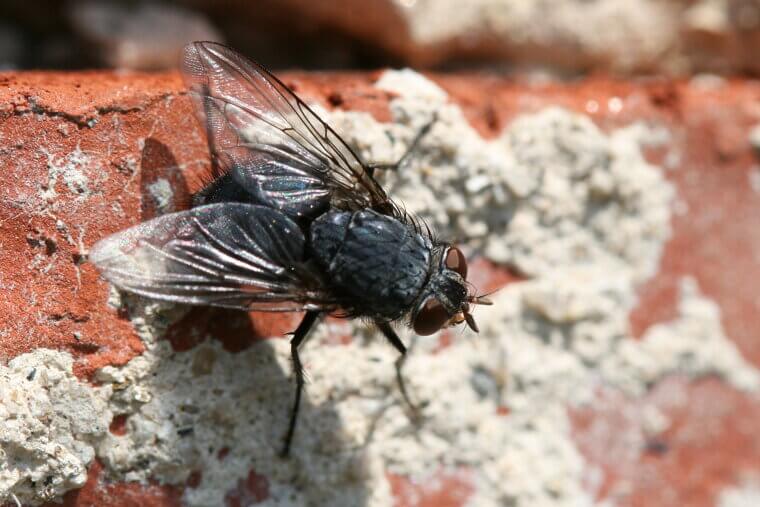
While it’s unlikely you’ll be starting an orchestra with them, it is a strangely consistent biological fact that regardless of where they are in the world, houseflies stay "on pitch."
Giraffes Have the Same Number of Neck Bones as Humans
You would think a creature with a six-foot-long neck would have dozens of vertebrae to keep it upright, but that isn't the case. Both humans and giraffes have exactly seven cervical (neck) vertebrae. The only difference is the size. While a human neck bone is quite small, a single giraffe neck bone can be over ten inches long. This biological "rule of seven" applies to almost all mammals, from the tiny shrew to the massive whale.
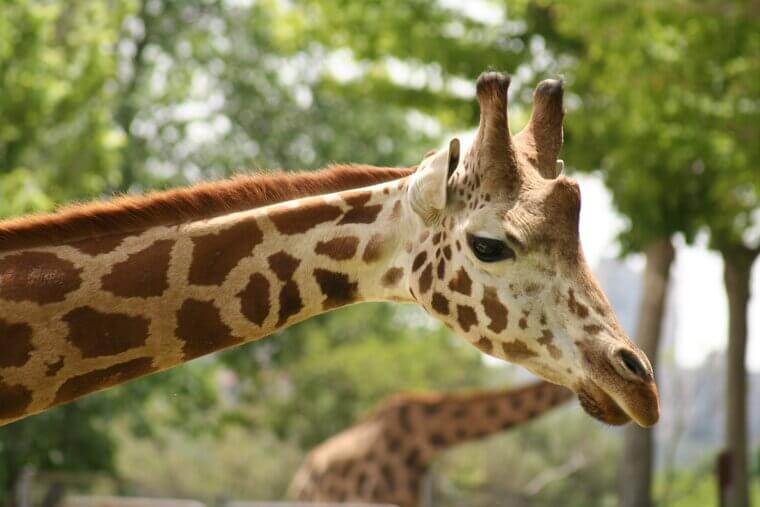
The giraffe just took those seven blocks and stretched them out to reach the highest leaves in the trees.
Sea Otters Hold Hands While They Sleep
In one of the most heartwarming biological behaviors in the ocean, sea otters often link paws while they are napping in the water. This behavior is known as "rafting." Because they sleep floating on their backs, the current can easily carry them away from their group or into the open sea. By holding hands, they ensure they stay together in a large group. Sometimes, they will also wrap themselves in giant kelp to act as an "anchor."
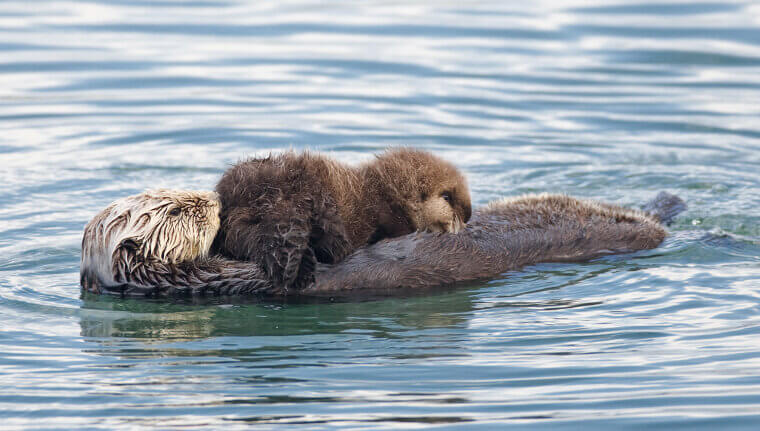
It is a practical survival tactic that also happens to be incredibly adorable to witness.
The Heart of a Hummingbird Beats 1,200 Times Per Minute
The hummingbird lives life in the fast lane. To power their incredible wing speed—up to 80 beats per second—their internal organs have to work at a fever pitch. A hummingbird's heart beats about 1,200 times every minute while they are active. To put that in perspective, a healthy human heart beats about 60 to 100 times per minute. Because they burn energy so quickly, they have to consume more than their body weight in nectar every day.
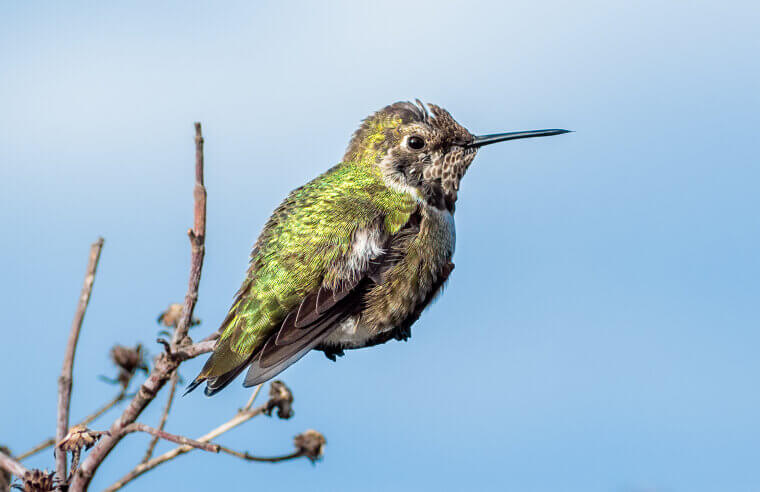
To keep from starving to death while they sleep, they enter a state called "torpor" where their heart rate drops significantly.
Rats Can Actually Laugh When They Are Tickled
If you tickle a rat, you won't hear a belly laugh, but they are definitely giggling. Rats emit high-frequency ultrasonic chirps when they are played with or tickled. These sounds are far above the range of human hearing, but when recorded and slowed down, they sound remarkably like human laughter. Research has shown that rats have "ticklish" spots, particularly on their bellies and necks. They will even chase a researcher's hand to get more "tickles."
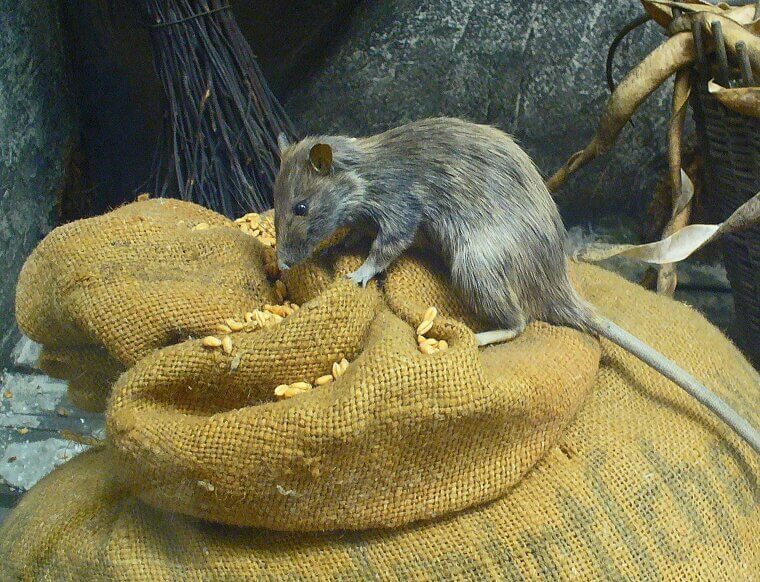
This suggests that they find the sensation pleasurable and social, much like humans and chimpanzees do.
Cows Don't Have Any Upper Front Teeth
If you ever get an up-close look at a cow's "smile," you might notice something missing. Cows do not have upper incisors or canines. Instead, they have a thick, leathery layer of tissue called a "dental pad." To eat, they use their bottom teeth to press grass against this tough pad and then use their tongues to pull the food into their mouths. They don't really "bite" grass so much as they tear it.
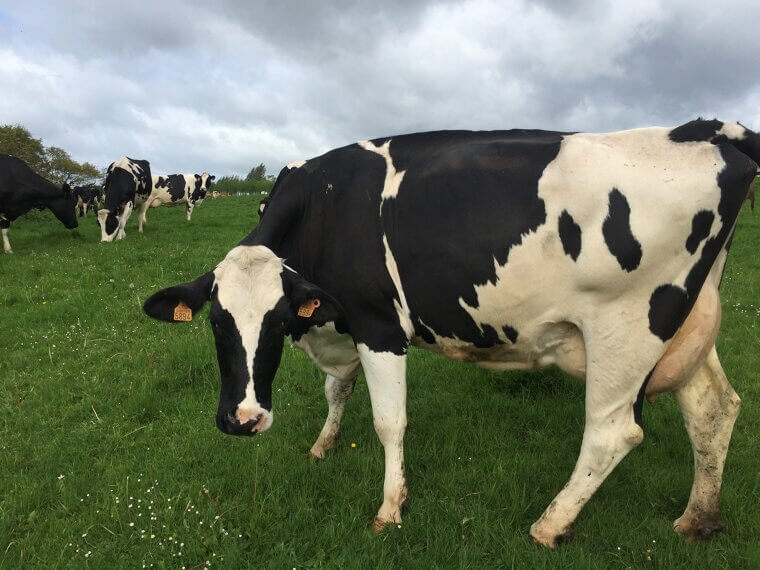
They do, however, have plenty of molars in the back of their mouths to help them grind down all that tough plant material.
A Jellyfish Is 95% Water and Has No Brain
A jellyfish is one of the most successful organisms on the planet, despite lacking almost everything we consider essential for life. They have no brain, no heart, no lungs, and no bones. They are composed of about 95% water. Instead of a central nervous system, they have a "nerve net" that allows them to sense light, odor, and touch. They are essentially beautiful, floating bags of jelly that rely on the ocean currents and basic reflexes to survive.
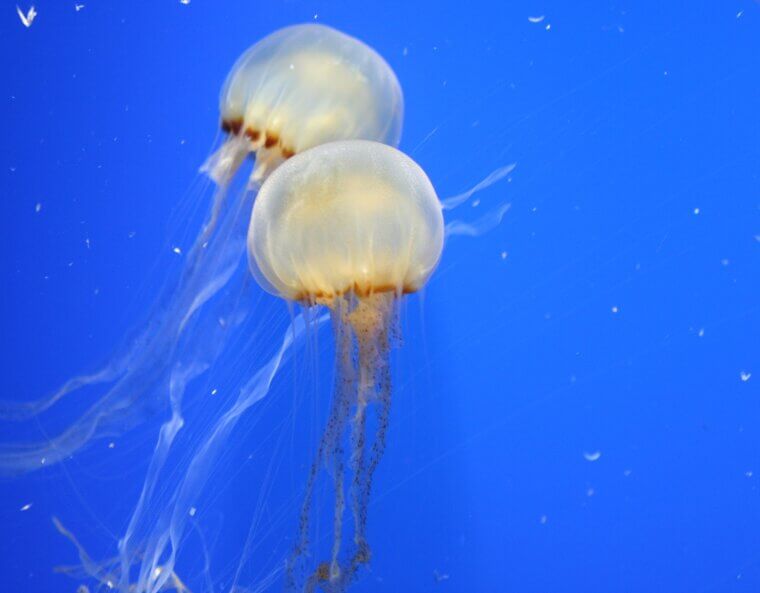
Some species have been around for over 500 million years, proving that you don't need a brain to be a survivor.
Axolotls Can Regrow Their Own Brains and Hearts
The axolotl, a unique type of salamander from Mexico, is the "superhero" of the medical world. Most animals can regrow a bit of skin or maybe a tail, but the axolotl can regenerate entire limbs, spinal cords, and even parts of its heart and brain without any scarring. This incredible ability is being studied by scientists in the hopes of one day applying those "regenerative instructions" to human medicine.
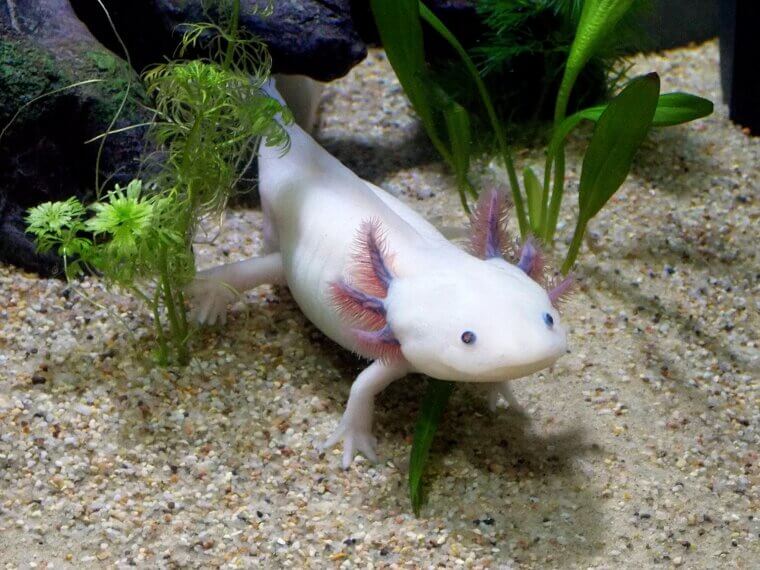
The axolotl stays in its larval form its entire life, which is reportedly one of the reasons its cells remain so flexible and capable of rebuilding complex structures.
Goldfish Have a Memory Span Longer Than Three Seconds
There is a common myth that goldfish have a three-second memory, but science has thoroughly debunked this. Goldfish are actually quite intelligent for their size. Studies have shown they can remember things for months, can be trained to recognize colors and sounds, and can even navigate mazes. Some owners have even taught their goldfish to play "soccer" or swim through hoops. They can also recognize their owners and may even show "excitement."
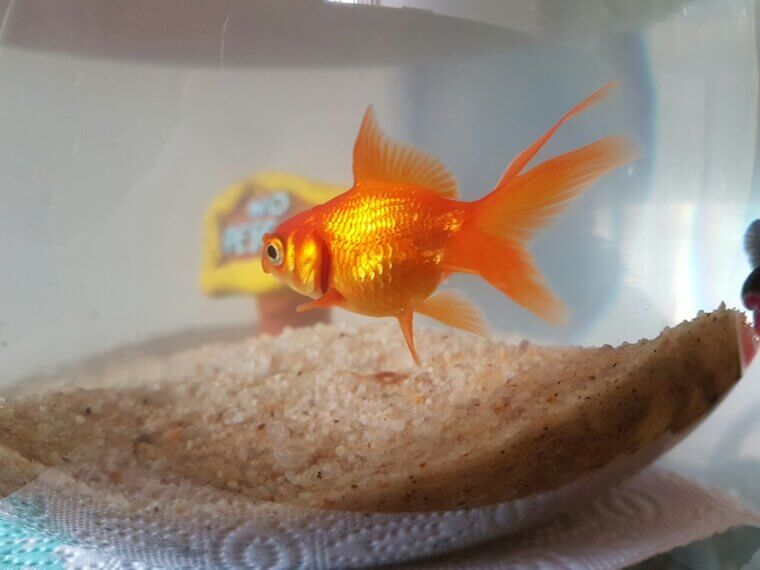
This emotion is shown by them wimming to the front of the glass when a familiar person approaches the tank, proving they have a much better memory than we give them credit for.
Migrating Birds Can "See" the Earth's Magnetic Field
For a long time, we wondered how birds navigate thousands of miles with such precision. It turns out they might have a "heads-up display" built into their vision. Research suggests that certain birds have a protein in their eyes called cryptochrome, which is sensitive to the Earth's magnetic field. This reportedly allows them to "see" the magnetic lines of the planet as a subtle overlay on their vision, acting like a natural compass.
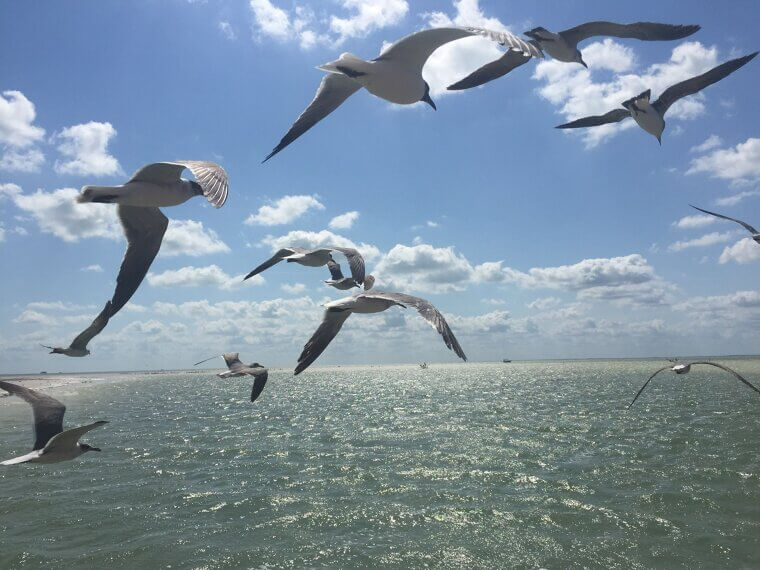
This biological "quantum" sense helps them find their way across oceans and continents without ever getting lost or needing a map.
The Total Weight of All Ants on Earth Equals the Weight of All Humans
It is hard to imagine just how many ants there are, but if you put every ant on Earth on one side of a giant scale and every human on the other, the scale would be roughly balanced. There are an estimated 20 quadrillion ants on the planet. While a single ant weighs almost nothing, their sheer numbers are staggering.
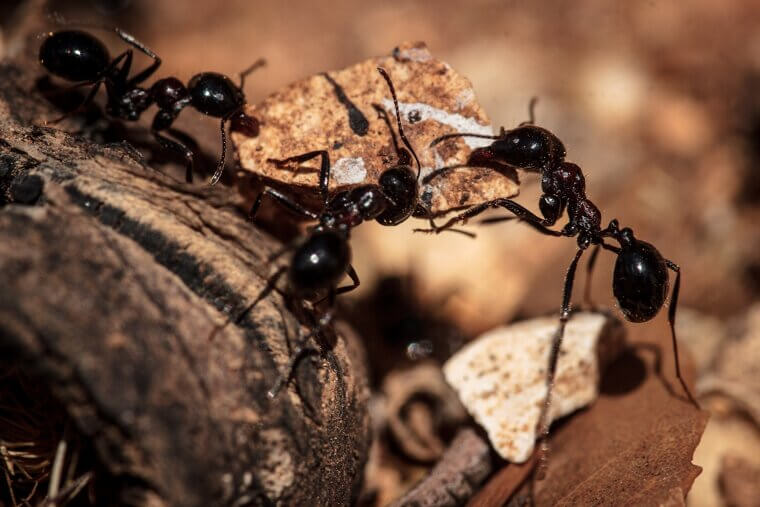
In many ecosystems, ants make up a larger percentage of the "biomass" (the weight of living things) than all the mammals combined. They are the tiny, invisible army that keeps the world’s soil healthy and moving.
Starfish Can Turn Their Stomachs Inside Out to Eat
Eating is a very "external" process for a starfish. When a starfish finds a tasty clam or mussel, it uses its tube feet to pry the shell open just a tiny bit. Then, it pushes its own stomach out through its mouth and slides it inside the prey's shell. The stomach then secretes enzymes to digest the animal while it is still inside its own shell. Once the meal is turned into a "soup," the starfish slurps its stomach back into its body.
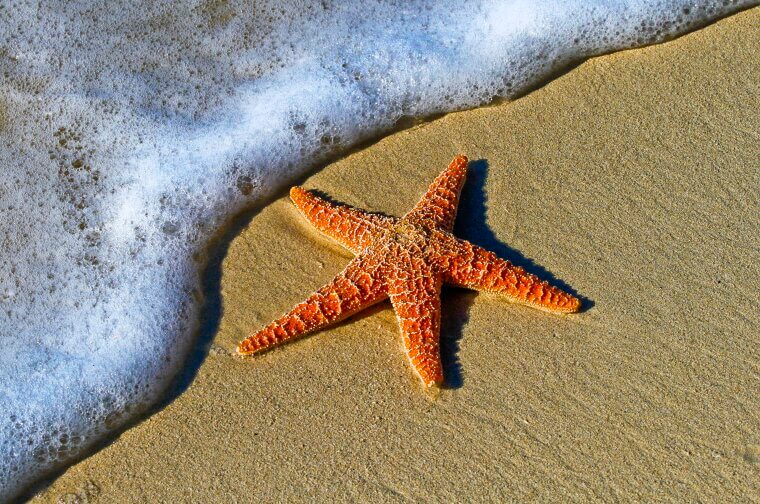
It’s an effective, if slightly gruesome, way to eat things that are much larger than their tiny mouths.
Mountain Goats Aren't Actually Goats
Despite the name, the mountain goat is not a member of the genus Capra, which includes all true goats. They are actually "goat-antelopes" and are more closely related to gazelles and cattle. They have several biological adaptations that make them the ultimate climbers, including specialized hooves with a hard outer shell and a rubbery "traction pad" in the center that acts like a climbing shoe.
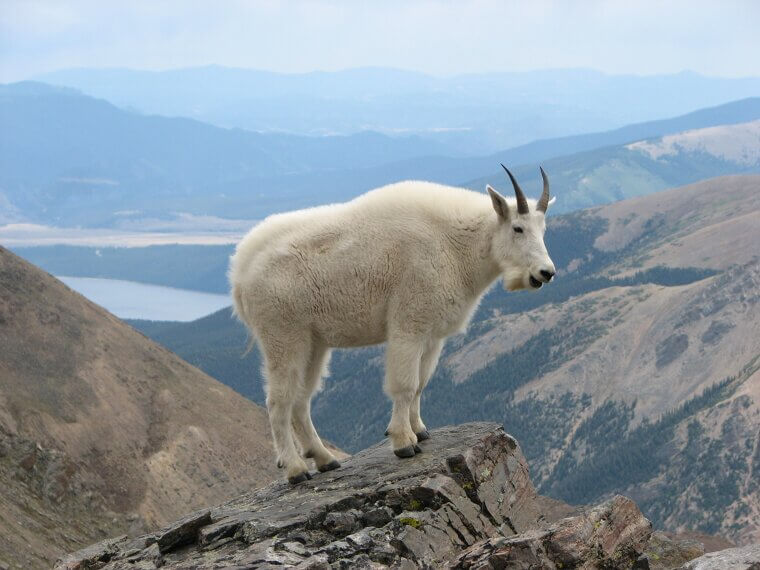
These "non-goats" can scale nearly vertical cliffs that would be impossible for almost any other mammal, living their entire lives on the edge of the world's highest peaks.